
Fainting Couch: What It Is, Real History, Myths and How to Use One Today
A fainting couch is a long, narrow couch with a raised end, made for reclining with the legs up. It was popular as a revival style in the 19th century. The common story that women used it to faint in tight corsets is a myth. Today it’s a decorative statement piece, and sizes vary, with no standard measurement.
This article is part of our sofa and couch buying guide, where you can compare related options.
The fainting couch has a dramatic name and a bit of a reputation. It shows up in period films, boutique hotels and modern living rooms. But what is it really, how old is the name and does it make sense in a modern home?
This guide explains the shape and history, clears up the myth, covers sizes and shows how to use one today. The dealer and appraisal pages were weak, so I treat the dating claims carefully. I found no standard size or comfort test.

What is a fainting couch?
It’s a couch with a back raised at one end. One source describes it as a modern term for a couch whose back is traditionally raised at one end. Another says it has a backrest at one end and a raised headrest at the other, meant for reclining with legs elevated. Wikipedia has an article on the style. The shape is similar to a chaise lounge, and Chairish publishes a comparison of fainting couches and chaise lounges.
Where does the name come from?
The name is newer than the furniture. Wikipedia says the term isn’t documented until the 20th century. A dealer’s appraisal says it’s a modern label for what are generally called recamiers, recliners or chaise longues. So an antique fainting couch was probably called something else when it was made.
Is the corset story true?
No. The common story that fainting couches were for women whose tight corsets made them faint is only a myth, according to the sources. The style was popular in the 19th century as a revival of ancient furniture styles. Apartment Therapy covers the history and the comeback.
How big is a fainting couch?
There’s no standard size. Antique examples vary. One Regency-era piece is about 84.5 inches wide, 36 inches high and 27.5 inches deep, and a circa 1900 Dutch marquetry example is about 69 inches wide. Some modern makers offer custom sizes. Measure your room, and check the listing for the exact width, depth and seat height. Our small sofa and sofa with chaise guides explain how to measure and tape out a footprint.
Is a fainting couch comfortable?
It depends on the cushion and the shape. A raised end supports the back or head, and the long seat lets you stretch out. I found no comfort testing. Antique pieces may have old springs and stuffing, so sit on one before you buy. Modern versions often use foam and modern webbing, which can be more comfortable.
How do I use one in a modern home?
Designers treat it as a decorative statement piece. One article says it has endured as a symbol of self-care. Fainting couches are still in production in many designs. Put one at the foot of a bed, in a bay window, in a reading corner or in an entry hall. It works as an accent more than as main seating. Our velvet couch and curved couch guides discuss fabrics and shapes that suit it.
What should I check when buying?
Check the frame, the springs and the upholstery. For antiques, look for woodworm, loose joints and old repairs, and ask about restoration. For new pieces, check the frame material, the cushion fill and the return policy. Dealer prices vary widely, and I found no reliable price guide, so compare several sellers.
What is the difference between a fainting couch and a chaise lounge?
They’re close relatives. Both are long seats for reclining. Chairish’s comparison notes that the terms overlap, and a dealer’s appraisal says “fainting couch” is a modern label for what were called recamiers, recliners or chaise longues. In practice, a fainting couch usually has a raised head end and a lower or open foot end, while a chaise lounge may have a high back and a long seat. Shops use the names loosely, so read the listing’s photos and dimensions.
If you want a piece that doubles as a sofa end, our sofa with chaise guide covers sectional-style chaise seats. If you want a free-standing accent, a fainting couch fits.
How do I care for an antique fainting couch?
Antique pieces need extra care. Keep them out of direct sun and away from heaters, since old wood and fabric dry out. Dust gently, and use a soft brush on delicate upholstery. Avoid water or strong cleaners on old fabric. For valuable pieces, ask a professional upholsterer or conservator for advice. Dealer pages like Mearto and 1stDibs list pieces with their condition, which helps you see how old pieces age. Prices vary widely and I found no reliable price guide, so compare sellers and ask for photos.
What fabrics and colors suit a fainting couch?
Velvet is a favorite for its rich, theatrical look, and tufting adds drama. Linen, boucle and leather give different moods. Jewel tones like emerald or deep blue make a bold statement, and soft pastels feel romantic. Neutral colors blend into modern rooms. Our velvet couch and green sofa guides cover fabric care and color. Pick a fabric that matches how you’ll use the piece, since a decorative couch rarely sees heavy wear.
How do I choose a fainting couch?
Decide whether you want an antique or a new piece. Measure the space and the doorways, because these couches are long. Check the frame, the springs and the upholstery. Sit on it to test the comfort. Compare dealers and read condition reports for antiques. Finally, plan where it will go, since it works best as an accent with room around it.
Frequently Asked Questions
What is a fainting couch?
A long, narrow couch with a raised end, designed for reclining.
Was it used for fainting?
The corset-fainting story is a myth, according to the sources.
How big is it?
There’s no standard. One antique is about 84.5 inches wide, and another about 69 inches.
Is it the same as a chaise lounge?
They’re similar. Chairish compares the two.
Is it practical today?
It works as an accent piece more than as main seating.
Conclusion
A fainting couch is a graceful, dramatic piece with a surprising history. The corset story is a myth, the name is newer than the furniture and sizes vary. Use it as an accent seat in a bedroom, reading corner or hall.
Measure the space and test the comfort before you buy, especially for antiques. A well-chosen fainting couch makes a room feel special.
Related guides
 Deep Couch: Seat Depth (23-27+ Inches), Who It Suits and How to ChooseA deep couch has a seat that measures about 23 inches or more from front to back. One retailer guide puts…Read more →
 Curved Couch Guide: Sizing for Small Rooms, Placement, Pros, Cons and What to MeasureQuick answer: a curved couch has a bowed back and front that soften a room and invite conversation. A 2-seater…Read more →
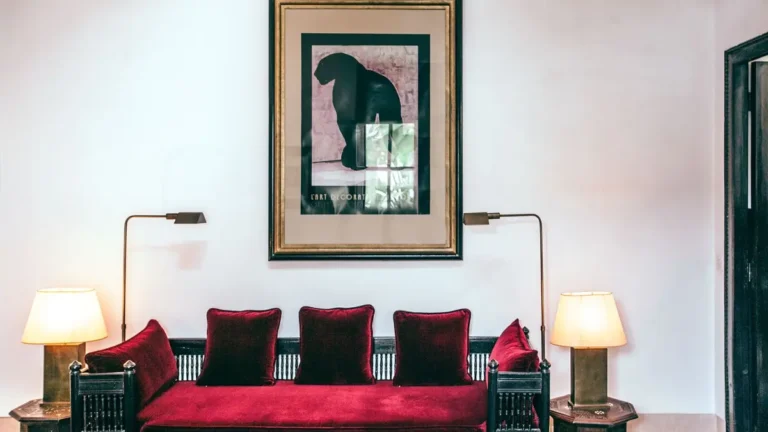 Velvet Couch Guide: Cleaning Codes (W, S, SW, X), Performance Velvet, Pets, Crushing and CareQuick answer: look at the cleaning code on your velvet couch s tag: W means water-based cleaning, S means dry…Read more →
 Couch Table Guide: Sofa Table Height, Width, Depth and Walkway SpaceWhen people search for a couch table, they often mean one of two things: a narrow table that sits behind the…Read more →



4 Comments