Weighted Blanket: How Heavy It Should Be, Safety and Buying Tips
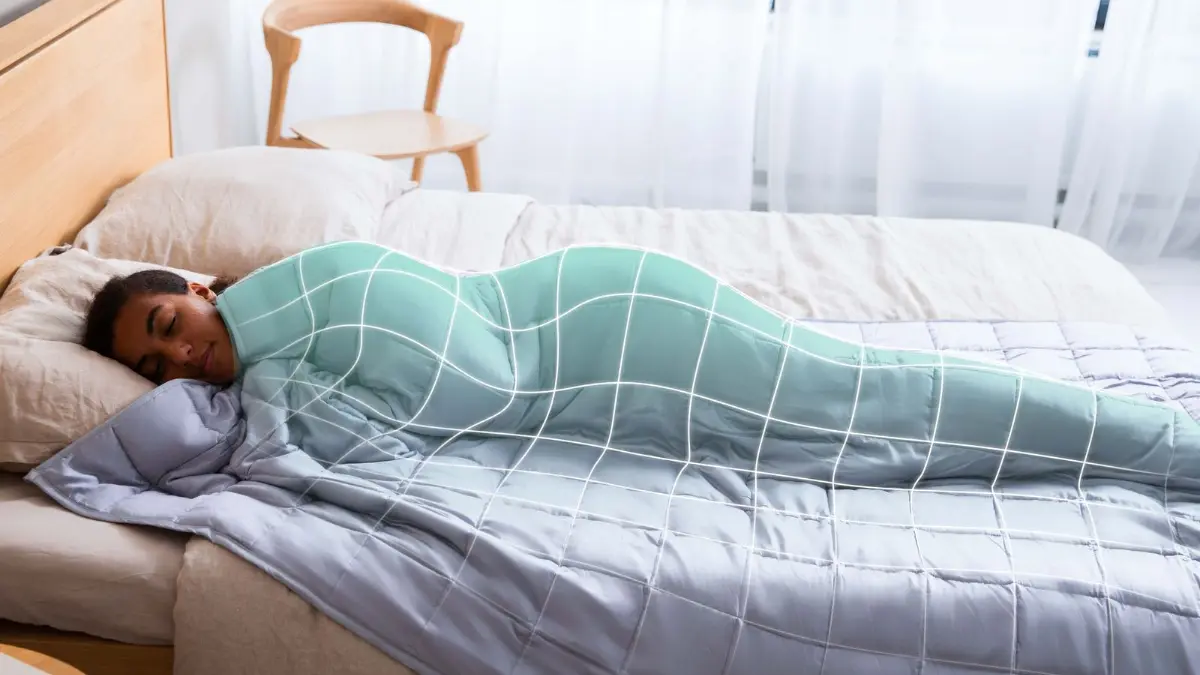
A weighted blanket feels like a long, gentle hug. It’s heavier than a normal blanket, with small pockets of glass beads, plastic pellets or similar fill sewn into the fabric. Many people use one to feel calm and cozy at bedtime or during the day on the couch.
This article is part of our bedding guide, where you can compare related options.
A weighted blanket is a blanket filled with extra weight spread evenly across its surface. The weight puts light, steady pressure on your body. People use them for sleep, for relaxation and sometimes to ease stress. Research on the health claims is still ongoing, so think of the blanket as a comfort item and not a treatment.
This guide explains how to choose the right weight, who should be careful, how to choose a fabric if you sleep hot and how to care for your blanket. You’ll also find a quick weight chart and answers to common questions.
How Heavy Should a Weighted Blanket Be?
The usual rule is about 10 percent of your body weight. The range runs from about 5 to 12 percent, and most people prefer something close to 10 percent. Some guides suggest adding a pound or two to that number if you like more pressure, or going a bit lighter if you feel restricted.
| Body weight | About 10% | Common blanket sizes to look at |
|---|---|---|
| 100 lb | 10 lb | 10 lb |
| 130 lb | 13 lb | 12-15 lb |
| 160 lb | 16 lb | 15-17 lb |
| 190 lb | 19 lb | 18-20 lb |
| 220 lb | 22 lb | 20-25 lb |
Blankets come in set weights, so pick the closest one. If you’re between two weights, many people go with the lighter one. A blanket that feels too heavy can be uncomfortable and tiring to move. If two people share a blanket, base the weight on the combined body weight, though many couples prefer two separate blankets.
Who Should Be Careful with Weighted Blankets?
Weighted blankets aren’t right for everyone.
Young children: guides differ on details. One source says a weighted blanket is generally fine for children aged 3 and older who weigh at least 50 pounds. Younger or lighter children may not be able to push it off. Another advises staying under 10 percent and rounding down for kids. A blanket should never cover a child’s face, and only children who can move it off on their own should use one. Talk to a pediatrician first. People with breathing problems: the Sleep Foundation warns that a blanket that’s too heavy can restrict airflow and make breathing harder. People with limited mobility: if you can’t easily move the blanket off, it may not be safe. People with certain health conditions: if you have a heart, lung or circulation condition, or you’re pregnant, ask your doctor before you use one.
Studies on sleep benefits are mixed. In one study cited by the Sleep Foundation, the blankets did not help participants fall asleep or stay asleep, although participants found them comfortable. So if you try one, treat it as a comfort test and see how you feel.
How to Choose a Weighted Blanket
Pick the weight. Start with about 10 percent of your body weight. Pick the size. Many people choose a blanket that fits their body, not the whole bed. A smaller size is easier to move and wash. Choose the fill. Glass beads are small and quiet, and they spread evenly. Plastic pellets are common in budget models. Check that the pockets are small so the weight stays even. Check the stitching. Look for tight, even stitching with small squares, so the fill doesn’t shift to one side. Pick the fabric. This matters most for temperature. Check the cover. Some blankets have a removable cover, which makes washing easier. Read the care label. Make sure you can clean it in a way that suits your home. Look at the return policy. A trial period helps if the weight isn’t right.
Weighted Blankets for Hot Sleepers
The extra layer can trap heat. If you tend to feel warm at night, look for breathable fabrics. Cotton, bamboo-style fabrics and other light, airy materials usually feel cooler than thick fleece or minky fabrics. Some blankets are labeled as cooling, but those claims vary, so check reviews from people who sleep hot.
Other tips can help. Lower the room temperature, use a lighter sheet underneath and choose a smaller blanket that covers only part of your body. If a blanket feels too warm or disrupts your sleep, switch to a more breathable fabric.
Weighted Blanket Fabrics
| Fabric | Feel | Best for |
|---|---|---|
| Cotton | Breathable, soft | Hot sleepers, all-year use |
| Bamboo-style fabric | Smooth, light | Warm sleepers |
| Minky or fleece | Plush, warm | Cold sleepers, winter |
| Linen | Light, airy | Warm climates |
| Microfiber | Soft, low cost | Budget buyers |
How to Care for a Weighted Blanket
Always check the care label first, since methods differ. A blanket with a removable cover is easiest to care for. You can wash the cover often and clean the inner blanket only now and then.
For the main blanket, heavy models can be too much for a home washer. Many people use a large-capacity machine at a laundromat. Some blankets are spot clean only. Use a gentle cycle and mild detergent if the label allows machine washing. Air dry flat if the label says to, since heavy blankets can stretch seams when they hang. Avoid bleach and high heat unless the label allows it.
To keep the fill even, shake the blanket gently after washing and lay it flat. Store it folded or rolled in a clean, dry place.
How to Use a Weighted Blanket
Place it over your body from your chest to your feet, and keep it away from your face and neck. You can use it on the couch, in bed or on a chair. Start with short sessions, like 20 to 30 minutes, to see how it feels. If you want to use it all night, make sure it doesn’t make you too warm or uncomfortable.
Don’t use it as a substitute for medical care. If you’re using it to help with anxiety, sleep problems or sensory needs, talk to a health professional about what else might help.
Common Weighted Blanket Mistakes
Buying one that’s too heavy: heavier isn’t always better. If you feel trapped, try a lighter weight. Ignoring temperature: pick a fabric that suits your climate and how warm you sleep. Choosing a blanket that’s too big: a huge blanket can be hard to move and wash. Using it for a young child without checking: safety guidance for children is more careful. Washing it the wrong way: wrong heat or spin cycles can damage the stitching or the fill.
Frequently Asked Questions
How heavy should a weighted blanket be?
About 10 percent of your body weight is the common guide. Some people choose between 5 and 12 percent, based on comfort. If you’re not sure, pick the lighter option.
Are weighted blankets safe?
They’re safe for many healthy adults. They aren’t suitable for everyone. Be careful with young children, people with breathing issues or limited mobility, and anyone with a health condition. Ask a doctor if you’re unsure.
Can children use weighted blankets?
Children aged 3 and older who weigh at least 50 pounds may use them, with the blanket kept away from the face and under 10 percent of body weight. Talk to a pediatrician first.
Do weighted blankets make you hot?
They can, since they add a layer. Choose a breathable fabric like cotton, and use a lighter sheet if you sleep warm.
Do weighted blankets help you sleep?
Some people find them calming. Research results are mixed. In one study, participants found the blankets comfortable, but the blankets didn’t help them fall asleep or stay asleep.
Can I wash a weighted blanket?
Often yes, but check the care label. A removable cover makes washing easier. Heavy blankets may need a large machine or spot cleaning.
Conclusion
A weighted blanket can be a comfortable, cozy addition to your bedroom. Choose a weight near 10 percent of your body weight, pick a breathable fabric if you sleep warm and check the safety guidance for children and for people with health concerns.
Read the care label before you wash it, and give yourself time to see how it feels. If it helps you relax, great. If not, a lighter option or a regular blanket may be a better fit.
Related guides
 Blanket Ladder: Sizes, Safety, Materials and Styling IdeasA blanket ladder turns a stack of throws into decor. It s a slim ladder that leans against the wall, with rungs…Read more →
 Fleece Blanket: Microfleece vs Polar Fleece vs Sherpa, Washing and How to Stop PillingA fleece blanket is a soft synthetic blanket with a fuzzy surface. Microfleece is lightweight and compact,…Read more →
 Comfort Blanket Guide: Weighted vs Sherpa Throws, Weight Rule (8 to 12 Percent), Fillings and CareQuick answer: a comfort blanket is a soft or weighted blanket you use for coziness. Weighted blankets offer…Read more →
 Kids Couch Guide: Safety, Foam Density, Washable Covers, Sizes and Modular Play CouchesQuick answer: a good kids couch has rounded edges, non-toxic high-density foam, a washable removable cover and…Read more →