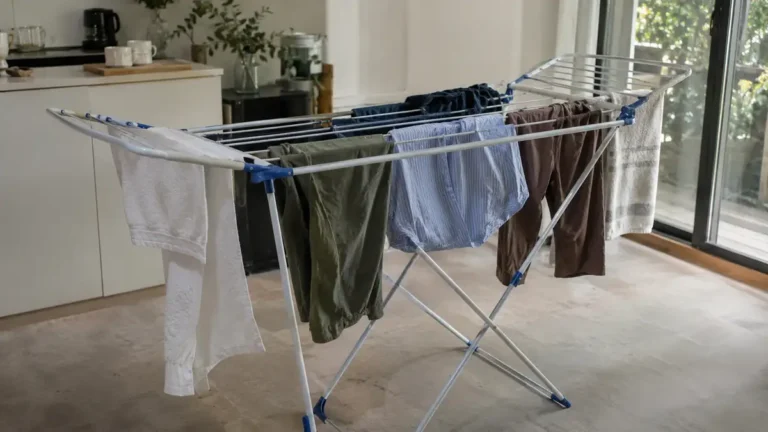
Laundry Hamper Guide: Sizes, Materials, Lids and How to Choose
A laundry hamper looks like a simple purchase, but the wrong one becomes a daily annoyance. A basket that is too small overflows by Wednesday, one that is too heavy is hard to carry to the machine, and one with weak handles tears the first time you lift a full load. A little planning makes the choice easy.
A laundry hamper is a container where dirty clothes wait until wash day. Hampers range from a single fabric bag to a three-section sorter on wheels. The best one fits your space, matches how much you wash and makes it easy to move clothes from the bedroom to the machine.
This guide explains how to size a hamper, which materials work best, whether a lid is worth it and how to choose between single, divided and rolling styles. You will also find tips on placement, odor control and the mistakes that lead people to replace their hamper within a year.
How big should a laundry hamper be?
Size depends on how many people use it and how often you wash. A common guide is to match the hamper to the amount of laundry you create between washes. One person who washes once a week usually needs about 60 to 70 liters. A couple often needs 90 to 120 liters, and a family of four or more may want 150 liters or two separate hampers.
Volume numbers can be hard to picture, so think in loads. A typical washing machine load is about 4 to 6 kilograms of clothes, which fills roughly 60 to 80 liters of loose laundry. If your hamper holds about one load, you can empty it straight into the machine. If you wash twice a week, a smaller hamper is fine. If you wash every two weeks, choose a larger one or accept that clothes will pile up beside it.
Check the footprint too. A tall, narrow hamper suits a tight corner, while a wide, short one tucks under a shelf. Measure the space first, and leave a few inches so you can lift the hamper out without scraping the wall.
Which material works best?
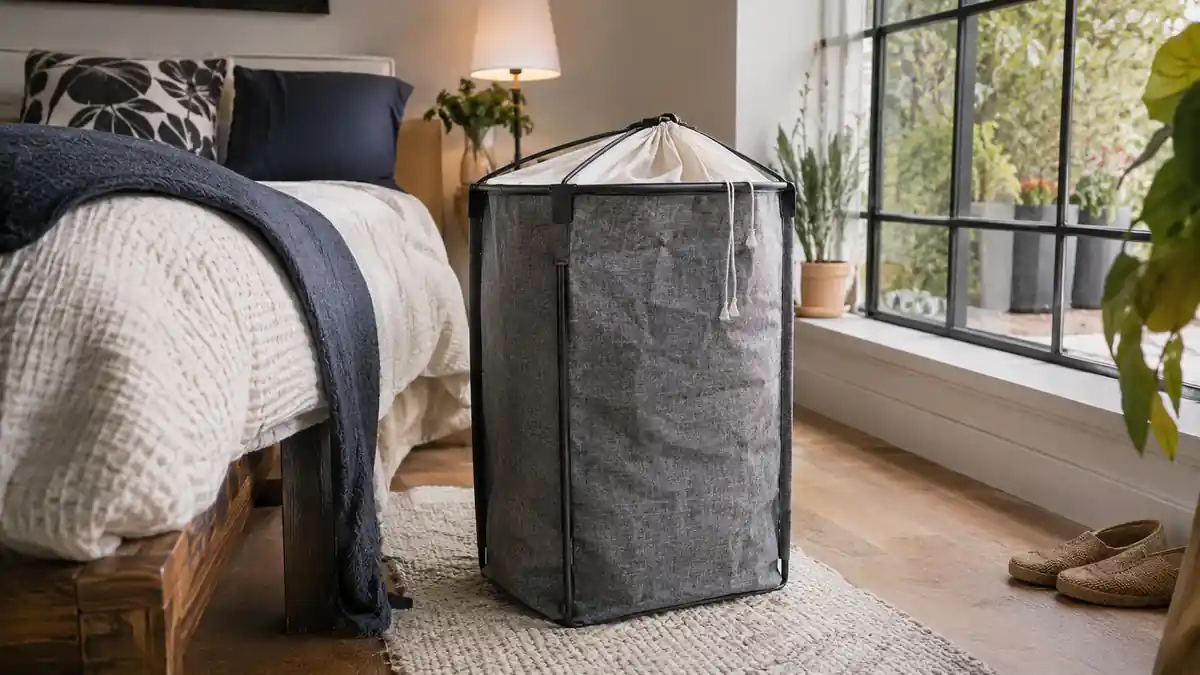
Fabric hampers are light, collapsible and inexpensive. Canvas and polyester versions often have a metal or plastic frame and fold flat for storage. They are comfortable to carry, but cheap ones can stain, sag or lose their shape when wet clothes are inside.
Plastic hampers are easy to wipe clean and hold their shape. Some have ventilation holes so clothes can breathe. They can crack in cold or after years of use, and they can feel plain, but they are a practical choice for a bathroom or laundry room where humidity is high.
Wicker, rattan and woven seagrass look warm and natural, and they suit a bedroom or bathroom that has a styled look. Natural fibers can absorb moisture and smell, so a fabric liner is a good idea. Metal and wire hampers are sturdy and breathable but may snag delicate clothes unless they have a liner. Bamboo is light and attractive, though it needs a dry spot.
Do you need a lid?
A lid hides the clutter and helps keep odors in. It also keeps dust and pet hair off the clothes, and it stops a curious cat or toddler from pulling things out. If your hamper sits in a bedroom or living space, a lid makes it look more like furniture.
The downside is that a closed container with damp clothes can smell musty. If you often put in damp towels or gym clothes, choose a hamper with a vented lid or open sides. Let wet items dry before you drop them in, or keep a separate open basket for towels.
Check how the lid works. A hinged lid stays attached but can get in the way, and a loose lid is easy to lift but can go missing. A lid with a soft close or a simple flip top is easier to use when your hands are full.
Single, divided or rolling hampers
A single hamper is simple and takes the least space. It works well if you do mixed loads or sort when you reach the machine. A divided hamper has two or three sections, usually for lights, darks and delicates or towels. It saves the sorting step on wash day, and it shows family members where each item goes.
A rolling hamper has wheels, which helps if the laundry room is far from the bedrooms or up and down stairs is not a concern but distance is. Look for locking casters and a handle that is comfortable at standing height. A hamper on wheels can be dragged across the floor to the machine, which saves your back.
Hanging bags and over-the-door hampers are good for small apartments and dorms. They use no floor space, though they hold less and need a sturdy door or hook. Choose one with a drawstring or zip closure and strong stitching.
Handles, liners and carrying comfort
Handles matter more than most people expect. Look for wide, reinforced handles that spread the weight, not thin straps that cut into your fingers. Rope or webbing handles last longer than plastic loops, and cutouts in a plastic hamper should have smooth edges.
A removable liner makes washing easier. Many fabric hampers use a liner bag that you can lift out, carry to the machine and tip in, with no need to touch the clothes. Some liners are machine washable, which keeps the hamper fresh. If the hamper has no liner, you can add a pillowcase or a large laundry bag inside.
Weigh the empty hamper. A heavy, bulky hamper becomes harder to move when full, and a lightweight one is easier to carry. Balance sturdiness with how often you will lift it.
Where should you put the hamper?
Place it where clothes come off. For most people that is the bedroom closet or the bathroom. A hamper in the closet keeps the room tidy, and one near the bathroom door catches towels and daily clothes. Choosing the spot where you naturally undress makes it more likely that clothes land in the hamper and not on the floor.
Keep it away from heat sources and direct sunlight, which can fade fabric and speed up odors. Do not block doors, drawers or vents. If the hamper is in the bathroom, choose a moisture-tolerant material, and keep it a few inches from the shower so splashes do not soak it.
In a shared home, think about a hamper for each bedroom and one in the main bathroom. Separate hampers reduce arguments about who left clothes where and make wash day faster.
How do you control odor and keep it clean?
Clothes smell worse when they stay damp. Let sweaty or wet items air dry before they go in, and shake out towels. Choose a hamper with ventilation, or leave the lid slightly ajar if you can.
Wipe plastic and metal hampers with a damp cloth and mild soap every month or two. Wash fabric liners regularly, following the label, and air out wicker in a dry spot. A small sachet of dried lavender or a few drops of essential oil on a cotton pad can freshen the air, but keep these away from direct contact with clothes, and check with household members who may be sensitive to scents.
Empty the hamper on a schedule. If it is half full on wash day, you probably need a smaller one. If it overflows halfway through the week, you either need a bigger one or a second basket.
What mistakes should you avoid?
The most common mistake is choosing by looks and ignoring volume. A beautiful basket that holds half a load will be full too soon. Another is buying a hamper with no ventilation for damp laundry, which leads to smell and mildew. A third is ignoring the carrying distance, which makes a heavy, bulky hamper a chore.
Others include buying a flimsy fabric hamper with no frame, which sags and tips, and forgetting to check lid and handle quality before you buy. Read the dimensions, the material and the care instructions. If you can, test how easily it opens, closes and lifts.
Frequently Asked Questions
What size laundry hamper do I need?
About 60 to 70 liters for one person who washes weekly, and 90 to 120 liters for a couple. Families often need 150 liters or two hampers.
Is a laundry hamper with a lid better?
A lid hides clutter and keeps odors in, but it can trap moisture. Choose a vented lid if you put in damp items.
What material is best for a laundry hamper?
Plastic is easiest to clean, fabric is lightweight and wicker looks best in living spaces. Add a liner to natural fibers.
Are divided hampers worth it?
Yes, if you sort by color or fabric. They save sorting time and show everyone where clothes go.
How often should I clean my hamper?
Wipe it every month or two and wash the liner regularly. Clean it sooner after damp or smelly items.
Conclusion
A good laundry hamper matches the amount of laundry you make, fits the space you have and makes carrying clothes easy. Pick a size based on your wash schedule, choose a material that suits the room and decide whether you want a lid, dividers or wheels.
Look for strong handles, ventilation and a liner you can wash. With the right hamper in the right spot, clothes end up where they should and wash day gets much simpler.
Related guides
 Closet Organizers Guide: Systems, Shelves, Rods and How to Plan YoursMost closets waste space. One rod, one shelf and a pile on the floor mean you use perhaps half of the room you…Read more →
 Storage Baskets and Bins Guide: Sizes, Materials, Lids and Smart UsesBaskets and bins are the most flexible organizing tools in the home. They corral toys, hide cables, hold…Read more →