
Leather Ottoman Guide: Genuine vs Faux, Top-Grain, Hybrid Labels, Storage, Tray Tops and Care
Quick answer: a leather ottoman is a padded footrest, seat or table covered in leather. Top-grain leather is durable and develops character over time, faux leather costs less and wipes clean, and many “genuine leather” ottomans use leather on the top and faux material on the sides. Read the material breakdown before you buy.
This article is part of our accent chairs, recliners and seating guide, where you can compare related options.
A leather ottoman is a classic: a coffee table, footrest and extra seat in one. It looks great in a study, a living room or at the foot of a bed. But the word “leather” in a listing can mean very different things. This guide explains genuine, top-grain, bonded and faux leather, how to read labels, sizes and tray tops, storage options, care and how to choose. See the ottoman coffee table guide for sizing rules like height and clearance, and the pouf ottoman guide for frameless poufs.
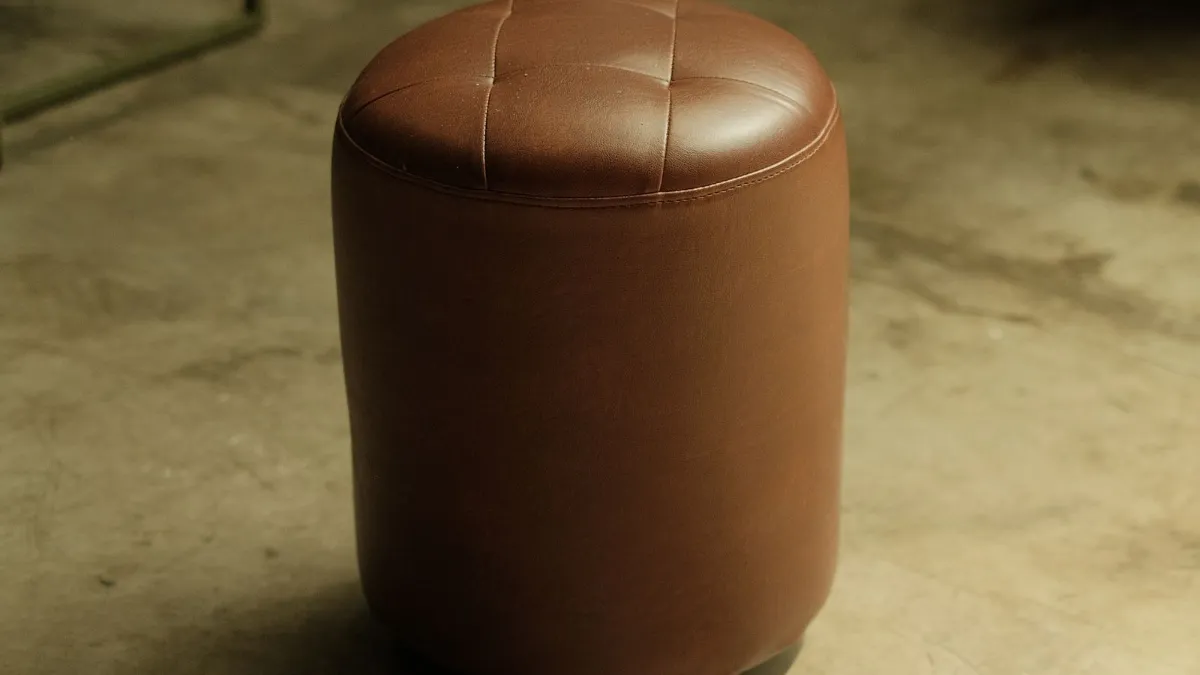
Genuine vs Faux Leather
Listings give a simple split: Top-grain leather. One listing describes top-grain leather as luxurious, saying it feels great and develops a distinct character over time without losing durability. Faux leather. Described as having a beautiful leather-like look for a fraction of the cost.
General knowledge of leather grades (not from the search): Full-grain. The strongest, with the natural surface intact. Top-grain. Sanded surface, more uniform, still durable. Genuine leather (as a grade). Lower layers, less durable. Bonded leather. Leather scraps bonded with polyurethane. Overstock lists a bonded leather tray top ottoman. It is cheaper and tends to peel earlier. Faux or PU leather. Plastic-based.
Because grade names are used loosely, ask for the exact material.
Hybrids and Mislabeling
Many “genuine leather” ottomans are mixed. A listing says genuine leather typically covers the cushion top, and skillfully matched faux leather covers the remaining areas. A buyer also reported a listing “not as advertised”: polyurethane instead of genuine leather. Check: the material breakdown for the top, sides and base; the words “leather match” or “leather and faux”; return policy; photos and reviews.
Sizes and Heights
Dimensions vary widely. Examples from listings: An Ashley faux-leather ottoman with an overall height of 17.5 inches, described as ideal for resting your feet on. A tray-top ottoman at 17.75 inches high by 24 inches wide by 24 inches deep. A faux-leather storage ottoman at 15 by 15 by 15 inches. A Joss and Main 37 inch ottoman and a 42.1 inch wide faux leather tufted rectangle storage ottoman. A Mid-century 34 inch wide tray top storage ottoman.
For coffee table use, aim for about half to two-thirds of your sofa’s length, at or slightly below seat height. See the ottoman coffee table guide and the oval coffee table guide for the full rules.
Tray Tops
A tray makes an ottoman a table. A tray review warns that spills can be a problem, so quick wiping matters. One buyer found the tray height too low for eating, and one must stoop over to eat. If you plan to eat or work at it, choose a higher ottoman or a separate table.
Storage Ottomans
Key points: flip-top lid. The cushion lifts to reveal storage; hinges. Look for soft-close or lid supports to protect fingers; inside size. Check depth and capacity; weight capacity if you sit on it; liner. Prevents leather from rubbing items.
Storage ottomans hold blankets, remotes and games. Keep heavy items low and don’t let kids climb in.
Shapes and Styles
Key points: round. Safe for toddlers, flexible; square. Compact and tufted; rectangular. Fits long sofas; tufted. Classic. See the chesterfield sofa guide for tufting and leather styling; mid-century with wood legs; cube ottoman. Small seat; bench ottoman. For the foot of a bed. See the bedroom furniture sets guide.
Care and Cleaning
The search offered little authoritative care guidance. One listing’s care note is “wipe clean with a cloth.” General habits: dust with a soft cloth; wipe spills at once; use a mild leather cleaner for genuine leather, and follow the maker’s instructions; condition genuine leather occasionally, as advised; keep out of direct sun and away from heaters; for faux leather, avoid harsh solvents; test cleaners on a hidden spot first; avoid sharp objects and pet claws.
Leather can scratch, and faux leather can peel with age. Protect it with a tray and coasters.
Safety
Key points: keep out of reach of toddlers if the lid is heavy; don’t stand on an ottoman; check weight ratings if used as a seat; keep away from open flames.
What are the main strengths and weaknesses?
On the plus side: looks rich and classic; wipes clean (faux); versatile footrest, seat and table; storage options. On the downside: labels can be confusing; leather can scratch and fade; faux can peel; genuine costs more.
Leather Ottoman vs Fabric Ottoman
| Feature | Leather | Fabric |
|---|---|---|
| Cleaning | Wipe clean | Spot clean |
| Durability | Good (top-grain) | Varies |
| Feel | Firm, cool | Soft, warm |
| Pet-friendliness | Claws can scratch | Claws can snag |
How to Choose a Leather Ottoman
Decide the use: footrest, seat, table or storage. Choose the material: top-grain, faux or hybrid. Read the material breakdown. Check dimensions and height. Decide on a tray or storage. Check weight capacity if you sit on it. Match the color with your sofa. Check care instructions. Read reviews, especially on materials. Check the return policy.
What mistakes should you avoid?
A few common mistakes are worth avoiding: assuming “leather” means full leather; choosing a tray height too low for eating; ignoring the lid hinge; buying a size too large for the room; using harsh cleaners; placing in direct sun.
Frequently Asked Questions
Is a leather ottoman real leather?
Not always. Many are mixed, with leather on top and faux on the sides. Read the material breakdown.
What is top-grain leather?
A durable leather that develops character over time, per one listing.
Is faux leather easier to clean?
Listings say it is simple to clean with a wipe.
How tall is a leather ottoman?
Examples run from 15 to about 18 inches high.
Can I eat on a tray-top ottoman?
One buyer found it too low for eating. Consider a table instead.
How do I care for leather?
Dust, wipe spills and condition as the maker advises. Keep out of sun.
Conclusion
A leather ottoman is a versatile, classic piece. Read the material details closely, choose a size and height that suits your sofa and decide whether you want storage or a tray.
Care for it with gentle cleaning and keep it away from sun and heat. Then your leather ottoman will serve as a stylish footrest and table for years.
Related guides
 Round Ottoman Guide: Diameter (30 to 48 Inches), Height Rules, Trays, Storage and Walkway FitQuick answer: a round ottoman is a padded round seat or coffee table. A 30 inch diameter works in front of…Read more →
 Pouf Ottoman Guide: Sizes, Bead vs Foam Fill, Leather Covers, Uses and CareQuick answer: a pouf ottoman is a soft, cushioned stool without a frame. It works as a footrest, extra seat or…Read more →
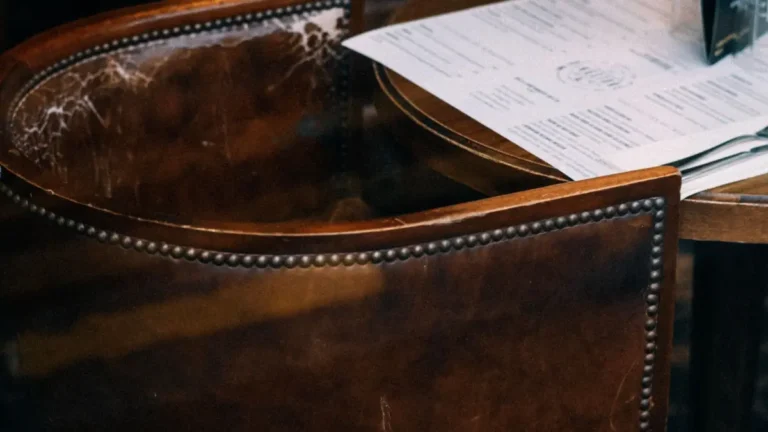 Leather Chair Guide: Full-Grain vs Top-Grain vs Bonded, Patina, Color, Placement and CareA leather chair is one of those pieces that looks better the longer you own it. Good leather softens, darkens…Read more →
 Leather Couch: Full-Grain, Top-Grain, Bonded and Faux ExplainedA leather couch can last for years and look better with age. It can also be an expensive mistake if you don t…Read more →





One Comment