Leather Chair Guide: Full-Grain vs Top-Grain vs Bonded, Patina, Color, Placement and Care
A leather chair is one of those pieces that looks better the longer you own it. Good leather softens, darkens and gains character. Bad leather cracks, peels and ends up in the trash in three years. The difference is mostly in how the leather was made, and most of that is hidden behind words like “genuine” and “premium.” Learning the grades and what they mean saves you from expensive mistakes.
This article is part of our accent chairs, recliners and seating guide, where you can compare related options.
A leather chair is any chair upholstered in leather: a club chair, a recliner, an accent chair, a desk chair or a dining chair. This guide explains the leather grades, what patina is, how sunlight and color affect leather, what to look for in different chair types and how to care for leather. Search results included many spam wiki pages, which I disregarded. The remaining sources covered grades well but said little about care routines or recliner durability, so those parts are general knowledge and marked.

Leather Grades
Full-Grain Leather
Full-grain is generally treated as the most durable option and the one that develops the richest patina. One retailer describes it as the gold standard. It uses the whole top layer of the hide with natural markings intact. It is the most durable and develops a beautiful patina over time. It costs more and can show natural marks.
Top-Grain Leather
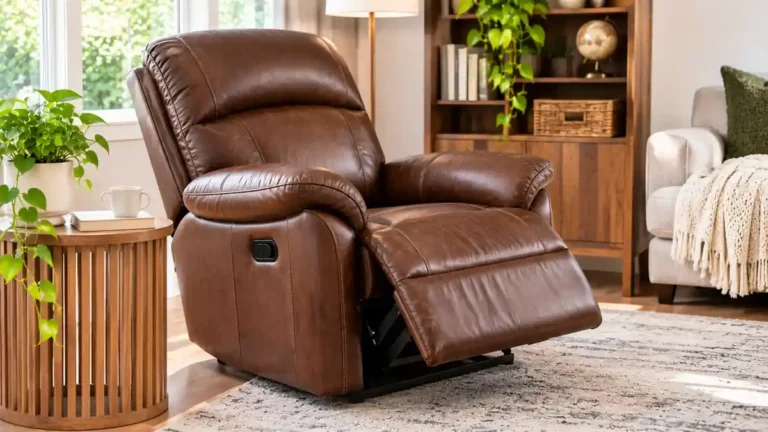
Top-grain is the more common choice in furniture today. Its surface is sanded and refinished, which evens out color but removes natural markings. In the furniture industry today, top-grain leather is the most commonly used versus full-grain. It costs less, though it is usually considered less durable than full-grain. For most chairs, good top-grain is a fine choice. See the leather recliner guide.
Corrected-Grain Leather
Top-grain that has been heavily sanded and embossed. Looks uniform.
Split, Bonded and “Genuine” Labels
These are the weakest tier. Bonded leather is made from leftover scraps held together with resin, so it wears faster. One guide advises that a vague “100% genuine leather” label technically covers a wide range of quality, including bonded constructions.
Faux Leather (PU or Vinyl)
Not real leather. Easy to wipe, but can crack or peel.
| Grade | Durability | Look | Cost |
|---|---|---|---|
| Full-grain | Highest | Natural, develops patina | Highest |
| Top-grain | High | Even, refinished | High |
| Corrected-grain | Medium | Uniform | Medium |
| Bonded/split | Low | Uniform | Low |
| Faux | Low to medium | Uniform | Low |
Patina
Patina is the main difference in aging. One source says patina adds richness, depth and smoothness. As leather is used, it absorbs oils from skin and air, darkens slightly and develops a soft sheen. Scratches may blend in. Full-grain leather develops the richest patina, while heavily coated top-grain leather changes less.
Some people love the lived-in look. Others prefer leather that stays uniform. Decide which you like before buying.
Sunlight and Placement
Sunlight is a major factor. Direct sunlight will age the leather, especially on exposed areas, so placement matters, especially near windows. Sun can fade color and dry the leather, leading to cracks.
Key points: keep chairs out of direct sun; use curtains or UV-filtering film on windows; keep chairs away from heaters and vents; rotate placement if possible.
Color
Darker tones hide everyday wear better. Lighter shades such as cognac or taupe need more conditioning, according to one buying guide. White leather shows marks. See the white couch guide for tips on light colors.
Popular colors: brown, cognac, black, tan, gray, navy and green. Choose a color that suits your room and tolerance for upkeep.
Chair Types
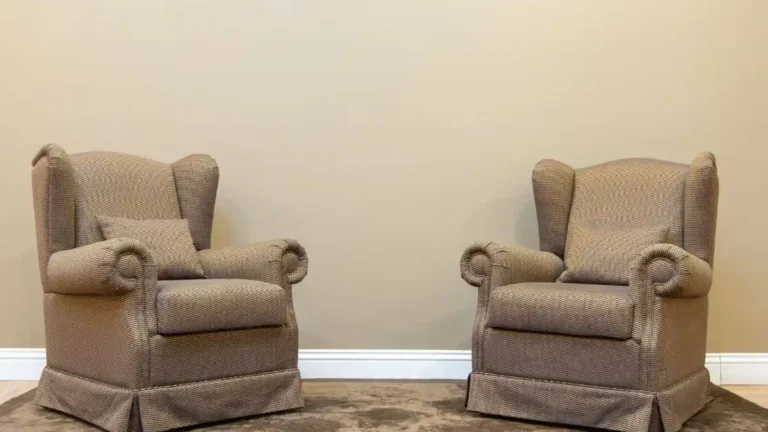
Club chair: deep, wide and comfortable. A classic in leather. Wingback: tall back with wings. See the wingback chair guide. Leather recliner: see the leather recliner and reclining chair guides. Accent chair: smaller, stylish. See the accent chairs guide. Chair and a half: see the chair and a half guide. Swivel chair: see the swivel chair guide. Dining chair: wipeable. Look for top-grain leather. Desk or office chair: retailer guidance recommends top-grain (full-grain or corrected-grain) leather with clear specs. Under about $300, you will usually find bonded leather or PU leather-like upholstery.
What to Check Before You Buy
Ask which grade is used and which parts are real leather. Some chairs use leather only on seating surfaces and vinyl elsewhere. Feel the leather. It should feel soft and supple, not plasticky. Check seams and stitching. Straight, tight and even. Check the frame. Hardwood is best. See the sofa set guide. Check cushions. High-density foam holds shape. Check the spring system. Sit in it. Check the warranty. Check the return policy.
A tip: if the price seems too good to be true for “genuine leather,” it probably is bonded or split leather.
Care (General Knowledge)
Always follow the maker’s instructions.
Dust or vacuum with a soft brush regularly. Wipe spills right away with a clean, dry cloth. Blot, do not rub. Clean with a leather cleaner or a damp cloth. Avoid harsh chemicals. Condition leather once or twice a year, or as the maker advises. Lighter leather may need it more often. Test any product on a hidden spot first. Keep away from sun and heat. Keep away from sharp objects and pet claws. Avoid dye transfer from dark jeans on light leather. Treat scratches gently with a soft cloth or a leather balm.
Faux and bonded leather cannot be conditioned the same way and tend to peel as the surface wears.
What are the main strengths and weaknesses?
On the plus side: durable when good quality; ages gracefully; wipes clean; classic look; resists dust and pet hair. On the downside: costs more than fabric; can feel cold or sticky; can scratch; needs sun protection; cheap versions peel.
How to Choose a Leather Chair
Decide the use: reading, lounging, desk or dining. Choose the grade: full-grain or good top-grain. Ask exactly where real leather is used. Choose a color that suits wear and your room. Check the frame and cushions. Plan placement away from sun. Sit in it. Check the warranty. Read reviews for peeling and wear.
What mistakes should you avoid?
A few common mistakes are worth avoiding: trusting the word “genuine.”; placing it in direct sun; choosing a light color for a busy household; skipping the frame check; using harsh cleaners; buying cheap bonded leather and expecting it to last.
Frequently Asked Questions
What is the best leather for a chair?
Full-grain is the most durable. Good top-grain is the common choice for furniture.
What is bonded leather?
Leftover scraps held together with resin. It wears faster.
Does leather fade in the sun?
Yes. Direct sunlight ages leather, especially on exposed areas.
What color hides wear best?
Darker tones. Lighter shades like cognac or taupe need more conditioning.
How do I care for a leather chair?
Dust, wipe spills quickly, use a leather cleaner and condition occasionally, following the maker’s advice.
Are leather desk chairs worth it?
Good top-grain leather desk chairs can last, but under about $300 you will usually find bonded or PU leather.
Conclusion
A leather chair rewards careful buying. Choose full-grain or good top-grain leather, ask where real leather is used, pick a color and a spot that suit it and give it basic care.
Avoid vague labels and bargain prices. With the right chair, you get a comfortable seat that looks better with age.
Related guides
 Club Chair: What It Is, Typical Sizes, Leather Styles and Club Chair vs ArmchairA club chair is a deep, low-backed, heavily upholstered lounge chair, traditionally covered in leather. One…Read more →
 Barrel Chair: Dimensions, Styles, Swivel Options and How to Place OneA barrel chair is an upholstered armchair with a rounded, curved back that wraps around the sitter like the…Read more →
 Floor Chair Guide: Legless Chairs, Back Support, Cushion Thickness and Who Should Avoid ThemQuick answer: a floor chair sits on the floor and gives you a seat and back support without legs. Legless…Read more →
 Sleeper Chair Guide: Sizes, Comfort, Sleeper Chair vs Sofa Bed and How to ChooseA sleeper chair is a chair by day and a small bed by night. It fits in rooms where a sofa bed would be too big:Read more →