Adjustable Mattress Guide: Which Mattress Types Work on Adjustable Bases (Foam, Latex, Hybrid) and What to Check
Quick answer: most foam, latex and many hybrid mattresses work on an adjustable bed base. Casper rates memory foam and latex as compatible, hybrids as sometimes compatible and traditional innerspring as usually not. Pocket-coil hybrids flex best, one Canadian retailer suggests 10 to 14 inches thick so the mattress bends smoothly and you should always confirm the maker’s adjustable-base compatibility.
This article is part of our mattress buying guide, where you can compare related options.
An adjustable base lets you raise your head or feet at the touch of a button. It helps with reading, watching TV, snoring, reflux and back comfort for some people. But the mattress has to bend with the base. The wrong mattress can crack, sag or void its warranty. This guide explains which mattress types work, what to look for in construction, thickness and firmness, how to check compatibility and the limits of the search results, which said nothing about split king sizing or zero gravity presets. This is not medical advice. If you want an adjustable base for a health condition, ask a doctor.
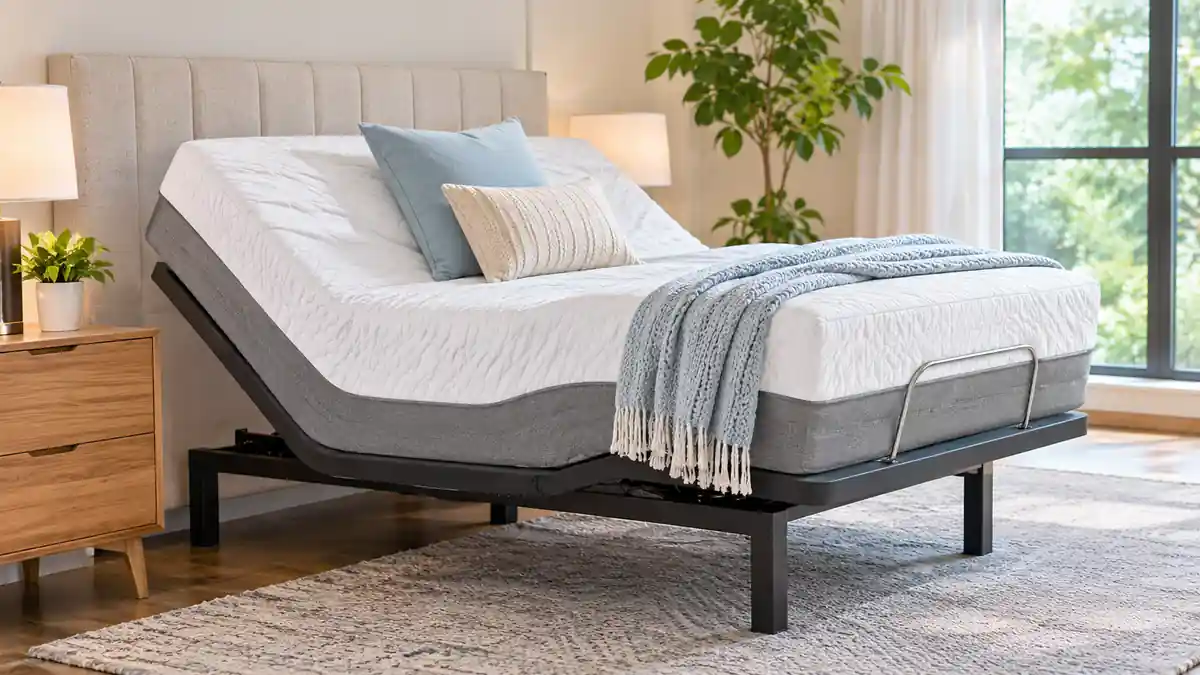
What Is an “Adjustable Mattress”?
There is no special category called an adjustable mattress. The phrase usually means a mattress made or rated to work on an adjustable base. The base raises and lowers sections, and the mattress flexes with it. Many brands label models “adjustable base friendly” (National Mattress lists these).
Mattress Types and Compatibility
Foam, latex and hybrid mattresses work with adjustable bases.
| Type | Compatibility (Casper’s rating) | Notes |
|---|---|---|
| Memory foam | Compatible | Bends easily. See the best memory foam mattress guide |
| Latex | Compatible | Flexible and durable |
| Hybrid | Sometimes | Depends on coil design |
| Innerspring | Usually not | Rigid coils can damage |
Hybrids: The Main Caveat
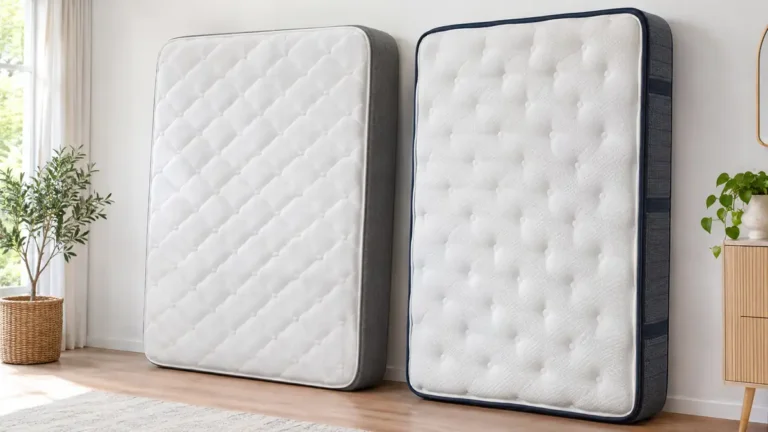
Hybrids are the main caveat. One source notes that pocket-coil hybrids flex safely on adjustable bases, and another says individually wrapped pocket coils flex best. Traditional coil designs are the ones that tend to fail. Ask whether the coils are individually wrapped and whether the maker approves the mattress for adjustable bases.
Foam and Latex
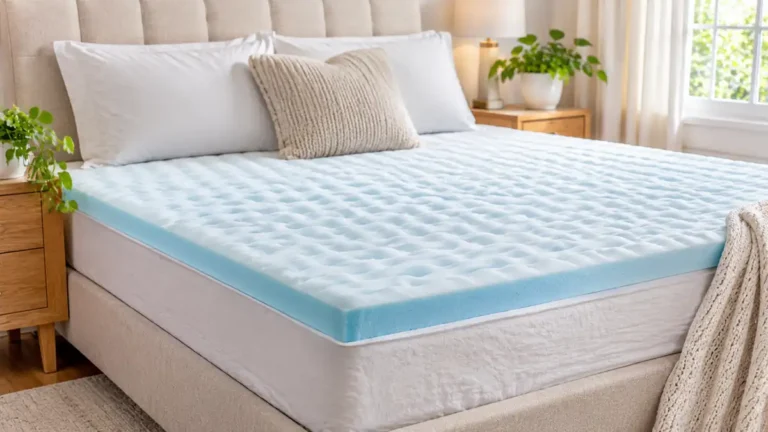
Foam and latex bend without damage. Many foam mattresses are labeled adjustable-base compatible, although you should still confirm this with the manufacturer. See the best cooling mattress guide for heat considerations with foam.
Thickness and Firmness
One Canadian retailer advises aiming for 10 to 14 inches so the mattress bends smoothly. Another source warns that a very firm mattress could be unsuitable. A very stiff mattress resists bending, creating gaps or stress. A very thick mattress may not conform well at the hinge points.
A medium or medium-firm feel with flexible layers works for many people. See the best firm mattress guide for firmness context.
How to Check Compatibility
Checking the manufacturer’s rating.
- Look for “adjustable base compatible” in the product specs.
- Check the warranty. Some warranties are voided by using an incompatible base.
- Ask the maker about your base model.
- Check the construction: foam, latex or wrapped coils.
- Check thickness (10 to 14 inches).
- Check the cover. A stretchy, breathable cover helps.
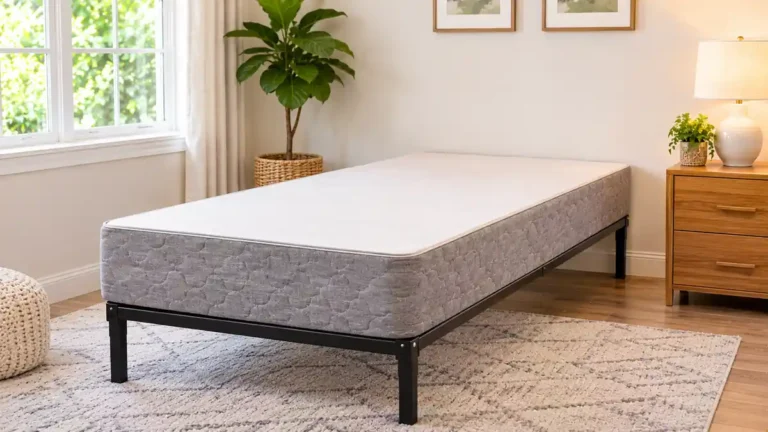
- Check the foundation requirements. Adjustable bases replace box springs. See the king box spring guide for base and warranty basics.
Tom’s Guide published “Not all mattresses are compatible with adjustable beds – here’s why.”
Not Covered in the Search
The results said nothing about split king configurations or zero gravity presets. Those would need a separate search, ideally one aimed at the base manufacturer’s documentation on whether each preset works with a split king and with which mattress types. Split king (two twin XL mattresses side by side) setups exist so each sleeper can set their own angles. See the king vs queen guide and the king box spring guide for split king basics. For zero gravity posture notes, see the zero gravity recliner guide. I do not make claims about presets here.
Sizes
Adjustable bases come in twin XL, full, queen, king and split king (general knowledge). Match the mattress size to the base. See the twin mattress dimensions, twin vs full and king vs queen guides. Check that sheets fit, since deep pockets help. See the fitted sheet guide.
Weight and Heavy Sleepers
Adjustable bases have weight limits. Heavier sleepers need to check the base’s rating and the mattress’s support. See the best mattress for heavy people guide. Check edge support, since an adjustable base can shift loads.
What are the main strengths and weaknesses?
On the plus side: raises head or feet for comfort; helps reading, TV and some positions; many have massage and presets; split versions for couples. On the downside: costs more than a regular frame; heavy, needs power; not every mattress is compatible; some mattresses limit flexibility.
Tips for Using an Adjustable Bed
Key points: start with small angles; avoid leaving the bed in a raised position for long unless advised; use a mattress protector that stretches; keep the base clear of obstructions; check cables and motors; use a mattress retainer if the mattress slides.
For medical uses such as reflux, sleep apnea or swelling, ask a doctor. This is not medical advice.
How to Choose an Adjustable Mattress
Choose a type: foam, latex or wrapped-coil hybrid. Check the maker’s compatibility rating. Choose 10 to 14 inches thick. Avoid very stiff mattresses. Match the size to the base. Check warranty terms. Check weight limits. Read reviews from adjustable base users. Check the trial period.
What mistakes should you avoid?
A few common mistakes are worth avoiding: assuming any mattress works; using a traditional innerspring; ignoring the warranty; choosing a very stiff mattress; skipping the base weight limit; not checking split king options.
Frequently Asked Questions
What mattresses work on adjustable beds?
Memory foam and latex, and many pocket-coil hybrids.
Do innersprings work?
Usually not, per Casper’s rating.
How thick should the mattress be?
One retailer suggests 10 to 14 inches.
Can I use any mattress?
No. Check the maker’s rating.
Do adjustable bases need a box spring?
No. The base replaces it.
Does it work with a split king?
The search did not cover this. Check the base maker.
Conclusion
An adjustable base works best with a flexible mattress. Choose memory foam, latex or a wrapped-coil hybrid about 10 to 14 inches thick, avoid very stiff or traditional innerspring mattresses and confirm the maker’s compatibility rating.
Because the search did not cover split king or presets, check with the base maker. The right match keeps both the mattress and the base working well.
Related guides
 Folding Mattress: Tri-Fold Foam Thickness, Sizes, Density and Who It SuitsA folding mattress is a foam mattress that folds into thirds so you can store it in a closet or carry it.…Read more →
 Inflatable Mattress Guide: Air Bed Height, Built-In Pumps, Leaks, Weight Capacity and CareQuick answer: an inflatable mattress, or air bed, is a mattress you fill with air for guests, camping or…Read more →
 Best Firm Mattress Guide: What “Firm” Means, 7 to 8 on the Scale, Who Needs One and What to CheckQuick answer: a firm mattress usually rates 7 to 8 on a 10-point firmness scale. It suits stomach sleepers and…Read more →
 Full vs Queen Mattress: Size Difference, Couples, Room Size, Price and How to ChooseFull and queen mattresses are two of the most popular sizes in the country, and they look close on a size…Read more →