Best Cooling Sheets: Linen, Percale, Tencel and Bamboo Compared for Hot Sleepers
If you wake up hot, damp and kicking off the covers, your sheets might be part of the problem. Some sheets feel cool for the first minute and then trap heat all night. Others breathe and let moisture escape, so you stay comfortable. The right choice of fabric and weave makes a bigger difference than you might think, and often costs less than a new mattress.
This article is part of our bedding guide, where you can compare related options.
This guide explains which materials sleep coolest, why the weave matters more than the thread count, which materials to avoid and how to shop for cooling sheets without falling for marketing. They agreed on the main points, but I found no independent testing data on how much each fabric actually reduces sleeping temperature, so treat the rankings as informed guidance. See the best bed sheets guide for general sheet advice.
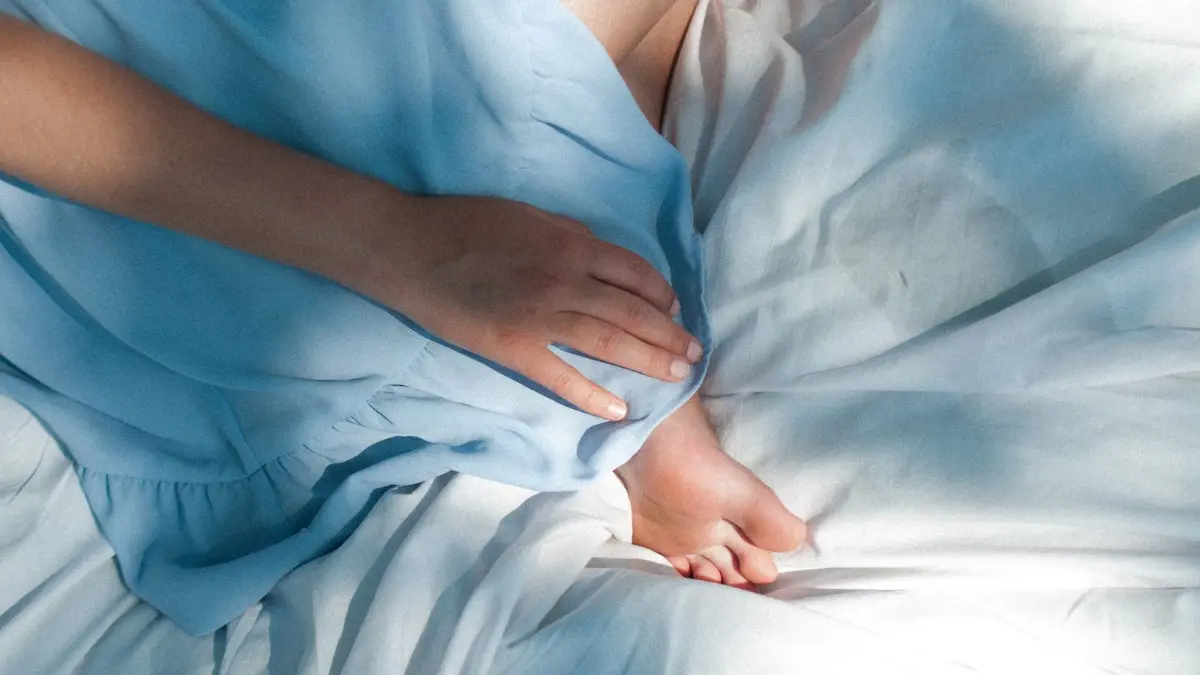
What Makes Sheets “Cool”?
Two things:
- Breathability. How easily air moves through the fabric.
- Moisture wicking. How well the fabric moves sweat away from your skin so it can evaporate.
A cool-to-touch feel at first (a smooth, slick surface) is not the same as staying cool all night. Real cooling sheets are breathable and wick moisture.
Cooling Materials
Linen
Linen is the most-recommended option. One Sleep Foundation textile expert calls it their top pick, and a retailer’s comparison table rates it as the most breathable and moisture-wicking fabric. It has a textured, relaxed feel, wrinkles easily and usually costs more. It gets softer with every wash. See the linen sheets guide.
Percale Cotton
Percale cotton is the usual default. Retail guides point to long-staple cotton in a percale weave as a strong choice, and one describes it as the crisp, breathable option. See the Egyptian cotton sheets guide for cotton quality.
Tencel (Lyocell)
Tencel is a fiber made from wood pulp (usually eucalyptus). It is soft, smooth and breathable, and it handles moisture well. Several guides group it with bamboo for cooling.
Bamboo
Bamboo-derived sheets (usually viscose or rayon made from bamboo pulp) feel very soft. One guide notes that bamboo viscose tends to feel silkier, while lyocell is the more breathable of the two. That is a retailer’s claim, so treat it cautiously. See the bamboo sheets guide.
Silk
Silk regulates temperature but is expensive and delicate. Medical News Today has a guide on silk sheets. See the satin sheets guide for the difference between satin and silk.
Materials to Avoid
Polyester microfiber and synthetic blends hold heat and reduce airflow, according to one guide. Polyester satin can feel sweaty. Heavy sateen weaves feel warmer than percale.
| Material | Cooling | Notes |
|---|---|---|
| Linen | Excellent | Textured, wrinkles, costs more |
| Percale cotton | Very good | Crisp, widely available |
| Tencel lyocell | Very good | Soft and breathable |
| Bamboo viscose | Good | Silky, quality varies |
| Silk | Good | Delicate, pricey |
| Polyester | Poor | Holds heat |
Weave: Percale vs Sateen
Most sources favor percale over sateen for hot sleepers. One guide explains that percale’s one-over-one-under weave leaves airflow channels, while sateen’s denser weave feels silky but holds more heat. If you love the smooth feel of sateen, choose a lightweight sateen in a breathable fiber, but expect it to sleep warmer than percale.
See the best bed sheets and satin sheets guides for weave details.
Thread Count
Thread count gets less weight than fiber and weave. One guide ranks sheets by fabric and weave rather than thread count, and another says lower thread counts often breathe better. Neither offers a precise cutoff. A very high thread count packs the fabric tightly, which can reduce airflow. For percale, many guides suggest staying in the moderate range, but follow the product’s description. See the best bed sheets guide for more.
How to Shop for Cooling Sheets
- Prioritize the fiber. Linen, long-staple cotton, Tencel or bamboo.
- Then the weave. Percale for crisp and cool.
- Then construction quality. Even weave, strong seams.
- Check the weight. Lightweight is cooler.
- Avoid synthetic blends if you run hot.
- Read the fiber content label, not just the marketing name.
- Buy the same brand in two materials to compare, as one source suggests.
- Check the return policy since feel is personal.
- Check size and pocket depth. See the fitted sheet guide.
- Check care instructions.
Be skeptical of claims like “arctic cool” or “cooling technology” without a fiber and weave explanation. Independent testing data was not found.
Sleeping Cooler Beyond the Sheets
Sheets are one layer. For the best result, pair them with: a breathable mattress. See the cooling mattress guide; a cooling pillow. See the cooling pillow guide; a lightweight comforter. See the cooling comforter and down comforter guides; a breathable mattress cover. See the mattress cover and mattress pad guides; a cool, dark, quiet room; a fan or air circulation; light pajamas.
If you have severe night sweats, talk to a doctor.
Care
Key points: wash before first use; use cool or warm water on a gentle cycle; avoid fabric softener, which can coat fibers and reduce breathability; dry on low heat or air dry; wash weekly or every other week; follow the care label. Linen and Tencel have specific needs.
What are the main strengths and weaknesses?
On the plus side: help hot sleepers stay comfortable; often last long; easy upgrade; natural fibers feel good. On the downside: linen wrinkles and costs more; marketing claims can be misleading; different people feel temperature differently; not a cure for night sweats.
What mistakes should you avoid?
A few common mistakes are worth avoiding: choosing sateen or polyester for hot sleeping; chasing thread count; trusting “cooling” labels alone; using fabric softener; ignoring the rest of the bedding; skipping a return policy.
Frequently Asked Questions
What are the best sheets for hot sleepers?
Linen, percale cotton, Tencel and bamboo are the most-cited options.
Is percale or sateen cooler?
Percale. Its weave leaves airflow channels, while sateen holds more heat.
Does thread count matter for cooling?
Less than fiber and weave. Lower thread counts often breathe better, according to one guide.
Are bamboo sheets cooling?
They can be, but one retailer says lyocell is more breathable than bamboo viscose.
Are polyester sheets bad for hot sleepers?
Polyester and synthetic blends hold heat and reduce airflow.
Do cooling sheets really work?
Breathable fibers and weaves help, but I found no independent temperature testing.
Conclusion
The best cooling sheets are breathable and moisture-wicking: linen, percale cotton, Tencel or bamboo, in a light weave. Prioritize fiber, then weave, and ignore thread count hype.
Pair your sheets with a breathable mattress and lighter bedding, and use a return policy to find what you like. A smart choice here can make hot nights much more comfortable.
Related guides
 Cotton Sheets: Percale vs Sateen, Thread Count, Egyptian vs Pima and What to BuyCotton is the most popular sheet fiber, and the choice comes down to weave and fiber quality. Percale is a…Read more →
 Best Cooling Pillow: Latex, Shredded Foam and Gel ComparedLatex and shredded fills tend to run coolest, gel-infused or graphite memory foam sits in the middle and…Read more →
 Satin Sheets Guide: Satin vs Silk vs Sateen, Polyester Satin, Hair and Skin, Care and CostSatin sheets look luxurious. They are smooth, shiny and cool to the touch at first, and they slide easily.…Read more →
 Best Cooling Mattress Guide: Hybrid vs Latex vs Gel Foam, Covers, Toppers and Hot Sleeper TipsQuick answer: for most hot sleepers, the best cooling mattress is a hybrid or a natural latex model, because…Read more →