Best Air Mattress Guide: Built-In Pump, Coil vs Beam Construction, Height, Weight Capacity and Leaks
An air mattress is the quick-fix bed. Pull it out of a bag, plug it in and in a few minutes you have a place for a guest to sleep. It packs small, costs less than a spare bed and works for camping, sleepovers and moves. But anyone who has slept on a bad one knows the downside: you wake up on the floor after the air slowly leaks out, or the mattress feels like a wobbly balloon.
This article is part of our mattress buying guide, where you can compare related options.
An air mattress is an inflatable bed made from PVC or similar material, filled with air by a built-in or separate pump. This guide explains how the main designs work, how to compare height, weight capacity and pump type, how to tell a leak from normal stretching, how to set up and care for one and how to choose. The search results were mostly affiliate review pages, and I found no independent leak testing or long-term firmness data. Treat model examples as illustrations, not recommendations, and check owner reviews before you buy.

Types of Air Mattresses
Single-height (low) air mattress: about 8 to 10 inches tall. Light and packs small. Good for camping and kids. Raised (double-height) air mattress: about 16 to 24 inches tall. Sits at the height of a regular bed, which is easier to get in and out of. One brand offers a 24-inch model with plenty of height, so if you’re not the type who enjoys sleeping close to the floor, you’ll be covered. Built-in pump mattress: has an internal electric pump. Inflates and deflates with a switch or dial. External pump mattress: needs a separate electric, battery or manual pump. Camping air mattress: thicker fabric and a lighter design. Some use manual pumps. Air bed with a headboard or built-in pillow: one top pick has a built-in pillow that may be too high for stomach sleepers. Air bed frame and sofa air beds: inflatable mattresses with a frame, or ones sized for a sofa bed.
| Type | Height | Best for |
|---|---|---|
| Low single-height | About 8 to 10 inches | Camping, kids |
| Raised double-height | About 16 to 24 inches | Guests, daily comfort |
| Built-in pump | Varies | Quick setup |
| External pump | Varies | Light packing |
Construction: Coils and Beams
How the inside is built decides how the mattress feels.
Coil construction: air coils (vertical or horizontal tubes) run through the mattress. Examples in the results: one brand uses a honeycomb coil with an 800-pound capacity and is marketed for comfort and leak resistance. Another uses a smart air coil with a 700-pound capacity. Beam construction: horizontal beams or ribs. One model uses horizontal beams with an 800-pound capacity, but it is heavier and bulkier to pack than comparable queens. Wave or ribbed designs: cheaper, can feel wobbly. Dual chamber: two separate air chambers for couples, so one person’s movement bothers the other less. (General knowledge.).
Coil and beam systems both aim to keep the surface from bulging and sagging. Check reviews for how the bed feels in use.
Pump Types
Built-in AC pump: plugs into a wall outlet. Built-in AC pumps generally fill a queen mattress in 3 to 4 minutes. Another guide says a queen with an electric pump typically takes less than 5 minutes to fully inflate. One guide praises a model where you can inflate and deflate in minutes with the turn of a dial. Battery pump: good for camping. Check battery life. Rechargeable pump: convenient but needs charging. Manual (foot or hand) pump: slow, but works anywhere. Pump noise: some pumps are louder than others. One top pick has a louder pump noise than most competitors.
Things to check: automatic shutoff, quick deflation, easy storage of the cord and the pump position.
Height
Choose based on who will sleep on it.
Low mattresses are lighter but harder to get off, especially for older adults. Raised mattresses are easier to use, and they feel more like a bed. Very tall models (24 inches) need a stable surface and may need a fitted sheet with deep pockets. See the fitted sheet guide.
Weight Capacity
Ratings vary.
The Bestway 12-inch queen with built-in AC pump is listed at a weight capacity of 661 pounds, and one reviewer flags some concerns about its durability. A battery-pump model is rated at 650 pounds. Others claim 700 to 800 pounds.
Capacity is usually the total weight on the bed. Two adults and a pet can add up. Leave a margin, and check the stated capacity.
Leaks vs Stretching
The sources found nothing on overnight leaks or slow deflation tested over a night. One reviewer notes that initial PVC stretch can be mistaken for a leak. New air mattresses often stretch during the first few hours of use, so the bed feels softer even though no air has escaped. Top it up and wait.
If you suspect a leak:
- Inflate fully.
- Listen and feel for hissing.
- Spray soapy water on seams and look for bubbles.
- Check the valve. A loose valve is a common culprit.
- Use a patch kit for small holes.
- Check the manual and warranty.
Don’t use sharp objects near the mattress, and place it on a clean, smooth surface. Add a rug or blanket underneath.
Setting Up for Comfort
Inflate to a firm but not rock-hard level. Slightly under-inflating helps pressure points. Check the temperature. Cold rooms make the air contract, so the bed feels softer. Top it up. Use a mattress pad or topper on top for comfort and warmth. See the mattress pad and mattress topper guides. Use a fitted sheet that fits the height. See the fitted sheet guide. Place on a flat floor. Keep pets’ claws away. Add a rug under to protect the bed. Add extra blankets because air mattresses can feel cold underneath.
Care and Storage
Key points: deflate fully and fold according to the manual; clean with mild soap and water, and dry fully; store in the bag in a cool, dry place; avoid sharp objects; check for wear before each use; keep the pump dry.
Sleeping on an Air Mattress Every Night
Most air mattresses are made for occasional use. They can lose air, sag and offer less support than a regular mattress. For daily sleeping, a foam or hybrid mattress or a sofa bed with a real mattress is better. Ask a doctor if you have back problems. See the foldable mattress, folding bed and sofa bed couch guides for alternatives.
What are the main strengths and weaknesses?
On the plus side: quick to set up; packs small; affordable; adjustable firmness; good for guests and camping. On the downside: can leak or lose air; less supportive for long-term sleep; can be noisy or squeaky; cold feel from below; pumps can fail.
How to Choose an Air Mattress
Decide the use: guests, camping or daily. Choose a height. Choose built-in or external pump. Check construction: coil or beam. Check weight capacity with margin. Check size. See the full vs queen guide. Check the warranty. Check pump noise and deflation. Read owner reviews for leaks and firmness. Buy a patch kit and keep it with the bed.
What mistakes should you avoid?
A few common mistakes are worth avoiding: mistaking initial stretch for a leak; overinflating until rock hard; placing on a rough surface; buying only on price; ignoring pump noise; using it nightly without a topper.
Frequently Asked Questions
How long does an air mattress take to inflate?
Built-in pumps usually fill a queen in 3 to 5 minutes.
Is a raised air mattress better?
For guests, yes, because it is easier to get in and out of.
What is the difference between coil and beam air mattresses?
Both use internal structures to keep the surface even. Coil designs use tubes, beam designs use horizontal ribs.
Why does my air mattress feel softer in the morning?
PVC stretch, cooler room air and small leaks can all make it feel softer.
How much weight can an air mattress hold?
Listings range from about 650 to 800 pounds. Check the product.
Can I use an air mattress every night?
Most are made for occasional use. Daily use needs a thicker topper or a better bed.
Conclusion
The best air mattress for you depends on how you will use it. Choose a raised model for guests, a lighter one for camping, check the pump, construction and weight capacity and read owner reviews, since independent leak data is hard to find.
Inflate it properly, add a topper and fitted sheet and keep a patch kit handy. With a little care, an air mattress is a handy bed when you need one.
Related guides
 Air Mattress: How to Choose One, Inflate It and Fix LeaksAn air mattress is a handy bed for guests, camping trips and moves. It packs small, inflates fast and costs…Read more →
 Folding Mattress: Tri-Fold Foam Thickness, Sizes, Density and Who It SuitsA folding mattress is a foam mattress that folds into thirds so you can store it in a closet or carry it.…Read more →
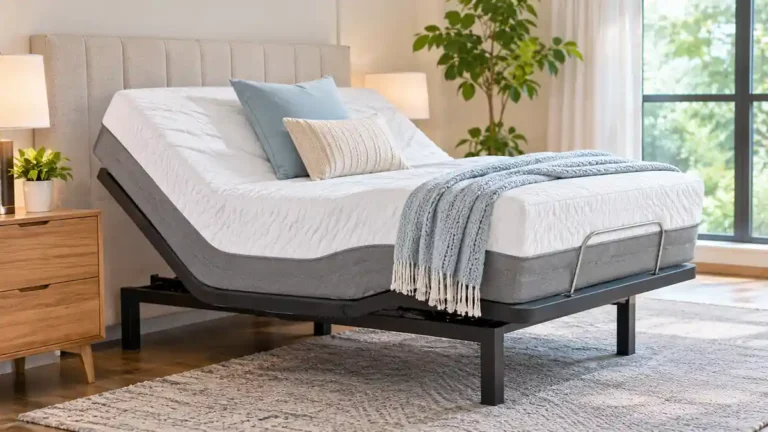 Adjustable Mattress Guide: Which Mattress Types Work on Adjustable Bases (Foam, Latex, Hybrid) and What to CheckQuick answer: most foam, latex and many hybrid mattresses work on an adjustable bed base. Casper rates memory…Read more →
 Full vs Queen Mattress: Size Difference, Couples, Room Size, Price and How to ChooseFull and queen mattresses are two of the most popular sizes in the country, and they look close on a size…Read more →