End Tables for Living Room: Height, Size, Placement and How to Choose
An end table sits next to a sofa or chair and holds a lamp, a drink, a remote or a book. It’s a small piece, but it affects how comfortable the seating feels. If it’s too low, you have to bend. If it’s too tall, it blocks your arm and looks awkward. Getting the height right is the most important step.
This article is part of our coffee, end and console tables guide, where you can compare related options.
An end table, also called a side table, is a small table that sits beside seating. It might be round, square or rectangular, with a drawer, a shelf or an open design. Some nest together. Some have storage.
This guide explains the best height compared with the sofa arm, typical sizes, how to place end tables and how to choose. It also includes general advice on shape, storage and styling, which my sources did not cover in detail. See the round coffee table and living room furniture guides for related spacing. You’ll also find a size table, a checklist and answers to common questions.
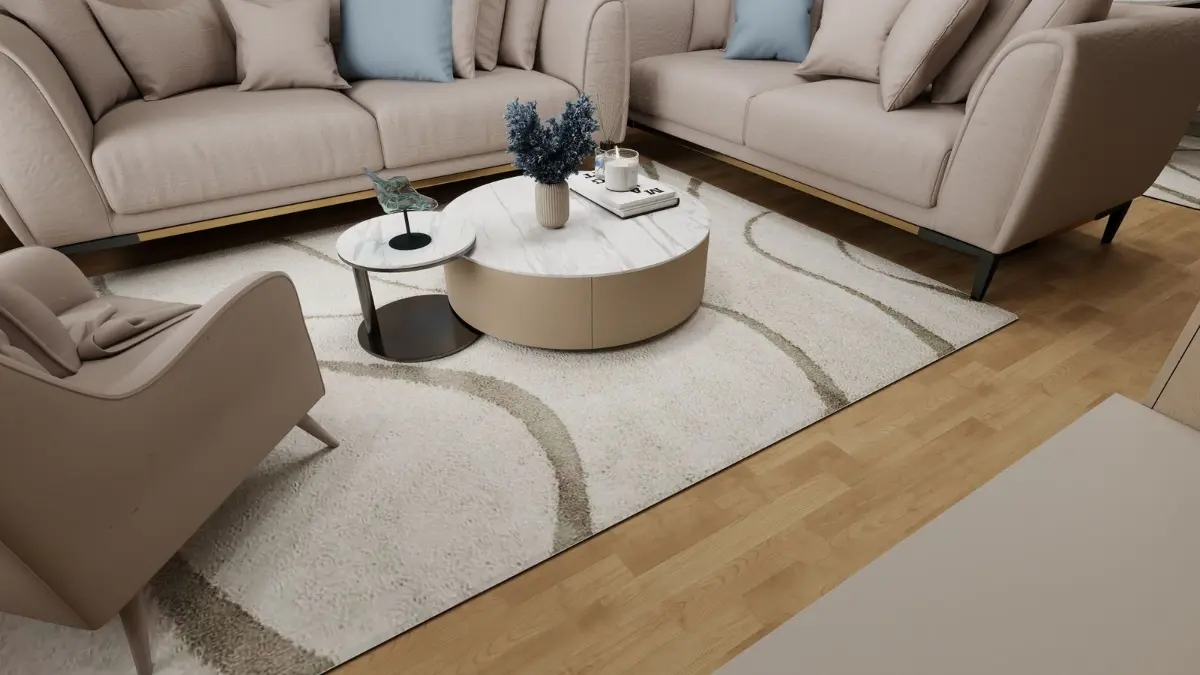
How Tall Should an End Table Be?
The dominant rule is to match the arm height within about 2 inches. Wayfair’s guidance is that the table should be the same height as the arm or 2 inches lower, and it notes a taller table needs to clear the arm by more than 2 inches to work.
When in between sizes, several sources recommend choosing the shorter option. One argues that a table slightly below the arm is barely noticeable, while a taller one creates a visual wall next to the sofa and blocks your arm from resting naturally.
For low-profile or armless seating, one source suggests using the imagined arm height or the height of the throw pillows as a guide. If you have a sofa or chair with no arms, choose a table that would be the imaginary height of the arms.
Typical ranges differ. One source says standard end tables run from 22 to 30 inches tall. Another says most pieces are 18 to 24 inches tall.
| Method | How to use it |
|---|---|
| Match the arm | Same height, or up to 2 inches lower |
| Between sizes | Pick the shorter table |
| Armless sofa | Use pillow height or imagined arm height |
Size and Depth
Most end table depths range from 22 to 24 inches, according to one source. Width varies. Pick a table that fits the space between the sofa and the wall or next piece of furniture, with a little room to spare.
Think about what you’ll put on it: a lamp needs a stable base. Check the size of the base; a drink needs room for a coaster; a remote and a book need surface area; a phone charger needs outlet access.
If the table is too small, items get crowded. If it’s too big, it takes over the space. Leave walking room. See the living room furniture guide for spacing.
Placement
Next to the sofa. Place a table at one end or both ends. Between chairs. A small table between two chairs works well. One guide notes you should keep 18 to 24 inches between a chair and a side table for easy reach and to maintain clear pathways. Beside a recliner. Make sure the table doesn’t block the recline. Behind the sofa. A narrow console table works better. See the console table guide. Corner. A small table fills an empty corner. Matching or mismatched. Two tables of the same size look balanced. Different tables look relaxed and eclectic.
Keep paths clear, and check that the table doesn’t block vents or outlets.
Shapes: Round, Square or Rectangular
My sources did not cover shape, so these are general ideas.
Round: soft, with no corners. Good in tight spaces and for kids. Square: fits neatly beside a sofa. Stable and roomy. Rectangular: uses space along the wall. Oval: elegant. C-shaped table: slides over the sofa arm or under a chair. Handy for laptops. Nesting tables: two or three small tables that stack. You can spread them out when needed. Drum or pedestal table: a single-leg design with a round top.
Pick the shape that matches your room. Round tables suit a room with many hard edges. Square or rectangular tables suit a modern look.
Storage and Features
Key points: drawers. Hide remotes and small items; lower shelf. For books or baskets; cabinet. Closed storage; charging ports. USB and outlets built in; lift top. Raises for laptop use; open design. Light and airy.
Choose storage that matches what you really use. In a small room, a table with a shelf adds function without much bulk.
Materials and Style
Wood: warm and sturdy. Solid wood lasts the longest. Metal: slim and modern. Glass: looks light, but shows fingerprints. Marble or stone: elegant and heavy. Rattan or cane: casual and textured. Upholstered or fabric: soft, but can stain.
Match the finish to your coffee table and other furniture. They don’t need to match perfectly, but keep a common tone or style. Consider the rest of your room, such as the metal on lamps or the wood on shelves.
Styling Tips
My sources did not cover styling, so these are general ideas.
Key points: put a lamp on one end table and a plant on the other; add a coaster or tray; keep a small stack of books; use a basket on the shelf below; don’t overload the top; vary heights on the surface; keep cables tidy.
How to Choose End Tables
Measure the sofa arm height. Choose a table at or up to 2 inches below that height. Measure the space next to the sofa. Pick the shape that suits the room. Decide on storage. Think about the lamp or items you’ll put on it. Check the materials and finish. Check stability. Plan for outlets if you need charging. Read reviews.
What mistakes should you avoid?
A few common mistakes are worth avoiding: choosing a table taller than the arm (it blocks your arm); buying a table that’s too small (there’s no space for a lamp); ignoring the walkway (the table blocks the path); skipping the lamp check (the lamp base may not fit); forgetting the outlet (the cord is too short); mixing too many styles (keep a common thread).
Frequently Asked Questions
How tall should an end table be next to a sofa?
The same height as the sofa arm or up to 2 inches lower, according to Wayfair.
What size end table do I need?
Most depths range from 22 to 24 inches. Choose a width that fits the space and holds a lamp and a drink.
Should end tables match?
They don’t have to. Keep a common height, tone or style.
How far should an end table be from a chair?
One guide suggests 18 to 24 inches between a chair and a side table for easy reach.
What if my sofa has no arms?
Use the imagined arm height or the height of your throw pillows as a guide.
Are nesting tables good for end tables?
They offer flexibility. You can spread them out when needed and tuck them away.
Conclusion
End tables are small, but they matter. Match the height to your sofa arm, keep it slightly lower if you aren’t sure and choose a size that holds your lamp and drink.
Place them within easy reach, leave clear paths and match the style to your room. With the right end tables, your seating area becomes more comfortable and tidy.
Related guides
 Kotatsu Table Guide: How It Works, Heights (14 to 20 Inches), Futon Blanket Size, Wattage and SafetyQuick answer: a kotatsu is a low Japanese table with a heater underneath and a thick quilted blanket draped…Read more →
 C Table Guide: Sofa Side Tables, Height, Slide-Under Clearance, Materials and UsesA C table is a small table shaped like the letter C. One side slides under your sofa, chair or bed, and the…Read more →
 Console Table: Size, Height, Styling and Where to Use OneA console table is one of the most useful pieces of furniture in a home. It s slim enough to fit in tight…Read more →
 Living Room Sets Guide: What’s Included, Room Size, Mixing and ChoosingA living room set is a group of furniture that s designed to go together. It takes the guesswork out of…Read more →