Kotatsu Table Guide: How It Works, Heights (14 to 20 Inches), Futon Blanket Size, Wattage and Safety
Quick answer: a kotatsu is a low Japanese table with a heater underneath and a thick quilted blanket draped over the frame to trap warmth. Typical heights are about 14 to 16 inches (35 to 50 centimeters), the blanket should be about the same size as the table and extend outward, heaters usually draw about 200 to 600 watts and models with overheat shut-off and tip switches are recommended. Safety claims come mostly from retailers.
This article is part of our coffee, end and console tables guide, where you can compare related options.
A kotatsu is a cozy winter tradition: you sit on the floor with your legs under the blanket, warm and snug, with a table on top for tea, a laptop or a board game. It is popular in Japan and growing elsewhere. This guide explains how a kotatsu works, heights, blanket sizes, heater power, safety, seating, alternatives and how to choose. Sources included Japan-focused blogs and retailers. I found no authoritative fire-safety agency source, so safety claims are cautious. This is not electrical or fire safety advice. Follow the maker’s instructions.
What Is a Kotatsu?
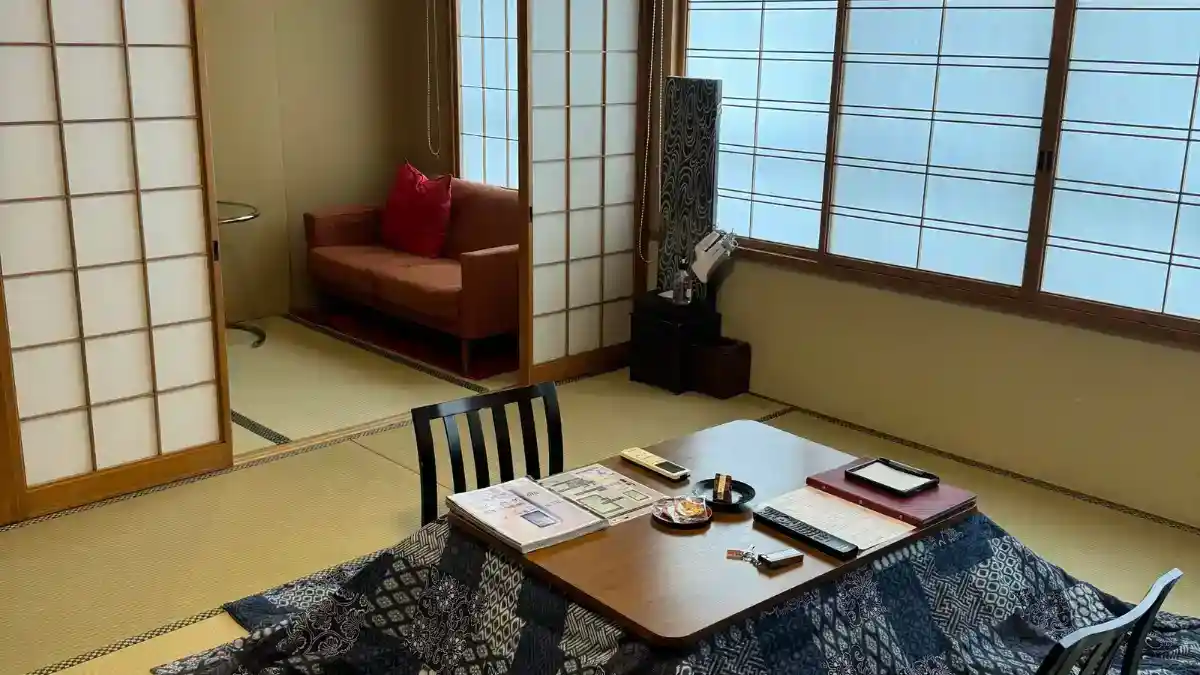
A kotatsu is a low table frame with a heat source underneath, covered by a thick quilt (kotatsu futon), topped by a tabletop. The blanket traps the heat underneath, creating a small pocket of warmth. The design originated in the Muromachi period and evolved from charcoal-heated pits into modern electric versions.
Parts: table frame and top. Often reversible tops; heater unit. Electric, attached under the top; kotatsu futon (blanket). Quilted, sold separately in many cases; cord and controller.
Zenmarket and Japan With Love explain what a kotatsu table is.
Heights
Estimates vary.
One source gives typical kotatsu heights of 14 to 16 inches. Another says around 35 to 50 centimeters. A third suggests around 35 to 40 centimeters for relaxing on the floor. A blog’s claim of an ideal height of 20 inches is an outlier. Some models have adjustable legs, which helps if you have trouble sitting on the floor.
Choose a height that lets you sit comfortably with your legs under the table. A higher table works with low chairs or cushions. See the floor chair and bean bag couch guides for floor seating.
Blanket Size
The common rule is that the quilt should be the same size as the table and then extend outwards. Blankets are often sold separately from tables, so check the fit before buying. One seller notes that the listed futon size refers to the outer fabric, so the finished size will be about 10 centimeters shorter after filling. Futon Tokyo sells handmade kotatsu futons. Choose a thick quilt that drapes well and trap heat.
Washing: check the label. Many futons are machine washable in a large machine. Dry fully. See the white comforter and can you wash pillows guides for large item washing tips.
Heater Power
Typical heater power is 200 to 600 watts, and one guide suggests 300 to 400 watts for average rooms. Higher wattage heats faster but uses more electricity. Check the heater’s temperature settings. Heated tubes under a protective casing are common.
Safety
Checking for certifications and overheat protection.
One guide says to prioritize models with certified safety systems that include overheat shutoff and tip switches. Keep heater vents clear and follow manufacturer instructions on futon placement. Watch cord placement to avoid trip hazards. Supervise children and pets around the heated area. A purpose-built kotatsu is generally considered safer than putting a space heater under a comforter. This is a retailer’s claim, so treat it cautiously.
Extra safety tips (general): don’t fall asleep under it for long periods. Many people do in Japan, but guidance varies. Check your model’s manual; don’t cover vents with thick items; unplug when not in use; keep flammable items away from the heater; don’t use if damaged; people with reduced sensation or medical conditions should ask a doctor.
SoraNews24 reported on a heater-less pet kotatsu as a safe way to keep furry friends warm. Pet kotatsus are different products.
Where to Use It
Key points: living room as a coffee table replacement; small apartment for warmth without heating the whole room; tatami or rug floors. See the japanese floor mattress guide for Japanese-style rooms; home office in winter; family gatherings.
Because you sit on the floor, add cushions or a floor chair. Mind joint comfort. Ask a professional if you have back or knee issues.
Energy Use
A kotatsu warms your legs and lower body, not the whole room, so it may use less electricity than heating a room (common claim). I did not verify cost or savings. Use the energy label and your local rates to estimate.
Alternatives
A heated throw or blanket. See the best electric blankets and comfort blanket guides. A heated mattress pad. See the heated mattress pad guide. A space heater (with care). A warm rug and cushions. A DIY setup with a low table and a blanket, with no heater.
What are the main strengths and weaknesses?
On the plus side: cozy and efficient warmth; table plus heater; cultural charm; works in small spaces. On the downside: needs floor seating; safety depends on model; blankets are separate and bulky; not all plug types fit everywhere.
How to Choose a Kotatsu Table
Decide the size for your room. Choose height (14 to 16 inches typical). Choose heater wattage (300 to 400 watts for average rooms). Check safety features: overheat shutoff and tip switch. Check certification. Choose a blanket that matches the table and drapes outward. Plan seating. Check voltage and plug for your country. Read reviews. Check the warranty.
What mistakes should you avoid?
A few common mistakes are worth avoiding: buying a blanket that does not fit; ignoring safety features; blocking vents; falling asleep without checking the manual; choosing a height that hurts your legs; trusting retailer safety claims alone.
Frequently Asked Questions
What is a kotatsu?
A low heated table with a blanket draped over it.
How tall is a kotatsu?
About 14 to 16 inches, or 35 to 50 centimeters.
How big should the blanket be?
The same size as the table and extending outward.
How many watts does it use?
Typically 200 to 600 watts.
Is a kotatsu safe?
Choose models with overheat shutoff and tip switches. Follow the manual.
Can I sleep under it?
Check your manual. Safety guidance varies.
Conclusion
A kotatsu is a cozy way to stay warm in winter. Choose a height that suits your seating, a heater with overheat shutoff and a blanket that fits, and follow the maker’s safety instructions.
A well-chosen kotatsu makes winter evenings warm and social.
Related guides
 C Table Guide: Sofa Side Tables, Height, Slide-Under Clearance, Materials and UsesA C table is a small table shaped like the letter C. One side slides under your sofa, chair or bed, and the…Read more →
 Console Table: Size, Height, Styling and Where to Use OneA console table is one of the most useful pieces of furniture in a home. It s slim enough to fit in tight…Read more →
 Narrow Side Table Guide: 7 to 12 Inch Widths, Heights, Tiered Designs and Small Space PlacementQuick answer: a narrow side table is a slim end table, often 7 to 12 inches wide and about 21 to 24 inches tall…Read more →
 TV Console Table Guide: Width, Height, Viewing Distance, Cable Management and Safe PlacementQuick answer: a TV console table should be wider than the TV itself, ideally about 20 to 30 centimeters (8 to…Read more →