Linen Bedding: Softness, Durability, Care and Whether It’s Worth It
Linen bedding is made from flax fibers, and it’s known for being strong, airy and softer with every wash. It wrinkles easily and costs more than basic cotton, which are its two main drawbacks. If you like a relaxed, lived-in look and want sheets that last, linen is worth a close look. If you want crisp, smooth sheets and low prices, cotton may suit you better.
This article is part of our bedding guide, where you can compare related options.
Most people ask the same questions before they buy. Is it scratchy? Will it last? Is it hard to wash? The answers depend on the fabric quality and on how the linen was finished, and most online advice comes from sellers who want to sell it.
Linen is a fabric woven from the flax plant, and linen bedding includes sheets, duvet covers and pillowcases. This guide covers how linen feels, how long it lasts, how to care for it and how it compares with cotton. I’ve hedged the claims that come from sellers. For independent opinions, look at test sites like Mattress Nerd, NBC Select and Saatva.
What does linen bedding feel like?
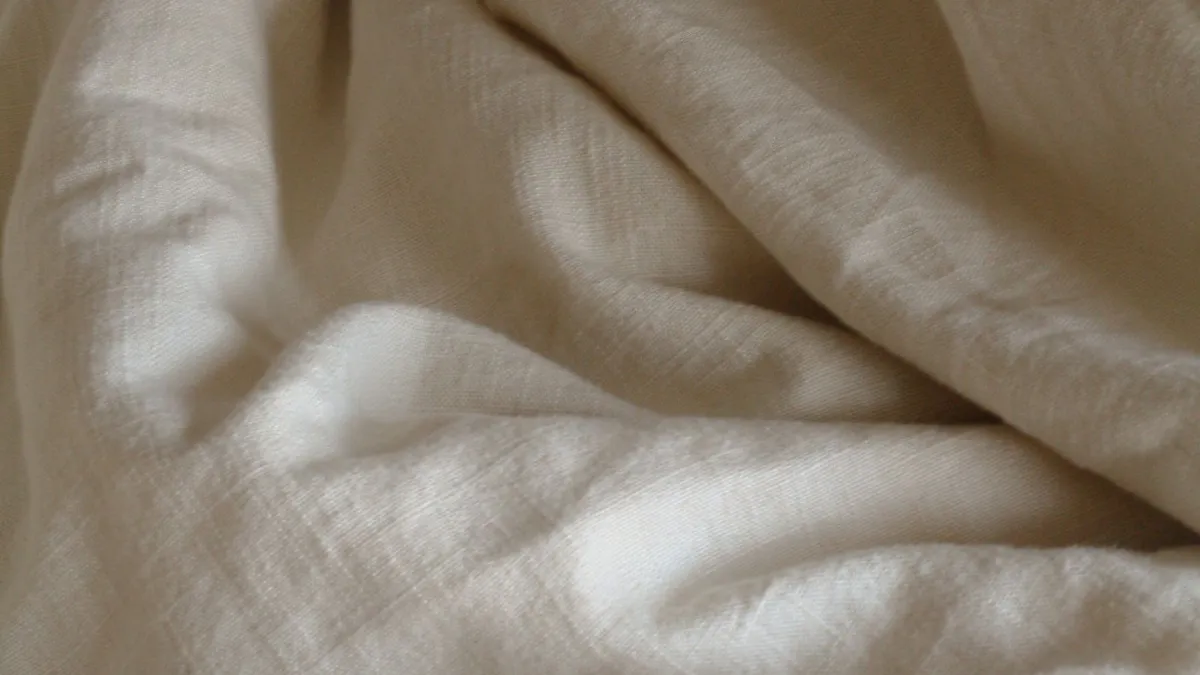
Linen feels textured and a little crisp at first, then gets softer over time. One brand explains that flax fibers break in gently without wearing out, which is why linen softens with use. Another retailer advises choosing stonewashed linen over raw linen, because raw linen can feel scratchy when it’s new. Stonewashed linen has been pre-washed to soften the fibers, so it feels comfortable from the first night.
Linen also has a natural, slightly uneven look, with a loose, rumpled texture that many people love. If you prefer a smooth, uniform feel, such as silk or sateen, linen may feel too rough. Our silk bed sheets and best duvet covers guides explain those smoother options.
How long does linen bedding last?
Linen is one of the strongest natural fibers, and good sets can last for years. One source says linen’s bast fibers are thicker and stronger than cotton, and another reports that high-quality linen sheets can last many years, even decades. Those lifespans come from sellers, so treat them as best-case claims, not guarantees.
Durability depends on quality, thread density and care. Cheap linen blends can wear faster, and rough washing shortens the life of any sheet. If you want linen to last, buy from a maker that states the fiber content clearly and washes the fabric before selling it.
Is linen bedding good for hot sleepers?
Many people find linen cool and breathable, which is why it’s popular in warm climates. The fabric is airy and lets air move through, and it dries quickly. Magic Linen and I Love Linen both publish benefit lists focused on temperature and moisture. These sellers have a reason to praise their product, so test one set before you replace everything.
In cold weather, linen can feel cool at first. Layering with a duvet or a flannel blanket helps. Our comforter vs duvet guide explains how to build a warmer bed.
How do I wash and care for linen bedding?
Opinions differ, so follow the care label first. One source says linen doesn’t need any special care and is no more demanding than cotton. Another says it needs a bit more care than bamboo and does best when air dried to prevent shrinking. A safe middle path is to wash on a gentle or normal cycle with mild detergent, avoid high heat and take the sheets out of the dryer while slightly damp.
Linen wrinkles because it has little elasticity, according to one source. You can iron or steam it for a crisp look, or leave the wrinkles as part of the style. Wash it regularly. Our how often should you wash your sheets guide covers timing.
Is linen better than cotton?
Neither is better for everyone. Linen is stronger and more textured, and it gets softer with age. Cotton, especially percale and sateen, feels smoother and costs less. The Mattress Nerd and Saatva both publish linen versus cotton comparisons, and Piglet in Bed has a guide on linen versus cotton too. Choose linen if you want a relaxed look and long wear, and cotton if you want a smooth, crisp feel.
What are the downsides of linen?
The two main downsides are wrinkling and price. One source lists the high price point as the main drawback, and another points out that linen doesn’t stretch, so it creases easily. Raw linen can also feel rough at first. If you’re unsure, buy a pillowcase or a single sheet before committing to a full set.
What does linen bedding look like in a bedroom?
Linen has a soft, slightly rumpled look that suits relaxed rooms. It comes in natural flax tones such as oatmeal, stone and gray, and in dyed colors like sage, white and navy. Because the fabric drapes loosely, a linen duvet cover looks lived in even when the bed is freshly made. Many people pair it with wood furniture, woven baskets and plain walls.
If you like the look but not the wrinkles, mix linen with smoother pieces. A linen duvet cover over cotton sheets gives texture on top and a smooth feel against your skin. Our best duvet covers guide explains how to mix weaves, and the comforter vs duvet guide covers how covers work.
Who should skip linen?
Linen isn’t for everyone. If you dislike wrinkles and don’t want to iron or steam, a crisp cotton percale may suit you better. If you want the lowest price, basic cotton or microfiber costs less. If you’re sensitive to texture, raw linen may bother you until it softens.
Think about how you sleep, too. Hot sleepers often enjoy linen’s airy feel, but anyone who runs cold may prefer flannel in winter. A good test is to buy one linen pillowcase, sleep on it for a few weeks and see how you feel before spending more.
How do I choose linen bedding?
Look for 100 percent flax linen, a stonewashed finish and clear care instructions. Check the fabric weight and the maker’s return policy. Read reviews that mention pilling, shrinking and softness after several washes. Compare prices per piece, and keep in mind that linen is an investment.
Frequently Asked Questions
Is linen bedding scratchy?
Raw linen can feel rough at first. Stonewashed linen is softer from the start.
How long does linen bedding last?
Sellers say many years, even decades, with good care. That’s a best-case claim.
Do linen sheets need special care?
Gentle washing and air drying are the safest choices.
Is linen cooler than cotton?
Many people find it cooler and more breathable, but it varies.
Why does linen wrinkle?
It has little elasticity, so it creases easily.
Conclusion
Linen bedding is strong, breathable and gets softer with age, but it wrinkles and costs more than cotton. Choose stonewashed 100 percent linen, wash it gently and decide whether the relaxed look suits you.
Most claims online come from sellers, so start small and test a piece before you buy a whole set.
Related guides
 Bedding Sets Guide: Comforter Sets vs Duvet Sets, Bed-in-a-Bag Contents and How to ChooseQuick answer: a bedding set bundles the main layers of a bed. A comforter set has a quilted comforter plus…Read more →
 Linen Sheets: Feel, Durability, Cooling, Cost and CareLinen sheets have a relaxed, slightly rumpled look that many people love. They re made from flax, one of the…Read more →
 Floor Pillows Guide: Sizes (20 to 32 Inches), Fill Types, Meditation Cushions, Covers and CleaningQuick answer: floor pillows are large cushions for sitting on the floor. A 24 inch square suits living room…Read more →
 Kids Couch Guide: Safety, Foam Density, Washable Covers, Sizes and Modular Play CouchesQuick answer: a good kids couch has rounded edges, non-toxic high-density foam, a washable removable cover and…Read more →