Wooden Dresser Guide: Solid Wood vs Veneer and How to Tell the Difference
A wooden dresser can be solid wood, wood veneer over MDF or plywood, or a “wood-look” piece made of particleboard. Solid wood is generally the choice for longevity and can be refinished. Veneer is real wood on the surface, about 0.6 mm thick according to one guide, and it usually costs less. Labels like “wood-look” and “engineered wood” can mean veneer or particleboard.
This article is part of our bedroom furniture guide, where you can compare related options.
A dresser is one of the biggest furniture buys for a bedroom, and you’ll use it every day. What it’s made of decides how long it lasts and how it looks after a few years. The labels make that hard to judge, because the same word can describe very different pieces.
This guide explains solid wood and veneer, how to tell them apart and what to check in the drawers and frame. I avoid unsourced numbers, and I mention one seller’s durability claim only as a claim.
What is the difference between solid wood and veneer?
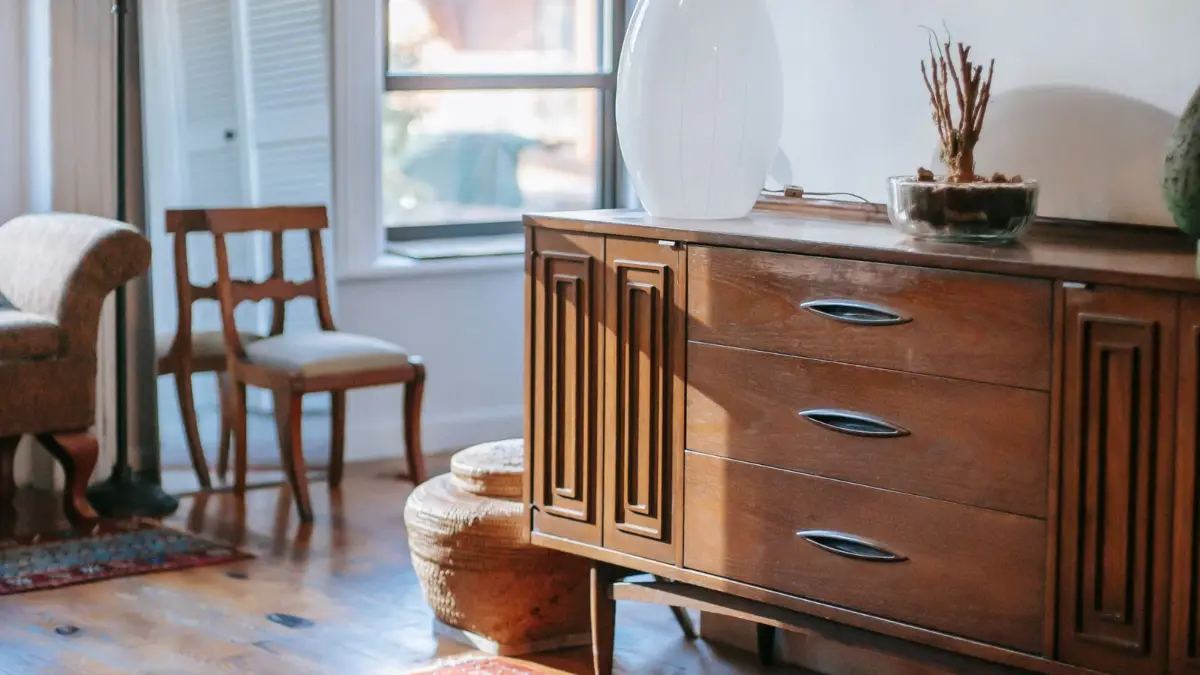
Solid wood is cut from real boards all the way through. Veneer is a thin slice of hardwood, typically about 0.6 mm thick, glued to a base such as MDF or plywood. Both have real wood on the surface, so they can look the same at first. One guide says the material affects repairability, stability, appearance and long-term value.
Solid wood can dent or scratch, but it won’t separate or lift from a base, and it can usually be sanded and refinished again and again. Veneer is often cheaper and stays stable on large flat surfaces. Its weakness is the edges, where it can peel, chip or bubble over time, especially at corners.
Does “wood-look” mean real wood?
Not always. Labels like “wood-look” or “engineered wood” can mean veneer or particleboard. One retailer advises looking for dressers described as solid wood rather than a veneer over MDF if you want a longer-lasting piece. A seller in the search claimed solid wood outlasts particleboard by three to five times. That number is unsourced, so verify it before you rely on it.
What woods are common in dressers?
Oak and pine are the most common, and they may be painted or stained to match a room. Maple and walnut also appear often in guides. Oak is strong with a visible grain, pine is softer and takes paint well, maple is hard and smooth and walnut is rich and dark. Vermont Pressbureau lists many types of dressers by style. Our mid century modern coffee table guide covers teak and walnut as well.
How can I tell solid wood from veneer?
Check the edges, the weight, the grain and the underside. Several simple tests, especially for used furniture. Veneer often shows a thin seam at the edges, and edge banding covers the unfinished edge of a veneered panel. One guide says weight is a clue, since heavy pieces are likely solid.
Look at the grain too. If the pattern repeats exactly on different parts, it may be veneer or a printed finish. Peek at the underside and the back, where raw wood or layered plywood shows what’s inside. When you can’t inspect it, ask the seller directly and request close-up photos of edges and the underside.
What should I check inside the dresser?
Drawers and joints tell you more than the label does. Dovetail joints in the drawers are a sign of quality. Smooth, full-extension glides are good, and wood-on-wood glides need an occasional waxing. Drawer stops keep the drawer from falling out.
Push on the frame to see if it wobbles, and look at the back panel. A thin cardboard back is a poor sign. Check that the hardware feels solid and the finish is even without drips.
Do wooden dressers need to be anchored?
Yes, especially in homes with children. Anchor the dresser to wall studs so it can’t tip. Our baby dresser guide explains the STURDY Act and shows how to anchor.
How do I care for a wooden dresser?
Dust it with a soft cloth and use coasters and mats. Wipe spills quickly. Keep it out of direct sun and away from heaters, and keep indoor humidity steady to reduce warping. Use polish only if the maker allows it.
What styles of wooden dresser are there?
Dressers come in traditional, mid century, farmhouse and modern styles. Traditional pieces often have carved details and bracket feet. Mid century dressers have tapered legs and clean lines, and our mid century modern coffee table guide covers the same design language. Farmhouse styles use painted or distressed finishes, and modern dressers have flat fronts and hidden pulls.
Size matters as much as style. Our 3 drawer dresser, tall dresser and dresser with mirror guides cover height and drawer layouts. Measure the wall, the doorway and the stairs before you order, because solid wood dressers are heavy.
Is a solid wood dresser worth the extra cost?
It can be, if you plan to keep it for many years. Solid wood can be sanded and refinished, so scratches and dents don’t end its life. Veneer and particleboard are cheaper and lighter, but damage is harder to fix. A seller claimed solid wood is cheaper per year of use, but that claim is unsourced, so don’t rely on it.
Think about how you’ll use the dresser. A guest room piece that sees light use may not need solid wood. A main bedroom dresser or a child’s dresser that will be moved and loaded for years may repay the extra cost. Whatever you choose, check the joints, glides and back panel, and anchor the dresser to the wall.
Frequently Asked Questions
Is veneer real wood?
Yes. It’s a thin slice of real wood on a base, typically about 0.6 mm thick according to one guide.
Is solid wood better than veneer?
Solid wood is generally better for longevity and refinishing, but it costs more.
How can I tell if a dresser is solid wood?
Check the edges, weight, grain and underside, and ask the seller.
What woods are common?
Oak, pine, maple and walnut.
What does engineered wood mean?
It can mean veneer or particleboard. Ask for details.
Conclusion
A wooden dresser lasts longest when you know what it’s really made of. Learn the difference between solid wood, veneer and particleboard, test the drawers and joints and read descriptions carefully.
Anchor the dresser to the wall and care for the finish. A well-chosen dresser can serve a bedroom for many years.
Related guides
 Dresser for Bedroom: How to Choose the Right Size, Style and Safe SetupA dresser is the workhorse of the bedroom. It holds your clothes, keeps floors clear and gives you a surface…Read more →
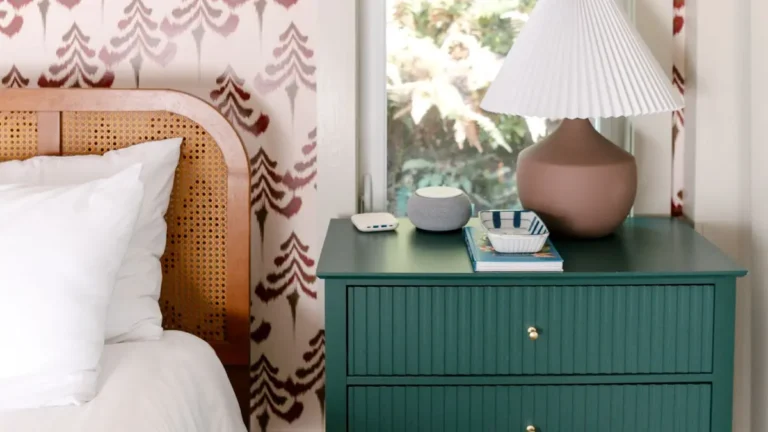 Green Dresser: Paint Choices, Shades and Bedroom PairingsA green dresser adds color to a bedroom without taking over the room. You can buy one already green or paint an…Read more →
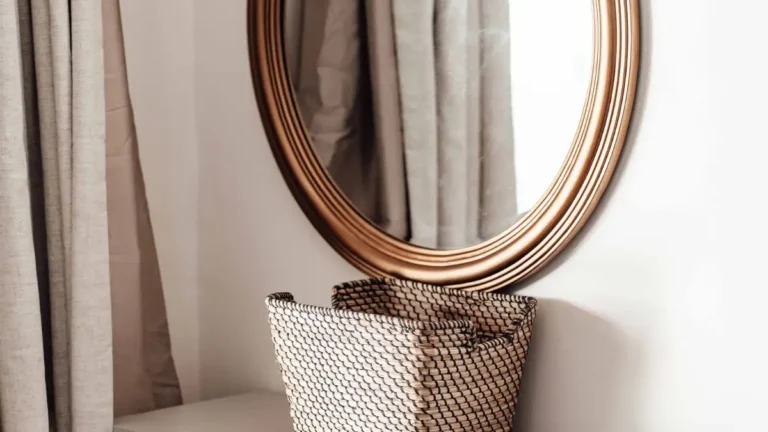 Dresser with Mirror: Attached vs Separate Mirrors, Tip-Over Safety, Anchoring and PlacementQuick answer: a dresser with a mirror is a chest of drawers with a mirror either attached to the back or sold…Read more →
 Baby Dresser Guide: Changing Table Dressers, STURDY Act, Wall Anchoring and CPSC Recall LessonsQuick answer: a baby dresser stores clothes and diapers and often doubles as a changing table with a topper.…Read more →