Linen Sheets: Feel, Durability, Cooling, Cost and Care
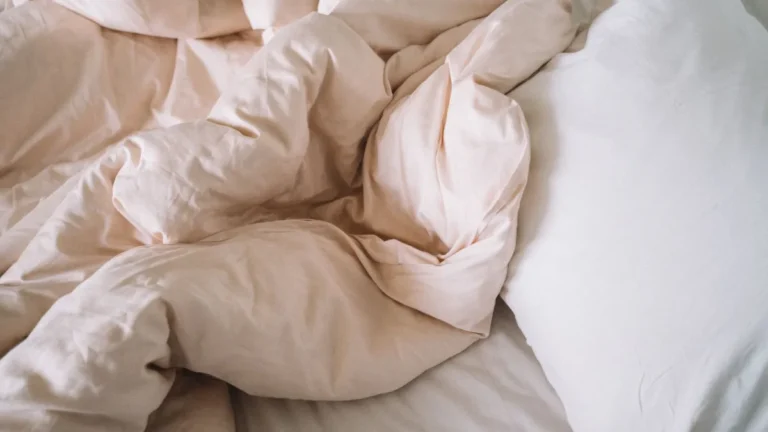
Linen sheets have a relaxed, slightly rumpled look that many people love. They’re made from flax, one of the oldest fabrics in the world. They cost more than most cotton sheets, and they feel different at first. Whether they’re worth it depends on what you like in a bed.
This article is part of our bedding guide, where you can compare related options.
Linen sheets are bedsheets made from fibers of the flax plant. The fibers are spun into thread and woven into fabric. Linen is strong and breathable, and it gets softer with every wash. It also wrinkles easily, and many people see that as part of its charm.
This guide explains how linen sheets feel, how they compare with cotton, whether they really sleep cooler, how much they cost and how to wash and soften them. You’ll also find a comparison table and answers to common questions.
What Do Linen Sheets Feel Like?
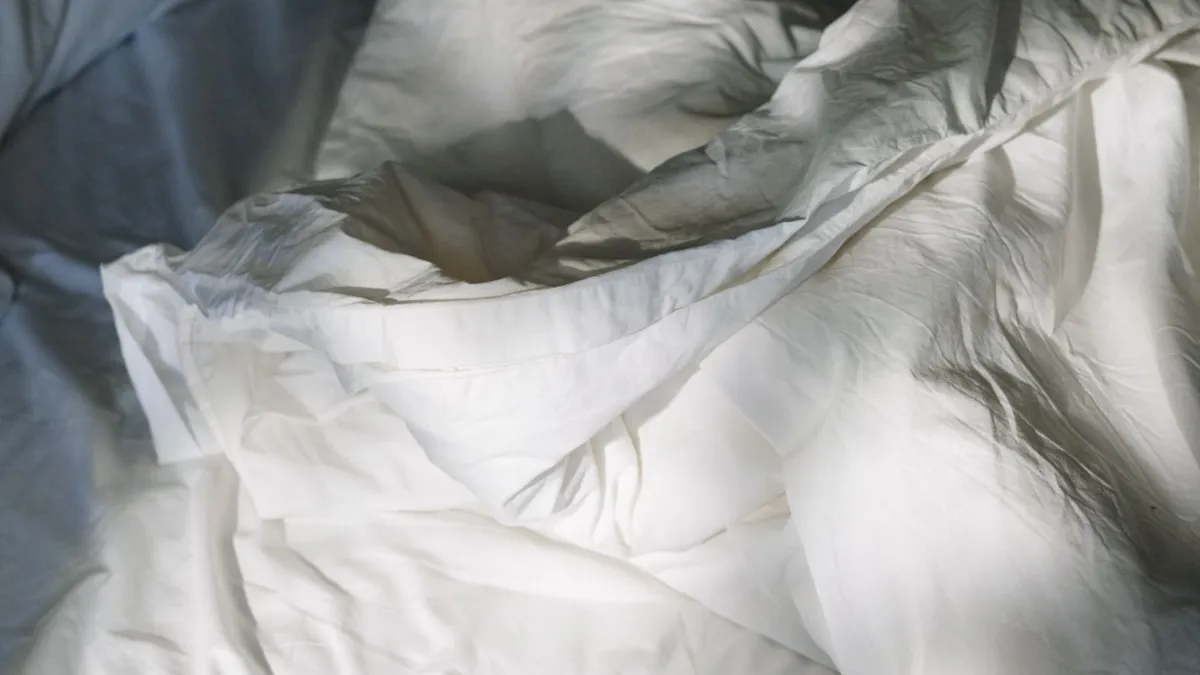
New linen can feel stiff or rough to the touch. Sleep Foundation notes that every wash makes these sheets softer. Sheets labeled “pre-washed” or “stonewashed” are often softer from the start, because the maker has already washed them.
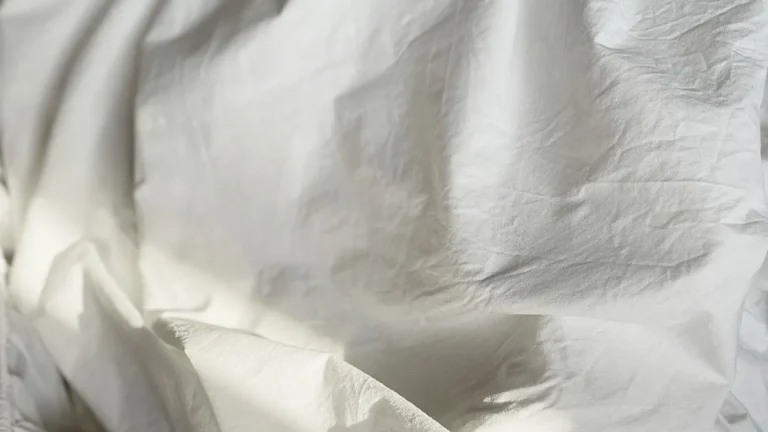
Linen has a textured, slightly crisp feel, not the smooth, slick feel of sateen cotton. Some people love it right away. Others take a few weeks to adjust. Over time, good linen becomes soft and drapey.
Linen also wrinkles. The wrinkles are part of the look. If you want a perfectly smooth bed, linen may not suit you.
Linen vs Cotton Sheets
| Feature | Linen | Cotton |
|---|---|---|
| Feel | Textured, crisp, softens over time | Varies by weave, percale crisp, sateen smooth |
| Durability | High-quality linen is long lasting | Good, depends on quality |
| Wrinkles | Wrinkles easily | Less, depends on weave |
| Temperature | Marketed as cool and breathable | Percale is cool, sateen is warmer |
| Cost | Higher | Lower, but high-end cotton can be similar |
| Colors | Fewer options | Many |
| Care | Gentle wash, low heat | Easy |
Sleep Foundation and The Company Store both rate linen as more durable than cotton. High-quality linen sheets tend to have a longer lifespan than high-quality cotton sheets, because of the nature of the material. Apartment Therapy is more cautious, noting that linen is delicate and needs careful washing.
Do Linen Sheets Sleep Cooler?
Linen is generally marketed as cooler. One retailer credits its absorbency and moisture-wicking ability. That is a vendor claim and not independent testing. Many people find linen breathable and comfortable in warm weather. Crisp cotton percale can feel just as cool to others.
If you sleep hot, linen is worth trying. But your mattress, room temperature and bedding matter too. Look at the whole bed, not just the sheets.
How Much Do Linen Sheets Cost?
Linen costs more. One retailer puts high-quality linen sheets at $200 to $350, depending on size. Cotton is usually cheaper, though high-end Egyptian cotton can be priced similarly. Prices vary by brand, size and quality, so compare sets.
Because linen lasts long, some people see the higher price as an investment. Others prefer to buy cheaper sheets and replace them sooner. Think about how long you plan to keep them.
What are the strengths and weaknesses of linen sheets?
Linen is breathable and moisture-wicking, it gets softer with each wash and it lasts when cared for. The look is relaxed and natural, and the fiber comes from a plant. The weaknesses are just as clear. Linen costs more, feels rough or stiff at first and wrinkles easily. You get fewer color choices than with cotton, some buyers find it sheds lint or feels coarse, and it needs careful washing.
How do you choose linen sheets?
Look at the fiber first. Check that it’s 100 percent linen, or know what the blend is, and check the origin of the flax if that matters to you. Choose pre-washed or stonewashed linen if you want softness right away. Then look at the weight. Heavier linen feels sturdier and lighter linen feels airy, and weight is often listed in grams per square meter (GSM). Tight weaves feel smoother.
Check the size and pocket depth so the fitted sheet fits your mattress, and see what comes in the set, usually a fitted sheet, a flat sheet and pillowcases. Read reviews for notes on softness after washing and shrinkage. Because linen is a matter of taste, check the return policy, and set a budget based on cost per year of use.
How do you wash linen sheets?
Retailers commonly recommend a gentle machine cycle and low-heat drying. Hot water can shrink linen, and gentle detergents help preserve the fibers, so follow the care label. Wash in cool or warm water on a gentle cycle with a mild detergent that has no bleach, and skip fabric softener, which can coat the fibers. Don’t overload the machine, so the sheets move freely.
Tumble dry on low heat and remove the sheets while slightly damp, or hang them to dry, since linen dries quickly. Shake them out and make the bed while they are slightly damp for fewer wrinkles. Washing linen separately from rough items helps prevent damage.
How do you soften linen sheets?
Softening happens naturally with washing. If the sheets aren’t pre-washed, wash them several times before using them. Dry on low heat with dryer balls to fluff the fabric, avoid harsh chemicals and simply use the sheets, because linen softens with regular use. Some people add a half cup of white vinegar to the rinse cycle to help soften the fabric, though results vary, so check the care label first.
The common mistakes are washing too hot, which can shrink linen, using bleach, which can weaken the fibers, and expecting silk-like softness on day one. Buying a thin, low-quality set is another trap, since quality varies a lot, and over-ironing defeats the relaxed look that wrinkles give linen.
Frequently Asked Questions
Are linen sheets worth it?
Many people think so, thanks to their durability, breathability and look. They cost more and feel different at first, so consider your budget and preferences.
Do linen sheets get softer?
Yes. Each wash makes them softer. Pre-washed or stonewashed sheets start out softer.
Are linen sheets good for hot sleepers?
They’re marketed as cooler and breathable. Many hot sleepers like them, though crisp cotton percale can be just as cool.
How long do linen sheets last?
High-quality linen sheets generally last longer than cotton ones, according to Sleep Foundation and The Company Store, if cared for properly.
How do I wash linen sheets?
Use a gentle cycle in cool or warm water, mild detergent and low-heat drying. Follow the label.
Do linen sheets wrinkle?
Yes, easily. Many people like the relaxed look.
Conclusion
Linen sheets are breathable, durable and full of character. They start out crisp and get softer with every wash. They cost more than cotton and wrinkle, which isn’t for everyone.
If you like a natural, relaxed look and plan to keep your sheets for years, linen is a strong choice. Buy pre-washed for instant softness, wash gently and enjoy the way they improve over time.
Related guides
 Cotton Sheets: Percale vs Sateen, Thread Count, Egyptian vs Pima and What to BuyCotton is the most popular sheet fiber, and the choice comes down to weave and fiber quality. Percale is a…Read more →
 Linen Bedding: Softness, Durability, Care and Whether It’s Worth ItLinen bedding is made from flax fibers, and it s known for being strong, airy and softer with every wash. It…Read more →
 Best Cooling Sheets: Linen, Percale, Tencel and Bamboo Compared for Hot SleepersIf you wake up hot, damp and kicking off the covers, your sheets might be part of the problem. Some sheets feel…Read more →
 Kids Couch Guide: Safety, Foam Density, Washable Covers, Sizes and Modular Play CouchesQuick answer: a good kids couch has rounded edges, non-toxic high-density foam, a washable removable cover and…Read more →