
Mid-Century Modern Style: Furniture, Colors, Materials and How to Use It
Mid-century modern is one of the most popular interior styles today, and it’s easy to see why. The furniture is simple, comfortable and built to last, and it mixes well with other looks. Whether you love a tapered-leg sofa or a walnut sideboard, understanding the style helps you add it with confidence.
Mid-century modern is a design style based on furniture and architecture from roughly the 1940s to the 1960s. It is known for clean lines, gentle curves, tapered legs, natural wood and a mix of materials like metal, glass and molded plastic. The name is a modern label for the period, not a strict rule.
This guide explains the main features of the style, the furniture shapes to look for, the typical colors and materials and how to mix it with what you own. It also covers how to avoid a “museum” look and what to check when you buy vintage or reproduction pieces.
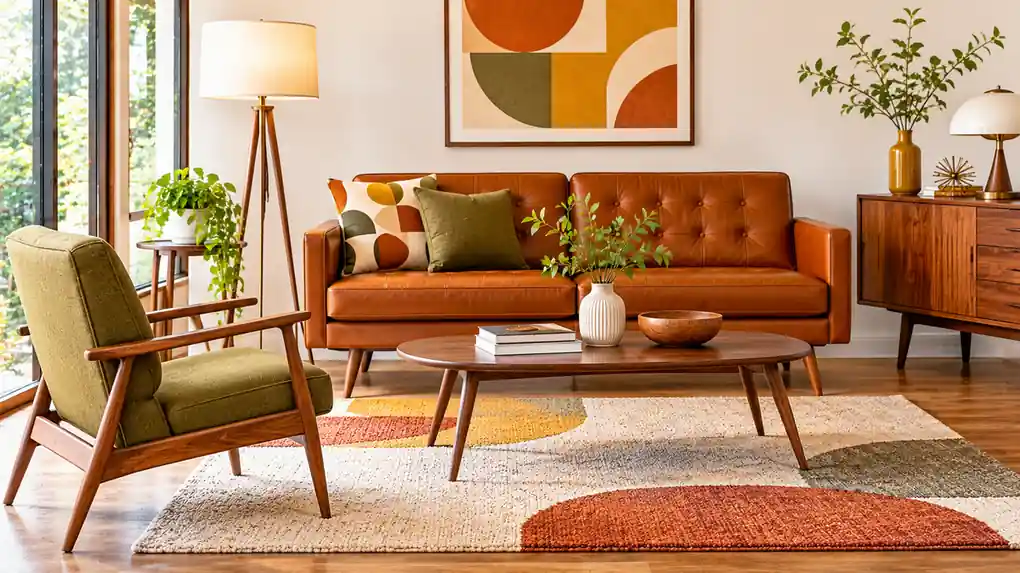
What defines mid-century modern?
The style grew after the Second World War, when designers explored new materials and methods. They wanted furniture that was simple, useful and affordable, and homes with open plans and large windows. The result was a look that values function and honest materials over decoration.
Common features include clean, uncluttered lines, low profiles, organic curves and tapered or splayed legs. Wood is often left visible, and joints are shown instead of hidden. Pieces tend to be lightweight in look, even when solid, because legs lift furniture off the floor and let you see underneath.
The style also likes a bit of playfulness. You may see molded chairs in bright colors, sculptural lamps or a sunburst clock. The mix of calm shapes and a few bold touches is a big part of its appeal.
Which furniture shapes should you look for?
Look for sofas and chairs with low backs, slim arms and tapered wooden legs. Tufted or button details appear in some designs, but they’re usually restrained. Armchairs with a curved wood frame and a simple cushion are a classic.
Case pieces, like sideboards and dressers, often have flat fronts, tapered legs and subtle pulls or finger grooves. Coffee tables may be round, oval or a soft “kidney” shape with a wood top and slim legs. Dining tables are simple, often with a round or oval top and a pedestal or tapered legs.
Lighting adds character. Look for arc lamps, globe pendants, sputnik-style chandeliers and simple table lamps with ceramic bases. A few of these will carry the style without overwhelming the room.
What colors and materials fit the style?
The palette mixes warm wood tones with earthy colors and pops of brights. Typical colors are olive, mustard, burnt orange, teal and warm brown, alongside creams and soft grays. Black and white appear often for contrast.
Materials include walnut, teak, oak and rosewood on wood pieces, along with brass, steel and chrome for details. Glass, ceramic, wool, linen and leather are common, and molded plastic or fiberglass appears in chairs from the period.
Don’t copy the palette exactly. Pick two or three colors and repeat them, so the room feels planned. A neutral base lets the wood and a few strong accents stand out.
How do you use it without a dated look?
Mix it with other styles. A mid-century sofa in a modern room, or a walnut sideboard in a Scandinavian one, looks fresh. Add contemporary rugs, plants and art to keep the room current.
Choose a few statement pieces and keep the rest simple. A room full of period furniture can feel like a set. Use one or two classics, like an armchair and a lamp, and add modern accents.
Keep the rest of the room clear. The style looks best with room to breathe, so avoid heavy curtains, busy patterns and too many knickknacks. A clean wall with one piece of art sets off the furniture nicely.
What should you check when buying vintage or reproductions?
Authentic vintage pieces can be wonderful, but they need a careful look. Check the joints, the legs and the frame for cracks and wobble. Look for repairs, and ask about the finish and any refinishing. Solid wood and well-made joints are good signs.
Reproductions and “inspired” pieces cost less and are easier to find. Check the materials, since some use veneer or thin boards. Read the specs for wood type, weight rating and finish, and look at reviews for build quality.
Be careful with claims. A listing may call a piece “authentic” or “designer” without proof. Ask for provenance or a maker’s mark, and be wary if the price seems too low for what is claimed.
How do you style a mid-century living room?
Start with a sofa in a solid color, like olive, rust or a warm gray, with wooden legs. Add one or two armchairs in a different color or fabric. Place a round or oval coffee table in the center, and a slim sideboard along a wall.
Use a rug with a geometric or abstract pattern to define the seating area. Hang a sunburst mirror or abstract art above the sofa. Add a floor lamp that arcs over the seating, and a few plants in simple pots.
Keep the colors in a limited range, and let the wood grain show. Add texture with a wool throw or a linen cushion. Leave some open floor and wall space so the shapes can be seen.
What about a mid-century bedroom or dining room?
In a bedroom, choose a platform bed or a simple wood frame with a low headboard. Add matching nightstands with slim legs and a dresser with a flat front. A wool blanket in a warm color and a simple lamp finish the look.
In a dining room, a round or oval wood table with tapered legs sets the style. Pair it with molded chairs or wood chairs with curved backs. A sideboard and a globe pendant above the table complete the scene.
In both rooms, keep walls calm. A soft white or a muted color is a good backdrop, and one accent wall in a deeper tone can add interest without taking over.
How do you care for mid-century wood furniture?
Wood pieces from this style are often finished with oil or a thin lacquer, so gentle care keeps them looking good. Dust with a soft cloth, and wipe spills quickly. Avoid harsh sprays, which can strip an oil finish, and use coasters and mats to prevent rings and heat marks.
Keep wood away from direct sun and heat, which can fade or dry it out. Oiled wood may benefit from a light coat of a suitable furniture oil once or twice a year, though you should check the maker’s advice first. If a vintage piece has deep scratches or a wobbly joint, a repair specialist can often fix it without losing the character of the piece.
What mistakes should you avoid?
The most common mistake is buying everything from one era. The room can feel like a showroom. Mix in pieces from other styles, and add personal items.
Another is ignoring scale. Mid-century pieces are often lower and slimmer than modern ones, so measure and check that the proportions suit your room. A third mistake is choosing very trendy colors for large items. Keep big pieces neutral and add color through small items.
Finally, don’t overpay for a label. Check quality and comfort first, then style.
Frequently Asked Questions
What years is mid-century modern?
The style is commonly linked to the 1940s through the 1960s.
What colors are mid-century modern?
Olive, mustard, burnt orange, teal and warm brown, with creams, grays and black and white.
What wood is used in mid-century furniture?
Walnut, teak, oak and rosewood are common, often with visible grain.
Can I mix mid-century modern with other styles?
Yes. It pairs well with Scandinavian, modern and even rustic looks.
How can I tell if a piece is well made?
Check the joints, legs and frame for stability, look at the materials and read the specs and reviews.
Conclusion
Mid-century modern combines simple lines, natural wood and a few bold touches. Choose a few statement pieces, keep the palette small and let the room breathe. Mix the style with newer items to keep it fresh.
When you shop, check the construction and the materials, whether the piece is vintage or new. A well-chosen chair or sideboard can anchor a room for years.
Related guides
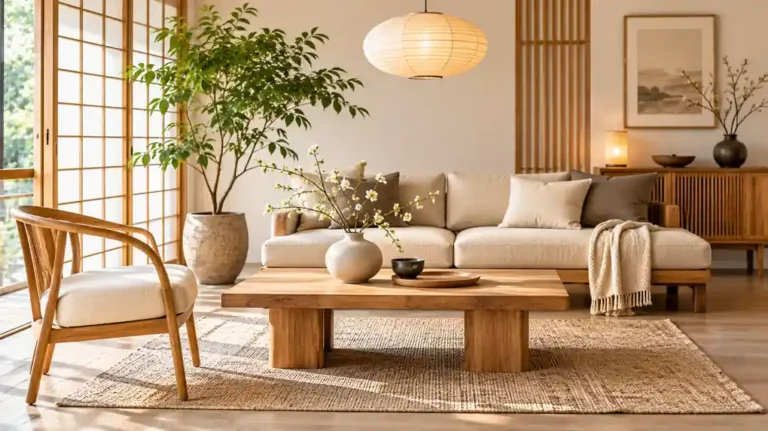 Japandi Style: Colors, Furniture, Materials and How to Get the LookJapandi is a calm, simple style that blends Japanese and Scandinavian design. It suits people who like clear…Read more →
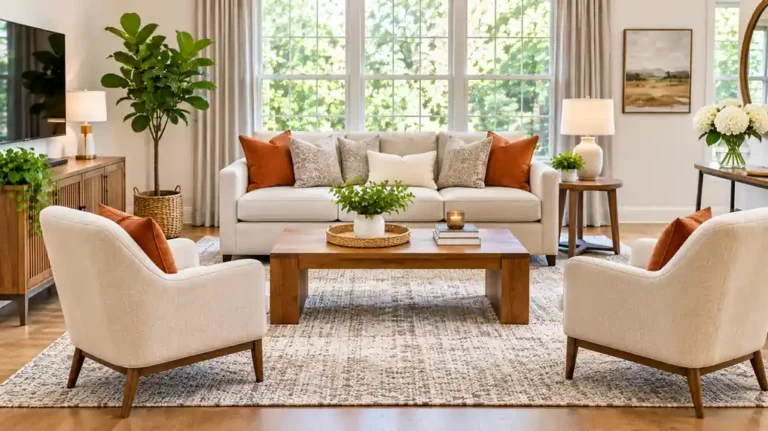 How to Arrange Furniture in a Living Room: Layouts, Spacing and FlowA living room can have good furniture and still feel awkward if the pieces are in the wrong places. The right…Read more →
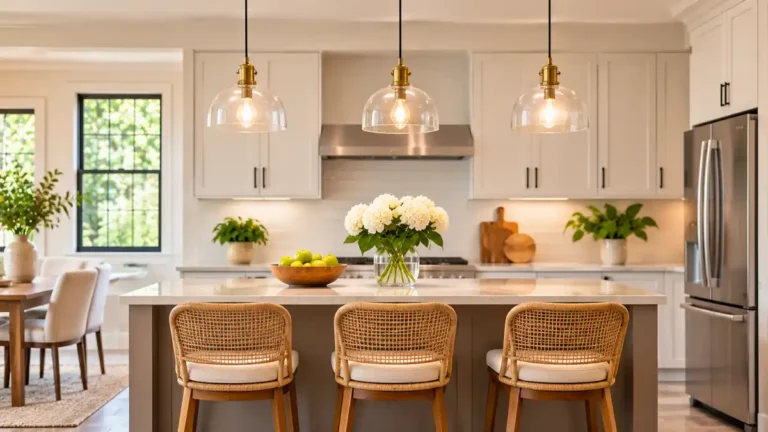 Pendant Light Height: How High to Hang Over Islands, Tables and StairsA pendant light can make a room look finished, but only if it hangs at the right height. Too high, and it looks…Read more →

One Comment