Sleeper Sectional Guide: Pull-Out Mechanisms, Mattress Comfort, Sizes, Storage and Fit
A sleeper sectional is a sectional sofa with a hidden bed. By day it is a big, comfortable seating area for the family. At night it turns into a guest bed, often with extra storage in the chaise for blankets and pillows. For homes that host guests but do not have a guest room, it solves two problems with one piece of furniture.
This article is part of our sofa and couch buying guide, where you can compare related options.
But a sleeper sectional is also a large, heavy piece, and the bed part is not always the best part. Mattress comfort, the pull-out mechanism, the size when open and the room it needs are all things to check. Search results for this topic were mostly low-quality duplicate pages, so this guide uses the few points that appeared consistently and general knowledge. Always verify mattress dimensions, weight capacity and warranty with the maker.
What Is a Sleeper Sectional?
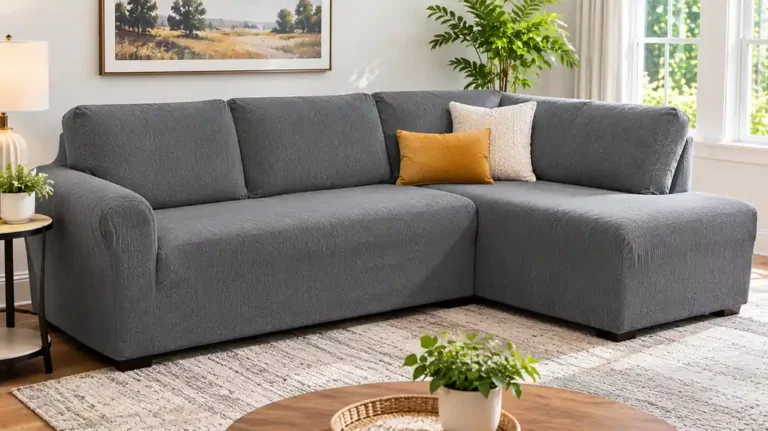
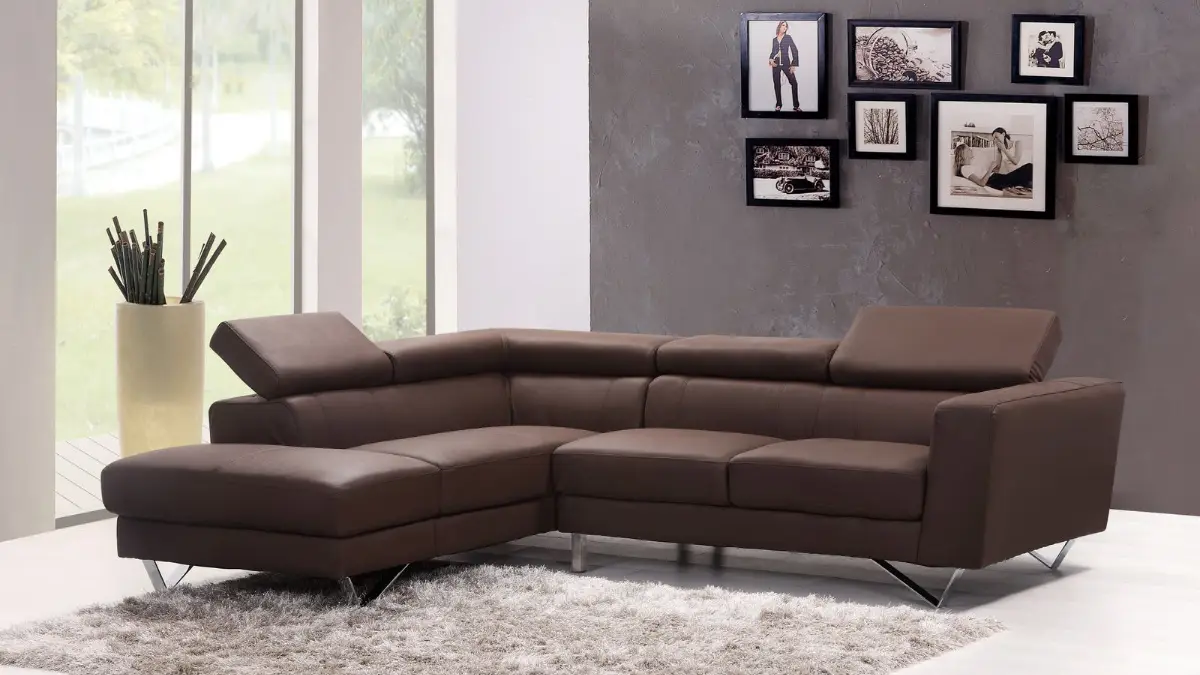
A sleeper sectional is a modular or fixed sectional sofa that includes a fold-out or pull-out bed in one section. Often the bed is in the main sofa part, and the chaise or ottoman section holds storage. Some have a bed in the chaise. Sizes range from twin to queen, and larger bed sizes need larger sofas.
It differs from a regular sofa bed because the sectional shape gives you more seating and often a chaise. See the sofa bed couch guide for the basics of mechanisms. For the sectional shape, see the L-shaped couch and U-shaped sectional guides.
Mechanisms
The two common formats are a fold-out mattress and a pull-out trundle.
Fold-out (pull-out) bed: the seat cushions come off, and you pull a frame with a folded mattress out from the sofa and unfold it. One source says a folding model can give you a queen-sized bed. It gives a real mattress surface but is heavy and takes floor space. Pull-out trundle: a bed that slides out from under the sofa or chaise on wheels. One source says a pull-out trundle style provides space for sleeping smaller. It is easier to open, but smaller. Chaise that converts: the chaise lifts or slides out to extend the seat into a bed. Click-clack or lift-up: the backrest folds flat.
One source advises looking for an easy-to-use mechanism that lifts and unfolds the mattress with minimal effort. Test the mechanism in a store, and try opening and closing it a few times.
| Mechanism | Bed size | Ease of use | Note |
|---|---|---|---|
| Fold-out | Up to queen | Heavy | Real mattress |
| Pull-out trundle | Smaller (twin-ish) | Easier | Compact |
| Convertible chaise | Varies | Medium | Combines seating and bed |
Mattress Comfort
Mattress quality drives comfort, so it is the first thing to check. Sources suggest: Innerspring or memory foam, chosen based on lifestyle and how many people you plan to accommodate. Innerspring mattresses offer traditional support but may feel firm to people with back issues. Gel or memory foam run cooler than traditional foams, according to one source. Thickness. Sofa bed mattresses are thinner than regular mattresses because they fold. Thicker is more comfortable, but heavy. Bars and springs. Test for pressure from the frame. Mattress topper. A topper can improve comfort. See the mattress topper guide.
Sitting on and lying on the sofa in a store and asking a salesperson to let you try it out. Plan to lie on the open bed for a few minutes.
Sizes
Sizes reportedly range from twin to queen.
Twin. For one guest or kids. Fits smaller sofas. Full. A small couple or a single who likes space. Queen. The most common for couples. Needs a larger sofa and more room when open.
Measure the length too. Tall guests need to check that the bed is long enough. Sleeper mattress dimensions may differ slightly from standard sizes.
Measuring for Fit
Fit matters more with a sleeper sectional than any other sofa.
- Measure the room where the sectional will sit.
- Measure the sectional in sofa mode: width of each side, depth and height.
- Measure it open. One source notes it is important to ensure the sofa bed fits comfortably in your space when the mattress is pulled out, and it should allow enough space for walking around the mattress.
- Tape the footprint of the open bed on the floor.
- Check doors and furniture that might block the pull-out.
- Measure the delivery path, including doorways, halls, stairs and elevators.
- Check ceiling height for fixed backs.
Plan for at least a couple of feet of walking space beside the open bed.
Storage
Storage typically takes the form of a chaise compartment or drawers. One source says certain sectional sofas can store the mattress underneath the chaise or in the frame when not in use. Another notes some sleeper sectionals have hidden storage compartments underneath the chaise, while others may include drawers near the armrests.
Bedding storage is useful for guests: keep sheets, a blanket and pillows in the chaise so you can make the bed quickly. A lift-top chaise is a common option. Check the storage capacity and how easy it is to reach. See the storage ottoman guide for other ideas.
How Often Will You Use It?
One source suggests deciding whether you want your sleeper sectional to function as both a couch and a bed, or only as an occasional sofa.
Occasional guests. A standard sleeper mattress is fine. Regular guests or daily sleeping. Choose a higher-quality mattress and a stronger frame. A real bed may be a better choice. Kids’ sleepovers. A smaller bed may be enough.
Daily use wears the mechanism and mattress faster.
Frame and Build Quality
One source advises choosing a sofa with an enduring frame. Look for: hardwood or kiln-dried wood frames; steel mechanism parts; strong joints; high-density foam cushions; weight capacity for the sofa and the bed; a warranty for the frame and the mechanism.
Cheap sleeper sectionals can have weak mechanisms. Ask about the warranty and the replacement parts.
Fabric and Care
Choose a fabric that suits your household: performance fabrics, leather or microfiber for kids and pets. Removable covers are practical. Vacuum regularly, rotate cushions and use a mattress protector on the sleeper mattress. See the mattress protector and leather recliner guides for care ideas.
What are the main strengths and weaknesses?
On the plus side: seating and a guest bed in one piece; chaise storage for bedding; saves the cost and space of a separate guest bed; comfortable for family movie nights. On the downside: large and heavy; mattress thinner than a regular bed; needs lots of floor space when open; costs more than a regular sectional; mechanism can wear out.
How to Choose a Sleeper Sectional
Decide how often you will use the bed. Measure the room, doorways and open-bed space. Choose a bed size: twin, full or queen. Choose the mechanism: fold-out, trundle or convertible. Check the mattress type and thickness. Check storage. Test it in a showroom if you can. Check the frame, weight capacity and warranty. Pick a fabric for your household. Read reviews for notes on comfort and mechanism problems.
What mistakes should you avoid?
A few common mistakes are worth avoiding: not measuring the open bed; ignoring delivery access; choosing a thin mattress for regular use; skipping the mechanism test; forgetting bedding storage; overlooking the warranty.
Frequently Asked Questions
What size bed does a sleeper sectional have?
Sizes reportedly range from twin to queen.
Are sleeper sectionals comfortable?
Depends on the mattress and frame. Test it, and consider a topper.
Do sleeper sectionals have storage?
Many have chaise compartments or drawers.
How much space do I need?
Enough for the open bed plus walking space. Measure with the bed open.
Can I sleep on it every night?
Most are made for occasional use. For daily sleeping, choose higher quality or a regular bed.
Which mattress is best?
Memory foam and gel run cooler. Innerspring is traditional and may feel firmer.
Is a sleeper sectional heavy?
Yes. Plan for delivery and moving.
Conclusion
A sleeper sectional gives you a large living room seat and a guest bed in one piece. Think about how often guests will sleep on it, measure for the open bed and delivery path, and check the mattress, mechanism and frame.
Test it if you can, and use a topper and good bedding. With the right choice, one sectional can serve your family and your guests.
Related guides
 Sectional Sleeper Sofa Guide: Pull-Out Bed Types, Mattress Options, Chaise, Size and What to TestQuick answer: a sectional sleeper sofa is an L-shaped or modular sofa with a hidden pull-out bed. Choose the…Read more →
 Loveseat Sleeper Guide: Sizes, Mattress Types and How to MeasureA loveseat sleeper is a small sofa with a bed folded inside. Standard loveseats run about 52 to 72 inches wide,…Read more →
 Small Sectional Guide: Apartment Sizes, Chaise Length, How to Measure and Delivery ChecksQuick answer: a small sectional is an apartment-sized L-shaped sofa. A true apartment sectional is typically 78…Read more →
 Floating Wall Shelves: Weight Capacity, Studs, Brackets and InstallationA floating shelf hides its brackets, so it looks like it s hovering on the wall. How much it can hold depends…Read more →