Loveseat Sleeper Guide: Sizes, Mattress Types and How to Measure
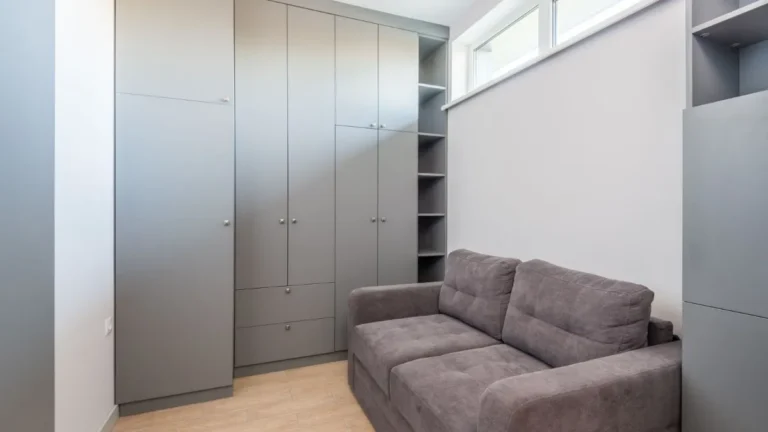
A loveseat sleeper is a small sofa with a bed folded inside. Standard loveseats run about 52 to 72 inches wide, and sleeper versions come in twin, full and queen sizes. Before you buy, measure the closed size, the fully opened bed and your doorway. Also check the mattress type, since that decides whether guests sleep well.
This article is part of our sofa and couch buying guide, where you can compare related options.
It gives you seating by day and a guest bed by night, in less space than a full sofa bed. That suits studios, home offices, dens and guest rooms. But sleepers vary a lot. The mattress can be thin or thick, the mechanism smooth or stiff, and the open size can catch you off guard.
This guide covers sizes, open versus closed dimensions, mattress types and what to test before buying. Confirm exact specs with the maker.

How big is a loveseat sleeper?
Most loveseat sleepers measure between 52 and 72 inches wide when closed. One guide says standard loveseats are about 52 to 72 inches wide and about 30 to 40 inches deep, though compact and oversized styles fall outside that range. Living Spaces lists twin sleepers at roughly 52 to 56 inches wide and full convertibles at about 67 to 72 inches. It lists queen-size sleeper sofas at 86 inches, which is a full sofa, not a loveseat.
A sleeper’s closed width follows its mattress size closely. A twin bed needs a narrow body, and a queen needs a long one. Our small sofa guide covers loveseat sizes in general, and the twin mattress dimensions guide covers bed sizes.
What is the difference between open and closed size?
The closed size is how much floor the sofa uses, and the open size is how much it needs as a bed. One guide tells you to measure the spot where the loveseat will go and also the area where the bed will extend. A pull-out mattress adds a lot of depth, so read the open dimensions on the listing. Leave room to walk around the bed and open nearby doors.
Measure the doorways, hallways and stairs too. Some models ship as a “sofa in a box” so they can fit tight delivery paths. If the arms or legs come off, that helps with moving.
What kind of mattress does a loveseat sleeper have?
Most use memory foam or innerspring, and foam is usually more comfortable. A Canadian guide notes that makers now offer several options beyond the thin, notoriously uncomfortable mattresses of the past. Best Buy Furniture describes a typical current setup as a bi-fold queen memory foam mattress. Innerspring mattresses can feel firmer and bouncier, and on thin models you may feel the support bar.
Some sleepers hide the mattress inside the frame, which is easier to use but may mean removing the top cushions first. Others use a separate mattress. Thicker is generally more comfortable, but it needs a stronger frame. A mattress topper can add comfort, and our mattress topper guide covers that.
How does a loveseat sleeper compare with a futon?
A sleeper has a true pull-out mattress, while a futon folds flat. Best Buy Furniture says futons are thinner to store and usually cheaper, but they’re firmer and less bed-like than a sleeper’s pull-out. A futon works for short stays and tight budgets. A sleeper gives guests a more bed-like feel. Our futon sofa bed and rollaway bed guides cover those options.
What should I test before buying?
Test the mechanism, the seat and the frame. Open and close the bed a few times. It should move smoothly without a hard yank, and it shouldn’t pinch fingers. Sit on the cushions, then lie on the opened mattress for a few minutes if the store allows it.
Check the frame for hardwood or metal, because particleboard wears faster. Read reviews for squeaks and for how the bed feels after a few months. Ask about the weight limit, since I didn’t find reliable weight data in the sources.
Is a loveseat sleeper good for everyday sleeping?
It’s best for guests and short stays. The mattress and frame are made to fold, so they rarely match a regular bed for support. If someone will sleep on it every night, choose a better mattress setup or a regular bed.
Which size sleeper should I choose?
Choose the size by who will sleep on it and how often. A twin sleeper suits one guest or a child and keeps the footprint small, about 52 to 56 inches wide according to Living Spaces listings. A full convertible, around 67 to 72 inches wide, fits one adult comfortably or two for a night. Queen sleepers are sofa-sized at 86 inches, which means they aren’t a true loveseat and need a bigger room.
If your guests are couples, consider a full or queen sleeper instead of forcing two adults onto a twin. If you mainly want a spot for a teen’s friends or a nap, a twin is plenty. Always check the listed bed dimensions as well as the sofa dimensions, since the sleeping surface can be smaller than you expect.
How do I care for a loveseat sleeper?
Keep the mechanism clean and dry. Vacuum along the seams, and check that nothing sits in the folding path before you open or close the bed. Open and close it gently, with both hands, instead of yanking it. Fold the mattress back the way the maker shows, because a crooked fold can wear the mattress and the frame.
Pick fabric that suits your household. Performance fabrics and leather wipe clean, and our couch covers for dogs guide has ideas if you have pets. Use a mattress protector and fitted sheets that suit the mattress thickness. If the bed starts to squeak or stick, look at the maker’s care notes or call the seller before forcing it. Light, regular care keeps a sleeper working for years.
Frequently Asked Questions
How wide is a loveseat sleeper?
Twin sleepers are about 52 to 56 inches wide, and full ones about 67 to 72 inches.
What mattress is best for a loveseat sleeper?
Memory foam is often more comfortable than thin innerspring.
How do I measure for one?
Measure the closed size, the opened size and the doorway.
Can I sleep on one every night?
It’s designed for guests and short stays.
Is a futon better?
A futon is cheaper but firmer.
Conclusion
A loveseat sleeper is a smart way to get seating and a guest bed in one piece. Measure both sizes, check the mattress and test the mechanism.
Retail guides have a commercial interest, so confirm every spec with the maker. The right model keeps guests comfortable and your living room tidy.
Related guides
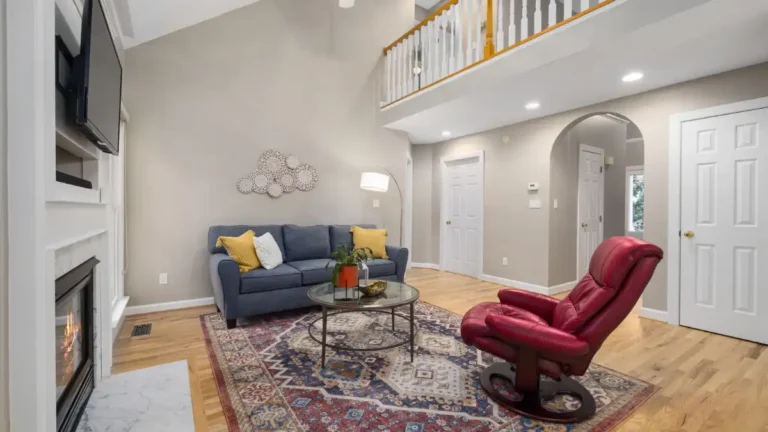 Loveseat Recliner Guide: Wall-Hugger Clearance, Console Models, Dimensions and Power vs ManualQuick answer: a loveseat recliner is a two-seat sofa where each seat reclines. Wall-hugger models need only…Read more →
 Sleeper Sectional Guide: Pull-Out Mechanisms, Mattress Comfort, Sizes, Storage and FitA sleeper sectional is a sectional sofa with a hidden bed. By day it is a big, comfortable seating area for the…Read more →
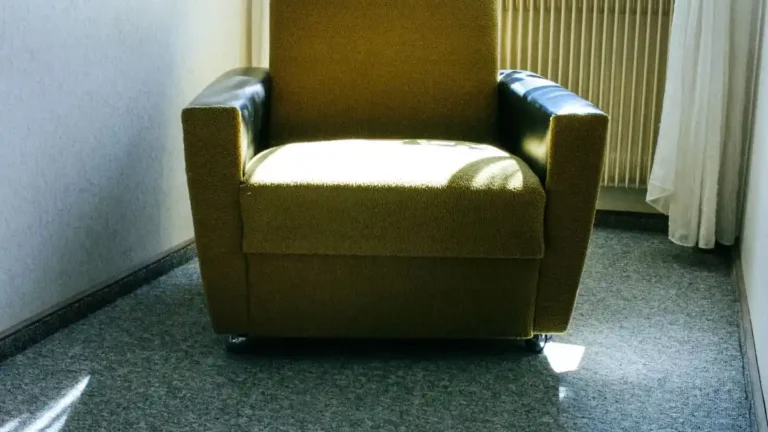 Sleeper Chair Guide: Sizes, Comfort, Sleeper Chair vs Sofa Bed and How to ChooseA sleeper chair is a chair by day and a small bed by night. It fits in rooms where a sofa bed would be too big:Read more →
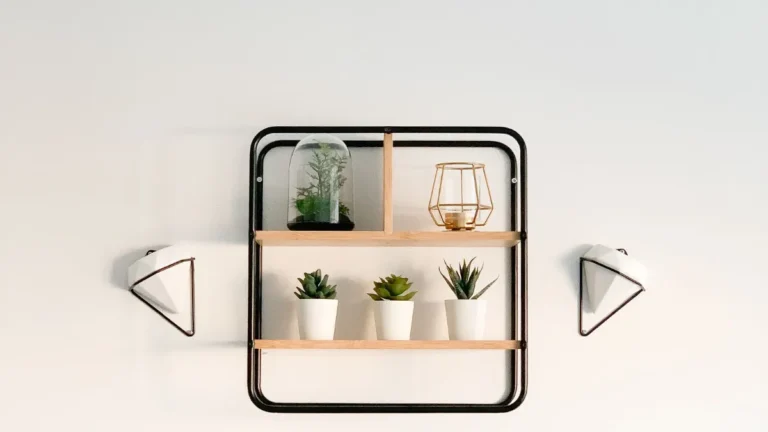 Floating Wall Shelves: Weight Capacity, Studs, Brackets and InstallationA floating shelf hides its brackets, so it looks like it s hovering on the wall. How much it can hold depends…Read more →