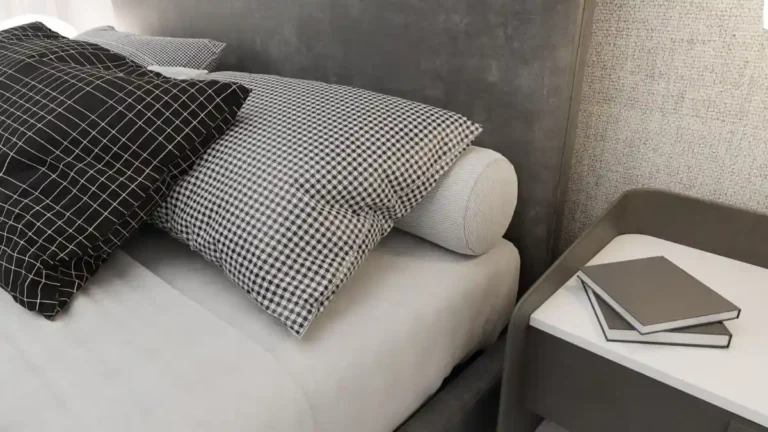
Bed Sheets: Percale vs Sateen, Thread Count, Cooling Sheets and Care
Sheets are the part of your bed you touch all night. The right set feels crisp or silky, keeps you at a comfortable temperature and survives hundreds of washes. The wrong set pills, traps heat or slides off the corners of your mattress by morning.
This article is part of our bedding guide, where you can compare related options.
Bed sheets are the fabric layers that cover your mattress and sit between you and your blanket. A standard set has a fitted sheet, a flat sheet and pillowcases. The fiber, weave and thread count decide how the set feels and how long it lasts.
This guide explains weaves, thread count, fibers, cooling options, sizing and care. It does not rank brands, because a fair ranking needs hands-on testing. Instead, it helps you choose the best sheets for your own sleep. You’ll also find a comparison table, a checklist and answers to common questions. It also covers what people search as “best sheets” and “cooling sheets.”
What a Sheet Set Includes
Fitted sheet. Has elastic corners and fits over the mattress. Flat sheet. A plain rectangle that goes on top. Some people skip it and sleep under a duvet or cover. Pillowcases. Usually two in a set, sometimes four for king sets.
Check what’s in the set before you buy. Some sets include only a fitted sheet and one or two pillowcases.
Percale vs Sateen
These are the two most common cotton weaves, and the choice matters most for feel and temperature.
Percale: a plain, tight weave with a crisp, matte finish. One source says its closely knit plain weave makes it breathable and less likely to pill. It feels cool and airy, like a fresh hotel sheet. It wrinkles easily and can feel less warm in cold weather. Sateen: a weave that exposes more of the thread’s surface, giving a silky, smooth feel with a slight sheen. It’s slightly heavier than percale. One source suggests sateen might retain more heat than percale. It drapes well and feels cozy in cooler months.
| Feature | Percale | Sateen |
|---|---|---|
| Feel | Crisp, matte | Silky, smooth |
| Temperature | Cooler | A bit warmer |
| Wrinkles | More | Less |
| Pilling | Less likely | Can pill with wear |
| Best for | Hot sleepers, warm climates | Cooler rooms, a soft feel |
One source suggests a seasonal approach: percale for summer and sateen for winter.
Does Thread Count Matter?
Thread count is the number of threads woven into one square inch of fabric. Higher isn’t automatically better. One guide notes that very high numbers may include multi-ply threads, which do not ensure improved comfort.
Suggested ranges vary by source. One gives 180 to 300 for percale and 300 to 600 for sateen. Another gives 200 to 400 for percale. The quality of the fiber and the weave matter more than the number alone.
For hot sleepers, lower counts can help. One source observes that the higher the thread count, the heavier and warmer the material. Don’t chase a huge number. Look for a good fiber and a weave that suits you.
Fibers and Materials
Cotton: the most common fiber. Long-staple cotton, such as Egyptian, Pima or Supima, is often cited as a quality marker. One source says high-quality long-staple cotton, with a suitable weave structure, provides superior comfort and durability. Linen: textured, breathable and long lasting. It softens with every wash and wrinkles easily. See the linen sheets guide for more. Bamboo-derived (viscose or lyocell): silky and smooth. Quality and environmental impact vary. See the bamboo sheets guide. Tencel (lyocell): a fiber made from wood pulp, not cotton. Marriott’s guide suggests that for cooling, you can try percale or Tencel. Microfiber (polyester): low in cost and wrinkle resistant. It can feel warm, so it’s less popular for hot sleepers. Flannel: brushed cotton that feels warm and cozy in winter. Silk: luxurious and smooth. It needs gentle care.
Cooling Sheets: What Actually Helps?
If you sleep hot, think about the following.
Weave. Percale is the usual pick for hot sleepers because it’s breathable. Fiber. Cotton, linen, Tencel and some bamboo-derived fabrics feel cool to the touch. Thread count. Lower counts within a good range feel lighter. Weight. Lighter fabrics let air move. Whole bed. Your mattress, pillow, blanket and room temperature matter as much as the sheets. Marketing claims. “Cooling” labels vary. Read reviews from people who sleep hot.
Cool-to-the-touch is not the same as staying cool all night. A fabric can feel cool at first and warm up as you lie on it. Breathability matters more for the whole night.
Sheet Sizes and Fit
Sheets match mattress sizes: twin, twin XL, full, queen, king and California king. A king sheet won’t fit a California king, and a twin sheet won’t fit a twin XL. Check the label.
Pocket depth: matters. Standard fitted sheets fit mattresses up to about 14 inches. If your mattress is thicker, or you use a topper, look for deep-pocket sheets. Measure the full height of your mattress and any topper.
If your sheets slip off in the night, try sheet suspenders, corner straps or a better-fitting set.
How to Choose Bed Sheets
Decide on your sleep temperature. Hot sleepers lean toward percale, linen or Tencel. Cold sleepers lean toward sateen or flannel. Pick the fiber. Long-staple cotton is a safe choice. Check the weave. Percale for crisp, sateen for silky. Look at the thread count range. Avoid inflated numbers. Check the size and pocket depth. Check certifications. OEKO-TEX Standard 100 is a common label for tested textiles. Read the care label. Make sure you can wash them easily. Check the return policy. Feel is personal. Buy a second set. Rotating sets makes them last longer. Set a budget. Compare cost per year of use.
How to Wash and Care for Sheets
Wash new sheets before first use. Use warm or cool water, a mild detergent and a normal or gentle cycle. Check the label. Skip fabric softener, which can coat fibers. Don’t overload the washer, so sheets can move freely. Dry on low to medium heat, and remove while slightly damp to reduce wrinkles. Wash sheets about once a week or every other week. Wash colors separately at first. Store clean sheets in a cool, dry place.
What mistakes should you avoid?
A few common mistakes are worth avoiding: believing thread count claims (very high numbers are often misleading); ignoring pocket depth (sheets pop off thick mattresses); buying sateen for a hot sleeper (percale may be better); using fabric softener (it reduces breathability); skipping the wash before use (new sheets can feel stiff and carry finishing chemicals); washing too hot (heat can shrink and wear out sheets).
Frequently Asked Questions
What are the best sheets for hot sleepers?
Percale is the usual pick for hot sleepers. Linen and Tencel are also breathable options.
What is the difference between percale and sateen?
Percale is crisp and matte with a plain weave. Sateen is silky with a smooth surface and slightly warmer feel.
What thread count should I buy?
Roughly 180 to 400 for percale and 300 to 600 for sateen. Quality and weave matter more than the number.
How often should I wash my sheets?
Many people wash them every week or two.
How do I know what size sheets to buy?
Match the sheet size to your mattress size, and check pocket depth for thick mattresses or toppers.
Are cooling sheets worth it?
They can help, but claims vary. Choose breathable fibers and weaves, and read reviews from hot sleepers.
Conclusion
The best bed sheets match how you sleep. Percale is crisp and cool, sateen is silky and warm, and fibers like linen and Tencel add other options. Don’t chase thread count alone. Look at the fiber, weave, size and care needs.
Wash new sheets, skip fabric softener and rotate between two sets. With the right choice, your bed will feel inviting every night.
Related guides
 Best Bed Sheets: Percale vs Sateen vs Linen, Thread Count and How to ChooseThe best bed sheets are the ones that feel right to you when you climb into bed. For one person that means cool…Read more →
 Silk Bed Sheets: Momme Weight, Mulberry Silk, Care and CostSilk sheets feel smooth and cool, and their quality is measured by momme weight, not thread count. Sources…Read more →
 Cotton Sheets: Percale vs Sateen, Thread Count, Egyptian vs Pima and What to BuyCotton is the most popular sheet fiber, and the choice comes down to weave and fiber quality. Percale is a…Read more →
 Bunk Beds: Types, Safety Rules and How to Choose the Right OneBunk beds save floor space and give kids a fun place to sleep. They re a classic choice for shared rooms,…Read more →