Bolster Pillow Guide: Uses, Sizes, Fill, Covers and How to Choose
A bolster pillow is a long, cylindrical cushion. You may have seen one at the head of a made bed, on a sofa arm or in a yoga studio. It looks simple, but a bolster can do a lot: add decor, support your neck or knees, prop your back or make a sofa feel cozier. Its shape is the point. Unlike a flat rectangle, a bolster is round and firm, so it holds up body parts and sits neatly against a headboard or arm.
This article is part of our bedding guide, where you can compare related options.
A bolster pillow is a long, round or cylindrical pillow, usually firmer than a regular pillow. This guide explains what bolsters are used for, common sizes, how to match a bolster to your bed or sofa, what fills and covers to choose, how to care for it and how it differs from regular pillows. They did not cover neck rolls or round shapes specifically, so those details are not covered here.
What Is a Bolster Pillow?
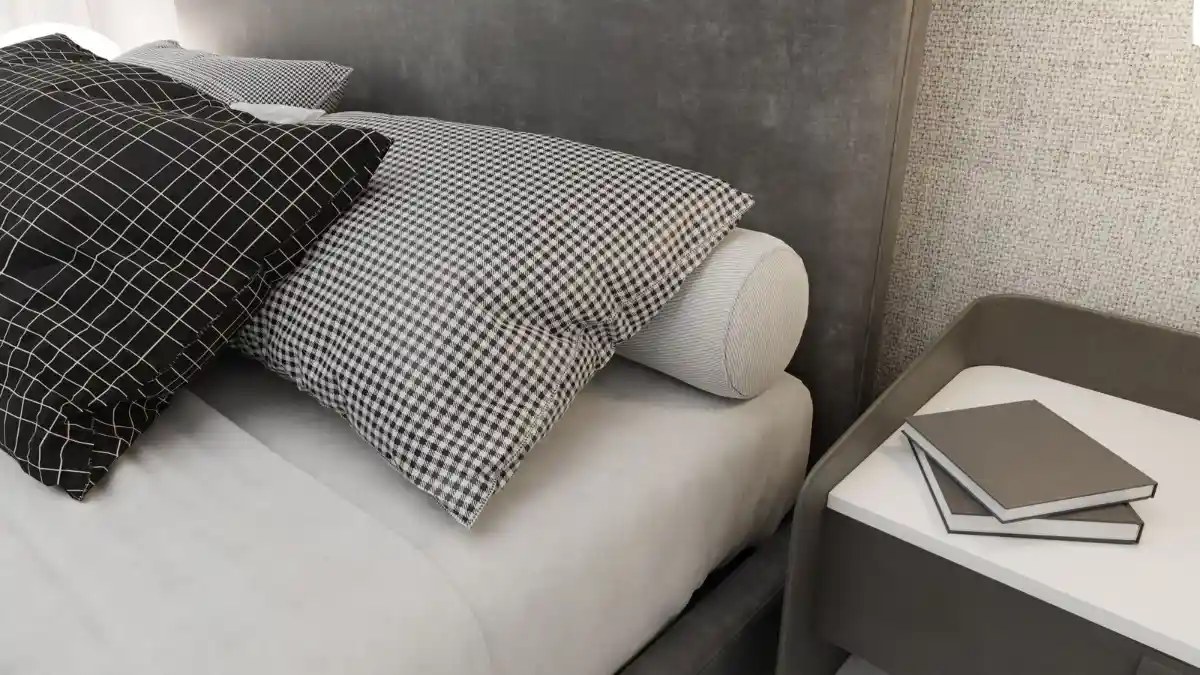
A bolster is a long, narrow pillow in the shape of a cylinder, often with gathered or tied ends. Some are rounded rolls, some are rectangular rolls with flat ends. They are used on beds, sofas, daybeds and chairs, and in yoga, pregnancy and recovery.
Compared with regular pillows, a bolster is usually firmer and designed for support and decor, not for sleeping with your head on it. See the memory foam pillows guide for sleeping pillows.
Common Uses
Bolsters as decorative pieces that also provide support.
Decor: place a bolster at the head of a bed, across a daybed or at the end of a sofa. It adds a tailored finish and layers with other pillows. See the pillow covers guide. Back support: a bolster behind your lower back can feel comfortable when sitting in bed or on a sofa. Smaller bolsters work for specific areas like the lower back, neck or knees. Under the knees: placing one under the knees while lying down is one suggested way to ease lower back tension and promote better circulation. This is a comfort tip, not medical advice. Ask a doctor if you have back pain. Between the knees: side sleepers sometimes use a bolster between the knees. Ask a professional about positions. Yoga and stretching: smaller bolsters suit yoga enthusiasts for support in restorative poses. Pregnancy and lounging: larger bolsters fit lounging, pregnancy support or stretching exercises, though dedicated pregnancy pillows are common too. Ask your healthcare provider. Arm rest: on a sofa or chair, a bolster can serve as an extra armrest. Neck support: some people place a small bolster under the neck.
| Use | Bolster size (general) |
|---|---|
| Decor on a bed | Match bed width |
| Back support on a sofa | About 16 to 18 inches long |
| Yoga | Standard yoga bolster size |
| Lounging or pregnancy | Larger |
Sizes
Figures vary by source.
One source lists lengths of 20 to 60 inches, while another gives diameters between 10 and 12 inches for ideal proportions. Retailers also sell mini bolsters at 12 inches long for children or specific decorative purposes. A common rule is to match the bed width. One source advises that the bolster’s size should match the width of the bed, and another suggests at least 48 inches long for a king bed. For sofa or chair lumbar support, one guide suggests smaller sizes, 16 to 18 inches in length.
Rough bed matching (general guidance, based on mattress widths):
| Bed size | Bolster length idea |
|---|---|
| Twin (about 38 inches wide) | About 38 to 40 inches |
| Full (about 54 inches wide) | About 54 inches |
| Queen (about 60 inches wide) | About 60 inches |
| King (about 76 inches wide) | At least 48 inches, up to 76 inches |
See the full vs queen and twin vs twin XL guides for bed widths. For a king bed, you can use one long bolster or two shorter ones. Measure your headboard width as well.
Fill Materials
Options include polyester, memory foam and natural fibers.
Polyester fiberfill. Soft, affordable and easy to wash. Can flatten. Memory foam. Firm support that holds shape. Good for back and knee support. Shredded foam. Moldable and adjustable. Down and feathers. Soft and plush, but lose shape. Allergies are a concern. Cotton or wool. Firm and natural. Buckwheat. Firm and moldable. Heavier and noisy.
Choose a fill based on whether you want a firm support roll or a soft decor piece.
Covers
Zipper covers. Easy to remove and wash. Tie-end or gathered-end covers. Look decorative, like a candy wrapper. Fabrics. Cotton, linen, velvet, boucle or satin. See the satin sheets, boucle chair and pillow covers guides. Bolster pillowcases. Cases made to fit bolsters. A bolster case or cover should match the length and circumference of the bolster. Seasonal swaps. Covers can often be swapped for seasonal looks.
Check the care label.
Bolster vs Regular Pillow
A mattress retailer’s comparison describes the difference: bolsters are long and cylindrical, usually firmer, while regular pillows are rectangular and softer, made for sleeping. A bolster is not meant to replace your sleeping pillow. It is for decoration and support.
Care and Replacement
Key points: wash the cover regularly; spot clean the insert, or wash it if the label allows; air out and fluff; dry fully to prevent mildew; one source recommends replacing your bolster pillow every 2 to 3 years or when it loses its shape.
Styling a Bolster
At the head of the bed, in front of sleeping pillows. Across the foot of a daybed or sofa. At each end of a sofa as a pair. Layered with square and lumbar pillows. See the lumbar pillow guide. Match or contrast with your bedding. Keep proportions right: avoid a bolster that is too thick for the bed.
How to Choose a Bolster Pillow
Decide the use: decor, support or both. Match the length to your bed or sofa. Choose a diameter that looks proportionate. Pick a fill for firmness and care. Choose a removable cover. Check the washing instructions. Think about allergies. Read reviews for shape retention.
What mistakes should you avoid?
A few common mistakes are worth avoiding: choosing a bolster that is too short for the bed; buying a bolster that is too soft for support; skipping a removable cover; using it as a sleeping pillow when it is too firm; ignoring allergies with down; keeping a flat bolster too long.
Further reading: the Sleep Foundation mattress information hub.
Frequently Asked Questions
What is a bolster pillow used for?
Decor and support: at the head of a bed, behind the back, under the knees, for yoga or lounging.
What size bolster should I buy?
Match the bed width, with at least 48 inches for a king bed according to one source. For back support on a sofa, 16 to 18 inches.
Can I sleep on a bolster pillow?
It is not designed for that. Regular pillows are softer and made for sleeping.
What fill is best?
Memory foam for firm support, polyester for soft decor.
How do I wash a bolster?
Wash the cover per the label, and spot clean the insert or wash it if allowed.
How often should I replace a bolster?
One source says every 2 to 3 years or when it loses its shape.
Conclusion
A bolster pillow is a simple, versatile cushion that adds both style and support. Pick a length that suits your bed or sofa, choose a fill for the firmness you want and use a removable cover.
Whether you use it for decor, back comfort or yoga, a good bolster is a small addition that makes your space more comfortable.
Related guides
 Floor Pillows Guide: Sizes (20 to 32 Inches), Fill Types, Meditation Cushions, Covers and CleaningQuick answer: floor pillows are large cushions for sitting on the floor. A 24 inch square suits living room…Read more →
 Headboard Pillow: Wedge Backrest Sizes, Fill, Covers and How to Pick OneA headboard pillow, also called a wedge or bed backrest pillow, is a large triangular cushion that sits between…Read more →
 Best Cooling Pillow: Latex, Shredded Foam and Gel ComparedLatex and shredded fills tend to run coolest, gel-infused or graphite memory foam sits in the middle and…Read more →
 Kids Couch Guide: Safety, Foam Density, Washable Covers, Sizes and Modular Play CouchesQuick answer: a good kids couch has rounded edges, non-toxic high-density foam, a washable removable cover and…Read more →