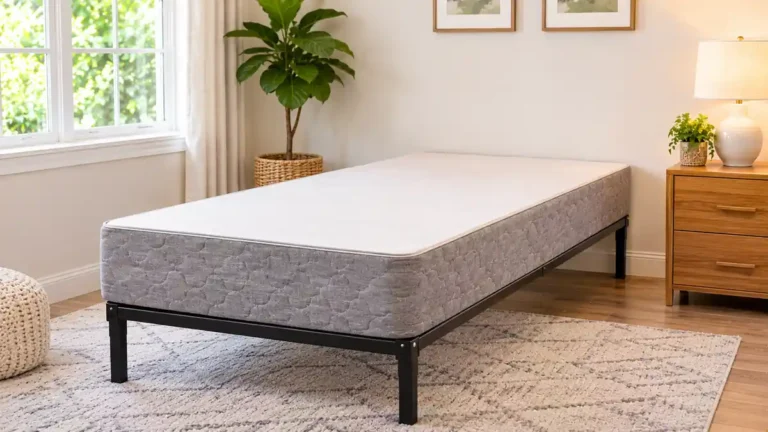
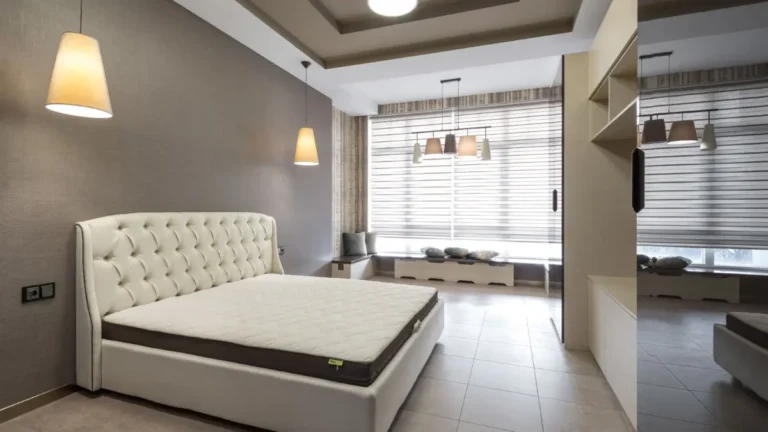
Cooling Mattress Guide: Gel Foam, Latex, Hybrid, Phase Change and What Really Keeps You Cool
If you wake up sweaty, kick off the covers and flip your pillow to the cool side all night, your mattress may be holding in heat. A cooling mattress tries to solve this. But “cooling” is one of the most overused words in mattress marketing. Some mattresses really do sleep cooler because of how they are built. Others add a gel swirl or a cool-to-touch cover and call it cooling.
This article is part of our mattress buying guide, where you can compare related options.
A cooling mattress is a mattress designed to reduce heat buildup, using breathable materials, airflow or special surface materials. This guide explains how different cooling features work, which designs tend to sleep coolest, what the evidence says (and does not say), and how to build a cooler bed overall. Results vary with room temperature, body heat and bedding.

Why Do Mattresses Sleep Hot?
Your body gives off heat all night. A mattress that traps that heat, or does not let it move away, feels warm. Dense foam wraps around your body and holds heat close. Thick bedding and non-breathable fabrics add to it. Sleeping in a warm room makes it worse.
Cooling comes from two approaches: moving heat away (airflow and breathable materials) and absorbing or conducting heat (gel, phase-change materials, graphite and similar additives).
Cooling Features Explained
Gel-infused foam: foam with gel beads or swirls meant to absorb and spread heat. One guide calls it a modest improvement over standard foam and says it does not make a foam mattress equivalent to a hybrid or latex mattress in temperature regulation. Phase-change materials (PCM): fabrics or layers that absorb heat when you first lie down and feel cool to the touch. One source calls them one of the most effective cooling fabrics available. Their drawback is that they absorb heat well early on, but can warm up once they reach your body temperature later in the night. Graphite and copper infusions: added to foam to pull heat away. Marketing claims are common, and evidence is limited. Open-cell or ventilated foam: foam with a structure or channels that let air move. Latex: latex is naturally breathable and open. One source reports that latex sleeps meaningfully cooler than memory foam and is comparable to hybrid designs in temperature regulation. Innerspring and hybrid coils: coils leave open space for air to move. One guide notes that the coils in a hybrid leave open space for heat to move away from your body, while dense all-foam traps it. Breathable covers: cotton, Tencel (lyocell), bamboo-derived and wool covers help wick moisture and allow airflow. Cooling topper or pad: a layer added to an existing bed.
| Feature | Effect | Note |
|---|---|---|
| Gel foam | Modest | Does not equal hybrid or latex |
| Phase change cover | Cool to touch early | May warm up later |
| Latex | Breathable | Comparable to hybrid |
| Hybrid coils | Airflow | Strong choice for hot sleepers |
| Breathable cover | Moisture wicking | Helps all types |
Airflow Matters Most
Several sources argue construction matters more than additives. A mattress with air channels, coils or open-cell materials tends to sleep cooler than a dense, solid foam block, whatever gel is added.
One practical ranking for hot sleepers: start with a hybrid or latex bed and add cooling features on top. One guide advises that hot sleepers should look at latex or hybrid first. Phase-change covers and toppers can add surface cooling to an existing bed, but one source says a good hybrid mattress will outperform any topper on a foam base when it comes to all-night temperature management.
Types of Cooling Mattresses
Hybrid: coils plus foam or latex layers. Good airflow, bounce and support. Usually a top choice for hot sleepers. See the hybrid mattress guide. Latex: springy, durable and breathable. Natural latex costs more. See the memory foam pillows guide for comparisons of foam types. Innerspring: traditional coils with thin comfort layers. Often sleeps cool, but with less pressure relief. Gel memory foam: more contouring and pressure relief. Warmer than hybrids and latex for many people. See the memory foam guide. Airbed and adjustable: some air-chamber beds adjust firmness and have airflow. See the adjustable bed guide. Cooling topper on any bed: an easy upgrade. See the mattress topper guide.
What Else Affects Temperature?
Your mattress is only part of the picture.
Sheets. Percale and linen sheets breathe better than sateen or microfiber. See the best bed sheets guide. Pillows. Cooling pillows help. See the cooling pillow guide. Comforter or duvet. Lightweight, breathable options. See the cooling comforter guide. Mattress protector or cover. Waterproof protectors can trap heat. Choose breathable ones. See the mattress cover guide. Bed frame. Slats allow more airflow than a solid base. See the wood bed frame guide. Room temperature. A cool room, a fan or air conditioning. Pajamas. Light, breathable fabrics. Body. Evening exercise, alcohol and late meals can affect sleep temperature (general knowledge).
If you sleep hot and your mattress is fine, fixing the bedding may be enough.
How to Tell if a Mattress Sleeps Cool
Read the construction: coils or latex layers help. Look at the cover fabric. Check the trial period. Sleep on it for at least a few weeks. Read long-term reviews from hot sleepers. Ignore vague claims like “arctic cool” without detail. Check how the retailer tests temperature, if they share it. One testing page describes a temperature control test, but I did not find independent results.
What are the main strengths and weaknesses?
On the plus side: can reduce overheating and night sweats; some designs also last longer (latex, hybrids); can pair with other cooling bedding. On the downside: marketing claims are not always backed by testing; better cooling designs often cost more; hybrids and latex are heavier; cooling features can fade over time; cool-to-touch covers may feel cold at first and then warm up.
How to Choose a Cooling Mattress
Start with construction: hybrid or latex. Check the cover fabric. Consider firmness and your sleep position. See how to choose a mattress. Check the trial period and warranty. Check size and frame fit. See the full vs queen guide. Plan cooling bedding to go with it. Set a budget. Read reviews from hot sleepers.
What mistakes should you avoid?
A few common mistakes are worth avoiding: believing a gel label alone; ignoring bedding and room temperature; buying without a trial period; choosing an all-foam bed and expecting hybrid-level airflow; using a heavy waterproof cover that traps heat; expecting cold all night.
Further reading: the Sleep Foundation mattress information hub.
Frequently Asked Questions
What is the best mattress for hot sleepers?
Hybrids and latex mattresses are commonly recommended for airflow and breathability.
Does gel memory foam really sleep cooler?
It is a modest improvement over standard foam, but not equal to hybrid or latex.
What are phase-change materials?
Fabrics that absorb heat to feel cool to the touch. They can warm up later in the night.
Can a topper make my mattress cooler?
A cooling topper can add surface cooling, but one source says a good hybrid outperforms any topper on a foam base.
Do cooling mattresses stop night sweats?
They may help, but results vary. If you have heavy night sweats, talk to a doctor.
How can I sleep cooler without a new mattress?
Use breathable sheets, a cooling pillow, a lighter comforter and a cooler room.
Conclusion
A cooling mattress works best when its construction lets air move: hybrid coils, latex and breathable covers beat dense foam with a gel label. Add cool bedding and a comfortable room temperature, and use a trial period to test the bed in your own home.
Be skeptical of marketing, look at how the bed is built and choose one that fits your sleep style. With the right bed, you can sleep comfortably cooler.
Related guides
 Best Cooling Mattress Guide: Hybrid vs Latex vs Gel Foam, Covers, Toppers and Hot Sleeper TipsQuick answer: for most hot sleepers, the best cooling mattress is a hybrid or a natural latex model, because…Read more →
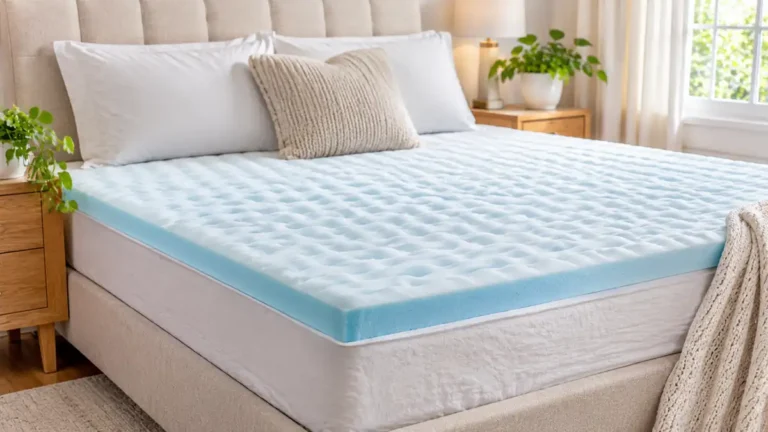 Best Cooling Mattress Topper: Latex vs Gel Foam vs Wool and How to ChooseSources generally rank latex as the coolest topper material, gel-infused memory foam as a middle ground between…Read more →
 Folding Mattress: Tri-Fold Foam Thickness, Sizes, Density and Who It SuitsA folding mattress is a foam mattress that folds into thirds so you can store it in a closet or carry it.…Read more →
 Best Cooling Pillow: Latex, Shredded Foam and Gel ComparedLatex and shredded fills tend to run coolest, gel-infused or graphite memory foam sits in the middle and…Read more →