Corner Bed Ideas: Small Room Layouts, Walkway Clearance and Space-Saving Types
Quick answer: a corner bed puts the head and one side of the bed against two walls, which frees the middle of the room for a desk, sofa or storage. It can make a small bedroom feel more open, but you give up access on one side, so leave a walkway and plan how you will make the bed and reach the window and door.
This article is part of our bed frame guide, where you can compare related options.
Where to put the bed is the first question in any small bedroom. The usual answer is the center of the longest wall. But the corner is a clever alternative, and it can free surprising amounts of floor. This guide explains what a corner bed is, when it works, its tradeoffs, how much clearance to leave, which types of corner beds exist and how to style one. Clearance figures conflict, so measure your own room.
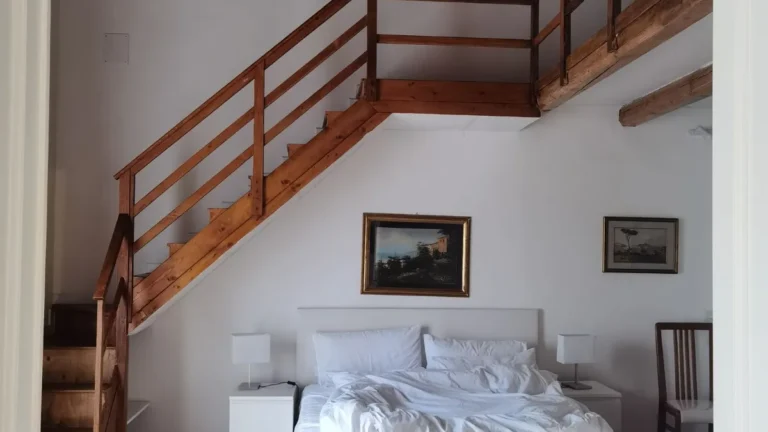
What Is a Corner Bed?
“Corner bed” can mean two things.
- A bed placed in the corner of a room. The headboard sits on one wall, and one long side touches the adjoining wall.
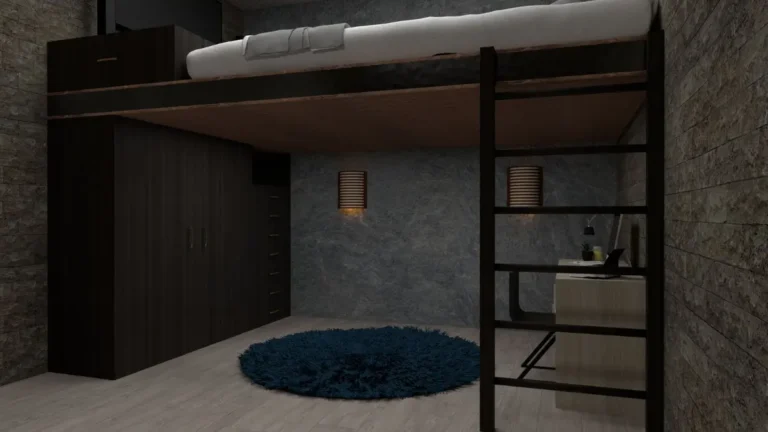
- A bed designed for corners. For example, a corner loft, a built-in unit, a Murphy bed or a modular unit with drawers.
This guide covers both.
Pros of Placing a Bed in a Corner
Frees floor space. One source says corner beds free up floor area for furniture like desks, sofas or storage. Opens the center. A C-shaped layout can make the room feel more open, per a Living Etc article, which says this layout can make a small space feel “twice as big.”. Maximizes views. A design article says it can maximize views and floor space. Cozy feeling. Two walls can feel snug. Good for kids’ rooms. A bed in a corner leaves a play area.
Cons and Tradeoffs
Access. You can only get in and out from one side. This is a problem for couples. One person may need to climb over the other. Making the bed. Tucking sheets on the wall side is hard. Standard frames waste corners. A source notes that standard bed frames often occupy corner spaces inefficiently, and bulky headboards or flankers can make small rooms feel smaller. Window and door blockage. A bed pushed hard into a corner can block windows or doors, so plan the walkway to them first. Heat and air. Corners can be warmer or colder depending on exterior walls and vents. Keep air vents unblocked. Cleaning. Dust collects behind and beside a bed.
Living Etc’s title notes the layout is “not without its drawbacks.”
How Much Clearance?
Sources conflict.
One gives a minimum of 60 centimeters (about 24 inches) on one side and 40 to 50 centimeters (about 16 to 20 inches) at the foot. Another suggests enough clearance, usually 12 to 18 inches, for easy access and furniture placement near the bed.
Use the more generous figure if you can. Measure your room and test by taping the bed’s outline on the floor. For a standard mattress size, see the twin mattress dimensions, full size bed dimensions in feet and king vs queen guides. A twin or full bed suits corner placement best. A king in a corner is hard to use.
Types of Corner Beds
Standard bed in a corner: the easiest. Use a bed with a simple frame. Corner loft bed: a raised bed over a desk or storage. Lofted designs open floor space underneath for a desk, though they require a climb each night. See the full size loft bed guide for safety. Murphy (wall) bed: folds up into the wall. Needs professional installation. Saves the most space. Daybed nook: a daybed fitted into an alcove or corner, doubles as a sofa. See the day beds guide. Built-in or modular unit: with drawers or shelves. One article covers innovative corner bed ideas for small spaces. Bunk bed: corner bunks leave room. See the triple bunk bed and bunk beds for adults guides. Foldable bed: for guests. See the foldable bed guide.
Layout Ideas
Bed in the corner with a desk beside it. The desk on the open wall. Bed in the corner with a dresser at the foot. Check drawer clearance. Bed in the corner under a window. Keep the window accessible and safe. Bed in the corner with wall-mounted shelves instead of nightstands. Bed in the corner plus a sofa or chair in the freed area.
See the small bedroom ideas guide and the bedroom furniture sets guide for more.
Nightstands and Lighting
With one side blocked, you may only have one nightstand. Use: a wall-mounted shelf or ledge; a headboard with built-in storage; wall sconces or a clip light; a floating nightstand.
Keep a light switch within reach.
Bedding and Making the Bed
Choose a duvet instead of tucked sheets. Use fitted sheets that stay in place. See the fitted sheet guide. A bed skirt may be unnecessary. See the bed skirt guide. A bolster or wedge pillow against the wall can make a sofa-like seat. Add decorative pillows. See the decorative pillows guide.
Safety
Keep clear exit paths. Do not block the door or window in a fire. Do not put a bed under a heavy shelf unless it is secured. Anchor lofts and tall furniture. Keep cords and heaters away from bedding.
What are the main strengths and weaknesses?
| Layout | Pros | Cons |
|---|---|---|
| Bed in a corner | Frees floor | One-side access |
| Corner loft | Uses vertical space | Climbing, ceiling height |
| Murphy bed | Maximum space | Cost, installation |
| Daybed nook | Dual use | Smaller mattress |
How to Choose and Plan a Corner Bed
Measure the room and mark the bed outline with tape. Check the door, window and vent positions. Decide who uses the bed: one sleeper or two. Choose the bed size: twin or full for corners. Leave a walkway of 12 to 24 inches where you can. Choose a frame with a low profile. Plan lighting and storage. Plan bedding that is easy to make. Check safety and ceiling height for lofts. Test the layout for a few days.
What mistakes should you avoid?
A few common mistakes are worth avoiding: putting a king bed in a corner; blocking the window or door; forgetting how to make the bed; using a bulky headboard; ignoring vents; not leaving a walkway.
Frequently Asked Questions
Is it okay to put a bed in the corner?
Yes, for small rooms and single sleepers. Plan the access.
How much space should I leave beside a corner bed?
12 to 18 inches, or about 60 centimeters on one side and 40 to 50 at the foot. Measure your room.
What bed size works in a corner?
Twin or full works best.
What are space-saving corner bed types?
Lofts, Murphy beds, daybeds and modular units.
Do corner beds make a room look bigger?
A design article says it can, by freeing the middle of the room.
Is a corner bed good for couples?
Less so, because one person has to climb over the other.
Conclusion
A corner bed can open up a small bedroom, but it works best for one sleeper and needs a clear walkway. Measure carefully, test the layout with tape and choose a low-profile bed that is easy to make.
If you want more space, consider a loft or Murphy bed. Plan lighting, bedding and safety before you move the furniture.
Related guides
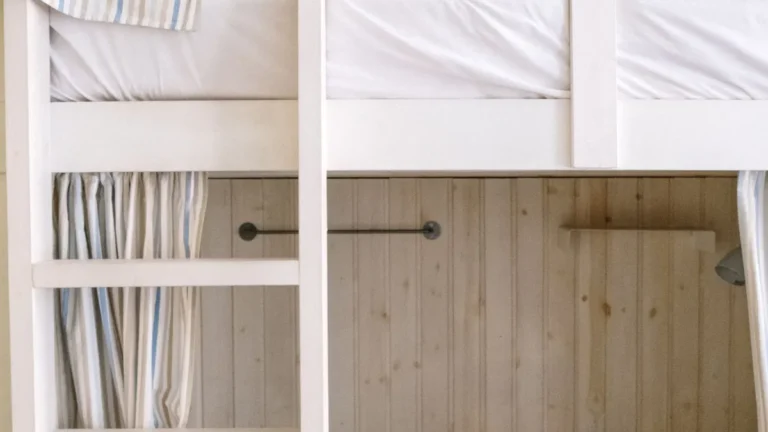 Bunk Beds: Types, Safety Rules and How to Choose the Right OneBunk beds save floor space and give kids a fun place to sleep. They re a classic choice for shared rooms,…Read more →
 Chair Bed: Folding Sleeper Chair Sizes, Mattress Thickness and Weight LimitsA chair bed is a chair that unfolds into a thin guest bed. Guest-oriented models often have a mattress about 49…Read more →
 Japanese Bed: Shikibuton, Tatami Frames, Low Platforms and AirflowA Japanese bed usually means a shikibuton, a thin cotton-filled floor mattress of about 3 to 4 inches, laid on…Read more →
 Bed in a Bag: What’s Included, Sizes and How to Check QualityA bed in a bag is a full set of bedding sold as a single purchase. It usually includes a comforter, a fitted…Read more →