Floor Bed Frame Guide: Low Profile and Montessori Beds, Slats, Airflow, Mold and Safety
Quick answer: a floor bed frame holds a mattress just above the floor. A slatted base lets air move under the mattress and beats a solid panel for airflow. The main downside is moisture and mold, especially in humid rooms and with solid or no-slat designs, so choose a slatted frame and air the mattress.
This article is part of our bed frame guide, where you can compare related options.
Floor beds are popular for minimalist bedrooms and for Montessori-style kids’ rooms, where children can climb in and out on their own. They look calm and modern, remove the need for a box spring and keep children close to the ground. But a mattress sitting very low has little airflow, and moisture can build up. This guide explains the types, benefits, mold and airflow, slats, height, safety for children, and how to choose. This is not medical advice or child-safety certification.

What Is a Floor Bed?
A floor bed is a low bed frame, often only a few inches high. One source distinguishes a floor bed from a mattress on the floor: Floor bed frame: a low frame with a base, often with slats, that supports the mattress. Mattress on the floor: no frame, which has the weakest airflow.
Types: Low platform bed. A modern frame with a low profile. Montessori floor bed. For toddlers and children, sometimes with a house-shaped headboard and a fence. Walmart lists twin floor beds with slats, fence and door. Upholstered floor bed. A soft, low frame. Japanese-style floor bed. See the japanese floor mattress guide for fold-away options. Floor bed with a drawer or storage.
Benefits
Key points: low and calm look. Keeps a room visually light; no box spring. Saves cost and height; child independence. For kids, supports independent climbing in and out; easier to clean. One source says it is easier to clean for kids; safer falls. Short distance to the floor; good for low ceilings.
Airflow and Mold
This is the central issue. Sources agree: A slatted base lets air move underneath and beats a solid panel for airflow. Mold risk is tied to trapped moisture, and a source says that is the most common complaint with low platform and solid-deck beds. Humid climates raise the stakes. Frames with no slats, sitting directly on the floor or a foam board, trap moisture and shorten mattress life.
How to reduce risk:
- Choose a slatted frame with gaps for air.
- Add a breathable mattress pad or a ventilated mat if allowed.
- Lift the mattress now and then to air it. See the japanese floor mattress guide for airing habits.
- Keep the room ventilated and dry. Use a dehumidifier in humid places.
- Avoid floors that are damp or cold. Ground floors and basements are higher risk.
- Keep the bed a few inches from the wall.
- Check the mattress for dampness, musty smell or dark spots.
Slats and Height
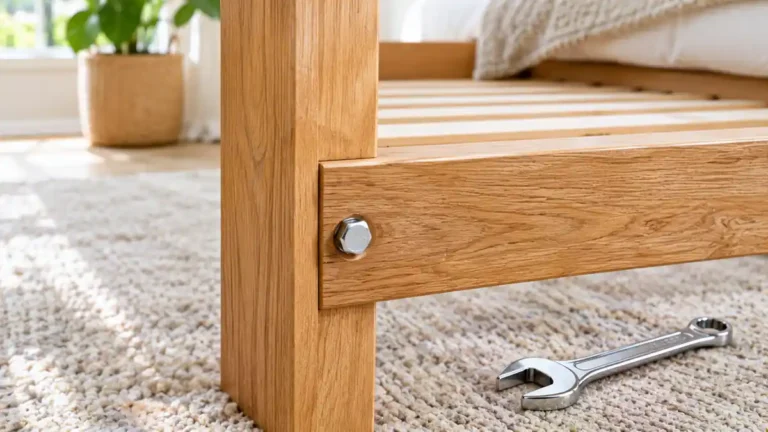
Slatted floor beds lift the mattress just enough for air to circulate. Product listings cite anywhere from 7 to 14 slats. One guide says slats closer than about 8 centimeters suit most foam and spring mattresses. Check the mattress maker’s required slat spacing, because wide gaps can void warranties. See the king box spring guide for support and warranty notes.
Height trade-offs: A gas-lift storage base adds height and loses the ultra-low look. For children, guidance favors keeping total height modest so a fall is short. Very low beds can be harder for older adults to get out of.
Mattress Choice
A thinner mattress keeps the bed low. See the best memory foam mattress and best firm mattress guides. Hybrid or latex mattresses breathe better. See the best cooling mattress guide. Avoid thick pillow-top mattresses that raise the height. A mattress protector helps against moisture.
Floor Beds for Children
Montessori-style floor beds are popular, but safety matters. General principles (not medical advice): Use a fence or rails on all sides for toddlers, if the maker provides them. Make the room safe: anchor furniture, cover outlets and secure windows. See the kids dresser guide. Avoid pillows, loose blankets and soft toys for infants. Ask your pediatrician. Keep cords and blinds out of reach. Choose non-toxic finishes. Follow age guidance from the maker.
See the kids bed guide for age-by-age options.
What are the main strengths and weaknesses?
On the plus side: low, modern look; promotes independence for kids; no box spring needed; easy to clean. On the downside: airflow and mold risks; hard to get out of for some adults; dust collects below; low bed is closer to dust, drafts and pets; needs ventilation habits.
Floor Bed vs Standard Frame vs Mattress on Floor
| Feature | Floor bed frame | Standard frame | Mattress on floor |
|---|---|---|---|
| Airflow | Good with slats | Good | Poor |
| Height | Very low | Higher | Lowest |
| Moisture risk | Moderate | Low | High |
| Cost | Moderate | Varies | Lowest |
Where to Use It
Key points: small or low-ceiling bedrooms; kids’ rooms; guest rooms; minimalist apartments; rooms that need a calm look.
How to Choose a Floor Bed Frame
Decide who will sleep on it: adult or child. Choose the size. See the twin mattress dimensions guide. Choose a slatted base over solid. Check slat spacing against the mattress warranty. Check height and mattress thickness. Check safety features for kids. Check the room’s humidity. Check materials and finish. Plan airing and cleaning. Read reviews.
What mistakes should you avoid?
A few common mistakes are worth avoiding: choosing a solid base in a humid room; skipping mattress airing; using a thick mattress that defeats the low look; ignoring slat spacing; placing the bed against a damp wall; assuming a toddler floor bed makes the room safe.
Frequently Asked Questions
What is a floor bed frame?
A low frame that holds a mattress just above the floor.
Do floor beds cause mold?
They can if moisture is trapped. Slatted bases and ventilation reduce the risk.
Are slats better than a solid base?
A slatted base lets air move and beats a solid panel.
Are floor beds good for kids?
Many parents like them for independence. Follow safety guidance and make the room safe.
How many slats should a floor bed have?
Listings cite 7 to 14. Check the mattress maker’s spacing, such as gaps under about 8 centimeters.
Do I need a box spring?
No, a slatted frame replaces it.
Conclusion
A floor bed frame gives a low, calm look and works well for kids, but airflow matters. Choose a slatted base, air the mattress and keep the room dry.
Check slat spacing and safety features, and read independent reviews. With care, a floor bed stays fresh and comfortable.
Related guides
 Rattan Bed Frame: Three Constructions, Natural vs Synthetic and Weight CapacityA rattan bed frame is a bed with a woven rattan headboard, footboard or sides. The weave is mostly a look, and…Read more →
 Bed Frame with Headboard Guide: Wood, Metal and Upholstered Types, Headboard Height, Width and AttachmentQuick answer: a bed frame with a headboard combines the base and the headboard in one piece. Headboard width…Read more →
 White Bed Frame Guide: Metal, Wood and Upholstered Styles, Cleaning, Bedding and CostA white bed frame makes a bedroom feel bright, clean and airy. It suits minimalist, Scandinavian, coastal,…Read more →
 Toddler Floor Bed Guide: Age, Safety, Guardrails, Mattress Fit and How to ChooseA toddler floor bed sits low to the ground, so a young child can climb in and out without help. It s often…Read more →