Japanese Bed: Shikibuton, Tatami Frames, Low Platforms and Airflow
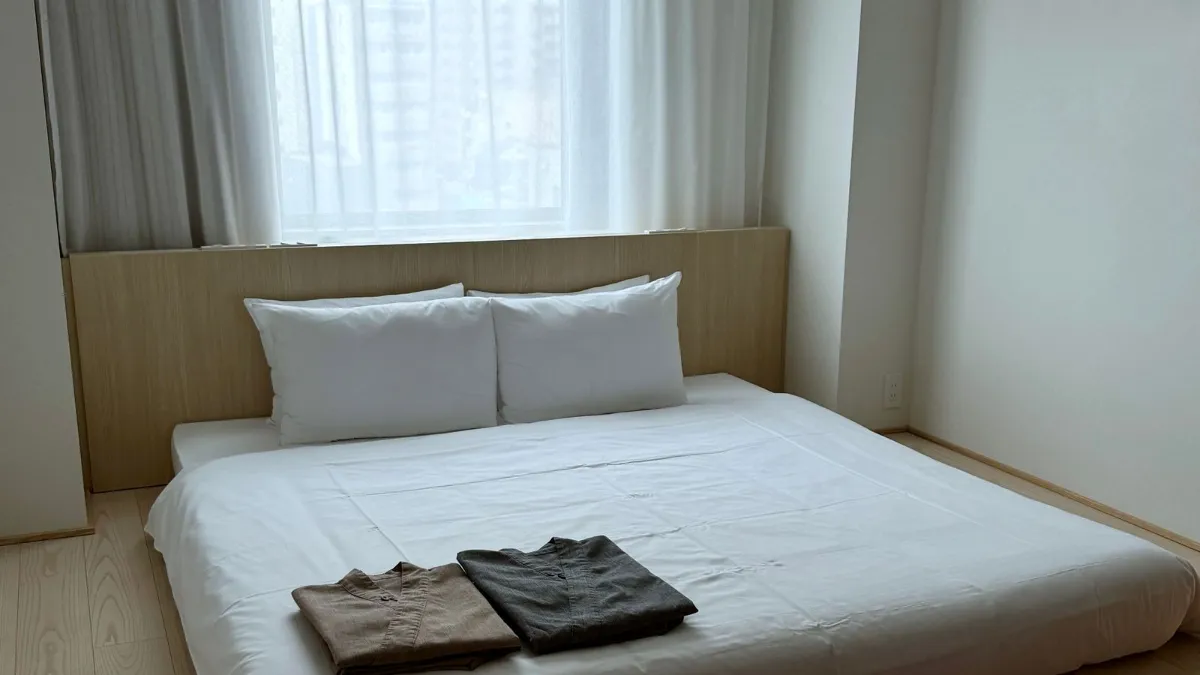
A Japanese bed usually means a shikibuton, a thin cotton-filled floor mattress of about 3 to 4 inches, laid on tatami mats or a low frame. Traditional use has no frame and the bedding is folded away each day. In Western bedrooms, many people choose a low tatami platform that holds mats flush with the room. Raising the bedding off the floor helps airflow and prevents mold.
This article is part of our bed frame guide, where you can compare related options.
Japanese-style sleeping is simple, low and calm. It saves space, because the bed folds away, and it suits minimalist rooms. But floor sleeping isn’t a copy-and-paste habit. The floor type, the bedding thickness and the airflow decide whether it works in your home.
This guide explains shikibuton and tatami basics, low frames, airflow, using Western mattresses and who it suits. This isn’t health advice. If you have back or joint problems, ask a doctor before changing how you sleep.
What is a shikibuton?
One source describes a Japanese futon as a roughly 3 to 4 inch cotton-filled floor mattress with no frame, typically stored folded when not in use. Another calls the shikibuton the quilt-like mattress that forms the core of traditional futon bedding. A full set also includes a kakebuton (comforter) and pillow. The Japan Foundation explains how futons and beds differ in Japanese homes. Mattress Miracle publishes a guide to the best Japanese futon.
This is different from a Western futon, which is a thick mattress on a convertible frame. Our japanese floor mattress guide covers the floor mattress itself in more detail.
What is a tatami bed frame?
A tatami frame is a low, slotted platform that holds tatami mats flush with the room. One source presents it as the most practical option for Western bedrooms. A retailer’s tatami bed is built from hardwood with interlocking corners, and it can hold two tatami mats or be used without them. Tatami mats are woven rush mats on a firm core, and they let air move.
Futonland and J-Life International sell tatami frames. If you want the look without mats, a slatted platform works.
How high is a Japanese-style bed frame?
One comparison puts Japanese-style frames at about 6 to 12 inches off the floor, compared with 18 to 25 inches for a typical Western bed setup. The same source notes that not every “Japanese style” frame uses true joinery, and some are simply low platform beds. So the label doesn’t guarantee traditional construction.
Low beds feel grounded and look modern. But they can be hard to get in and out of for some people. Think about knees and hips, and ask a doctor if you have mobility concerns.
How do I prevent mold?
Airflow matters. A shikibuton on bare hardwood is flagged as a mold risk, so a tatami mat or slatted frame is recommended. The advice is for the frame to lift the mattress and let air circulate underneath. Traditionally, people fold or hang bedding each day to air it out. If you leave the bedding down all the time, use a breathable base and check underneath for moisture.
Keep the room well ventilated. Avoid placing bedding against cold exterior walls or on damp floors. This is general advice, so follow the maker’s care instructions.
Can I use a Western mattress on a Japanese-style frame?
Standard mattresses can generally work on low platform frames, provided the slat spacing or solid surface suits the mattress. Check the maker’s rules for slats and weight. Our adjustable mattress guide explains mattress thickness and base compatibility. EngineerFix publishes a page on whether you can put a Japanese futon on a bed frame.
If you want a low look with a regular mattress, choose a low platform frame with enough slat support.
Who is a Japanese bed good for?
It suits minimalists, small rooms and people who like a firm, low sleep surface. It also suits flexible spaces where the bed folds away, such as a studio. It may not suit anyone who finds floor-level sleeping hard to enter or leave, or who needs a softer mattress. Our floor chair, kotatsu table and floor pillows guides show how to furnish a floor-level room.
How do I choose a Japanese bed?
Decide whether you want a true shikibuton or a low frame with a Western mattress. Check the floor and the airflow. Pick a frame height and material. Look at joinery quality, not just the label. Read reviews on firmness and comfort. Use trial periods when available.
How do I care for Japanese bedding?
Traditional care is simple. Fold the bedding each morning and let it air, if the climate allows. Take it out in sun now and then, following the maker’s guide. Vacuum the tatami lightly along the weave. Keep the room ventilated. Natural fillings like cotton can compress over time, so fluff or rotate the shikibuton as the instructions advise. This is general guidance, so check the label of your bedding.
What should I know before switching to floor sleeping?
Give yourself time. A thin, firm surface feels very different from a thick Western mattress. Some people love it, and others find it hard on hips and shoulders. Try a trial period, or start with a topper. If you have back, hip or knee problems, ask a doctor first. Our adjustable mattress and best firm mattress guides explain what other firm options exist.
Where does a Japanese bed work best?
It suits a bedroom with a hard, flat floor and good airflow. It also works in a multi-use room, where the bedding folds away and the space becomes a living or work area. It’s less suited to damp basements or rooms with cold exterior walls. Think about storage for the folded bedding, such as a closet shelf.
Frequently Asked Questions
What is a shikibuton?
A thin cotton-filled floor mattress, about 3 to 4 inches thick, used without a frame.
What is a tatami bed?
A low platform that holds tatami mats flush with the room.
How high are Japanese-style frames?
About 6 to 12 inches, according to one comparison.
Can I put a regular mattress on a Japanese-style frame?
Generally yes, if the slat spacing or surface suits it.
Do shikibuton beds get moldy?
On bare hardwood, they can. Use a tatami mat or slatted frame for airflow.
Conclusion
A Japanese bed is a simple, low way to sleep. Choose a shikibuton on tatami for tradition or a low platform frame with a regular mattress for convenience. Keep air moving under the bedding to prevent mold.
Because many frames use the label loosely, check construction and read reviews. A well-chosen Japanese bed makes a bedroom calm and flexible.
Related guides
 Bunk Beds: Types, Safety Rules and How to Choose the Right OneBunk beds save floor space and give kids a fun place to sleep. They re a classic choice for shared rooms,…Read more →
 Chair Bed: Folding Sleeper Chair Sizes, Mattress Thickness and Weight LimitsA chair bed is a chair that unfolds into a thin guest bed. Guest-oriented models often have a mattress about 49…Read more →
 Wall Bed (Murphy Bed): Cost, Ceiling Height, Types and InstallationA wall bed, also called a Murphy bed, folds up into a cabinet or wall when you re not using it. One guide puts…Read more →
 Bed in a Bag: What’s Included, Sizes and How to Check QualityA bed in a bag is a full set of bedding sold as a single purchase. It usually includes a comforter, a fitted…Read more →