Toddler Floor Bed Guide: Age, Safety, Guardrails, Mattress Fit and How to Choose
A toddler floor bed sits low to the ground, so a young child can climb in and out without help. It’s often called a Montessori bed. Many parents like the idea of independence and the lower risk of a fall. But a floor bed also changes the whole sleep setup, because your child can leave the bed on their own at night.
This article is part of our kids bedroom furniture guide, where you can compare related options.
A toddler floor bed is a low bed frame, or sometimes just a mattress on the floor, made for toddlers and young children. Some frames include low guardrails and slats. Others have a house shape or a fence around the sides, sometimes with a door.
This guide explains what a floor bed is, the right age to start, how to check guardrails and mattress fit, how to prepare the room for safety and how to choose. This is general information, not medical advice. Always follow your pediatrician’s and the maker’s guidance. You’ll also find a comparison table, a checklist and answers to common questions.
What Is a Floor Bed?
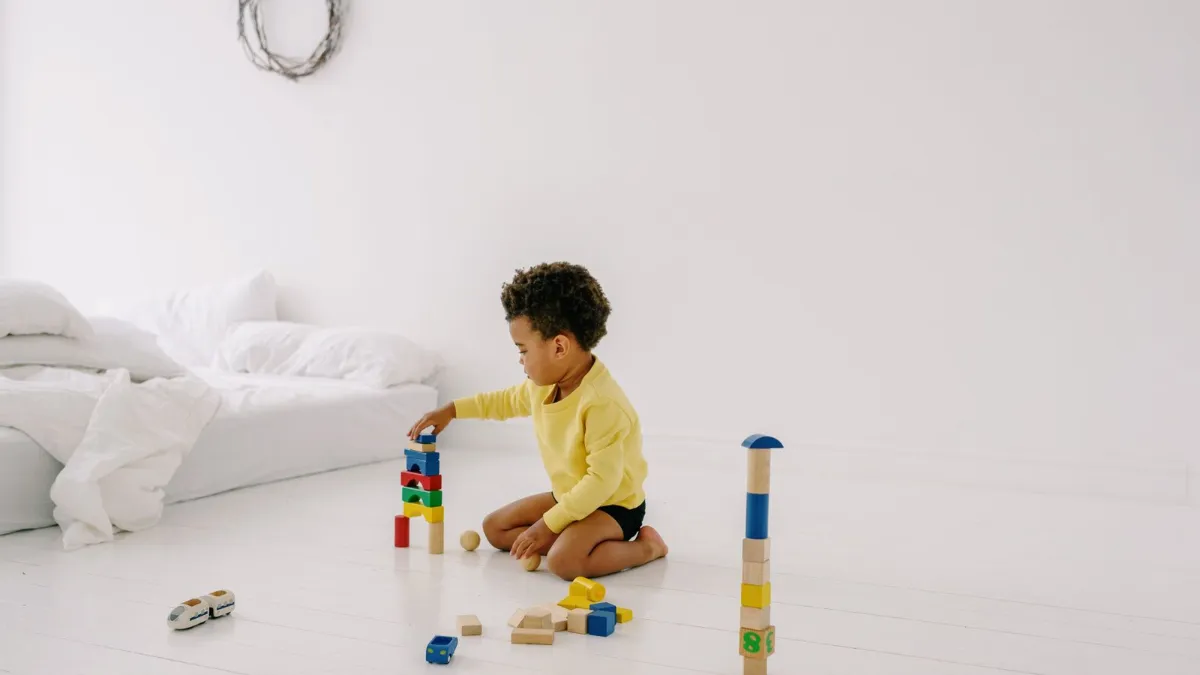
A floor bed is a bed built very close to the floor. The Montessori approach encourages children to move freely and make choices, so a low bed lets a child get in and out on their own. Some beds are open on one or more sides. Others have full-length guardrails to stop rolling.
Retail listings often describe these beds as supporting independence, with the low height reducing the risk of injury from falls. Some sellers also market the bed as a play or reading space.
What Age Is Right?
AdventHealth says Montessori beds are not safe for children under one year old. Babies under one need a safe crib sleep environment, and floor beds have not been shown to be a safe alternative for infants.
For toddlers, many families move to a floor bed or toddler bed sometime between about 18 months and 3 years, but there’s no single right age. Ask your pediatrician. Consider: Is your child climbing out of the crib? Can they follow simple rules like staying in the room? Is the room safe for a child who can walk around?
AdventHealth suggests starting with naps and seeing how your child does. Once you feel confident, you can transition them to sleeping in their new bed at night.
Guardrails
Most listings describe full-length guardrails as the main safety feature, typically around 13.5 to 15.5 inches high. One listing says the rails are meant to stop kids from rolling off, and its slat gaps are sized so small hands don’t get caught.
Check these details: Rail height. Make sure rails stay above the mattress surface. Gaps. Slat and rail gaps should be small enough that a child’s head, arms or legs can’t get trapped. Follow the maker’s safety information. Sturdiness. Rails should not wobble or pull away. Door or opening. If there is one, check the latch. Sharp edges and splinters. Run your hand along the wood. Finish. Look for non-toxic paint or finishes.
A floor bed without railings can let a toddler wander, so AdventHealth recommends planning for dangers that sleepy toddlers may encounter. A separate blog post notes that the transition from crib to floor bed is a period that calls for a safety net.
Mattress Fit
Mattress fit matters more than thickness alone. One listing says its bed is sized for standard twin mattresses up to 6 inches thick, so there are no gaps that could create a hazard. Another listing suggests a 4 to 5 inch mattress. AdventHealth adds that choosing a Montessori mattress is essentially the same as choosing one for any toddler bed.
Size. Check whether the bed uses a crib-size mattress or a twin mattress. A crib mattress should fit snugly, with no gaps. Thickness. Follow the maker’s limit so rails remain tall enough. Firmness. A firm, flat mattress is recommended for young children. Check pediatric advice. Cover. A waterproof, washable cover is handy. See the mattress protector guide. Bedding. Keep bedding simple, and ask your pediatrician about pillows and blankets for your child’s age.
Make the Room Safe
When your child can leave the bed, the whole room becomes their space. Treat it like a baby-proofed play area.
Anchor furniture such as dressers and bookcases to the wall. See the dresser and book shelf guides. Cover outlets with safety covers. Secure cords from blinds and curtains. Use cordless blinds if possible. Remove small items that are choking hazards. Use a baby gate at the door or a door-knob cover, if you want to keep your child in the room. Use a night light. Keep the room temperature comfortable. Check windows. Use window locks or guards. Remove tripping hazards. Store toys in low bins so your child can reach them. Use a baby monitor. Keep medicines, cleaning supplies and sharp items out of reach or in locked storage. Check for hazards at toddler height, including heaters and space heaters.
Crawl around the room at your child’s level to spot dangers.
Pros of a Floor Bed
Independence. The child can climb in and out. Low fall risk. The bed is close to the floor. Easy transition. Some children like the freedom. Room to play. The bed can double as a reading or play spot. Cost. Some are lower in cost than other toddler beds.
Cons of a Floor Bed
Wandering at night. A child can leave the bed and the room. Bedtime battles. Some children test limits. Safety prep. The room must be fully child-safe. Drafts and dust. A low bed sits near the floor. Not for infants. Not safe for children under one. May not suit every child. Some need more boundaries.
| Pros | Cons |
|---|---|
| Independence | Child can wander |
| Low fall risk | Room needs full safety prep |
| Easy to climb in and out | May cause bedtime battles |
| Play space | Not for infants |
Floor Bed vs Toddler Bed vs Crib
A crib has high sides and keeps a child contained. A toddler bed is a low bed with side rails, often using a crib mattress. A floor bed sits very low and may have rails or none. Each suits a different stage. If your child climbs out of the crib, a floor bed or a toddler bed may be safer than a crib that’s too small. Ask your pediatrician what’s best.
How to Choose a Toddler Floor Bed
Check the age. Use for toddlers, not infants. Check the guardrails. Full-length, sturdy, with safe gaps. Check mattress fit. Match the size and thickness limit. Choose the frame. Solid wood or sturdy materials with smooth finishes. Check certifications and safety labels. Think about the door or fence. Plan the room. Safety-proof it first. Look at assembly. Tighten the hardware. Consider growth. Some beds convert as the child grows. Read reviews for notes on gaps and stability.
Check for recalls on the Consumer Product Safety Commission site.
What mistakes should you avoid?
A few common mistakes are worth avoiding: moving to a floor bed too early (ask your pediatrician); skipping the room safety check (the whole room is the new crib); using the wrong mattress size (gaps can trap a child); using a thick mattress with low rails (rails become ineffective); ignoring window and cord hazards; not anchoring furniture (it can tip).
Further reading: the Sleep Foundation mattress information hub.
Frequently Asked Questions
What is a toddler floor bed?
A very low bed for toddlers, often called a Montessori bed, that lets a child climb in and out alone.
What age can a child use a floor bed?
Not under one year, according to AdventHealth. For toddlers, ask your pediatrician about timing.
Do floor beds need guardrails?
Many have full-length guardrails to stop rolling. Check that the rails are sturdy and gaps are small.
What mattress goes with a floor bed?
Follow the maker’s size and thickness limits. One listing allows twin mattresses up to 6 inches thick.
Are floor beds safe?
They can be, with a child-proofed room, proper mattress fit and supervision. Follow pediatric and maker guidance.
How do I help my child stay in bed?
Many parents start with naps, use a routine and use a gate or door cover. Ask your pediatrician for sleep advice.
Conclusion
A toddler floor bed offers independence and a low fall risk, but it also means your child can leave the bed at night. Use it only for toddlers, choose a frame with sturdy guardrails and a snug mattress and make the whole room safe.
Talk to your pediatrician, start with naps and check the maker’s instructions. With the right preparation, a floor bed can be a comfortable step in your child’s sleep journey.
Related guides
 Kids Bed Guide: Toddler Beds, Loft Beds, Guardrails and Safety by AgeMoving a child into a real bed is a big step for the child and for you. The right bed depends on your child s…Read more →
 Kids Couch Guide: Safety, Foam Density, Washable Covers, Sizes and Modular Play CouchesQuick answer: a good kids couch has rounded edges, non-toxic high-density foam, a washable removable cover and…Read more →
 Kids Bedroom Sets: How to Choose for Safety, Size and GrowthA kids bedroom set usually includes a bed, a dresser and a nightstand that match. When you shop, look for…Read more →
 Floor Bed Frame Guide: Low Profile and Montessori Beds, Slats, Airflow, Mold and SafetyQuick answer: a floor bed frame holds a mattress just above the floor. A slatted base lets air move under the…Read more →