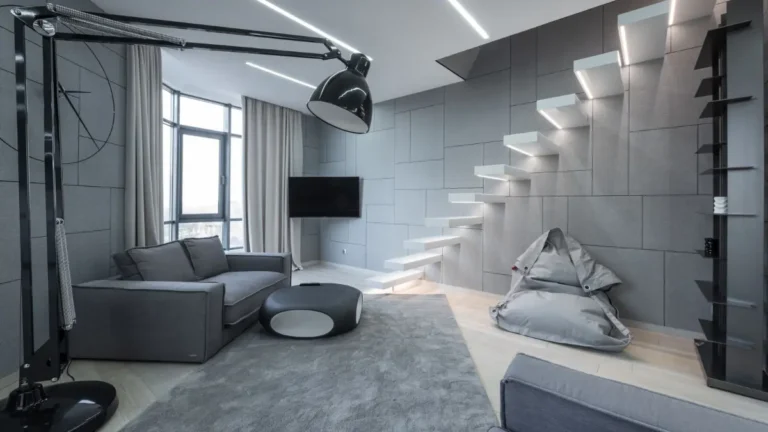
Sofa with Chaise: Left vs Right Facing, Measuring and What to Check
A sofa with a chaise is a sofa with one extended seat where you can stretch out your legs. “Left-facing” and “right-facing” describe which side the chaise is on when you face the sofa, but sellers can label it differently, so always confirm before ordering. Measure your room and your delivery path, allow for the extra depth of the chaise and check whether the chaise is fixed or reversible.
This article is part of our sofa and couch buying guide, where you can compare related options.
You get the comfort of a lounge chair and the seating of a sofa in one piece. It saves buying a separate ottoman and works well for movie nights and naps. But a chaise changes the footprint and the layout of a room, and ordering the wrong side is one of the most common and costly mistakes.
A chaise is the long, extended seat itself, and a sofa with a chaise forms an L shape. Note on sourcing: the web search for this topic failed, so this article is based on general furniture knowledge with no cited figures. I avoid exact measurements and tell you to check each listing. A sourced version should be added before you publish it.
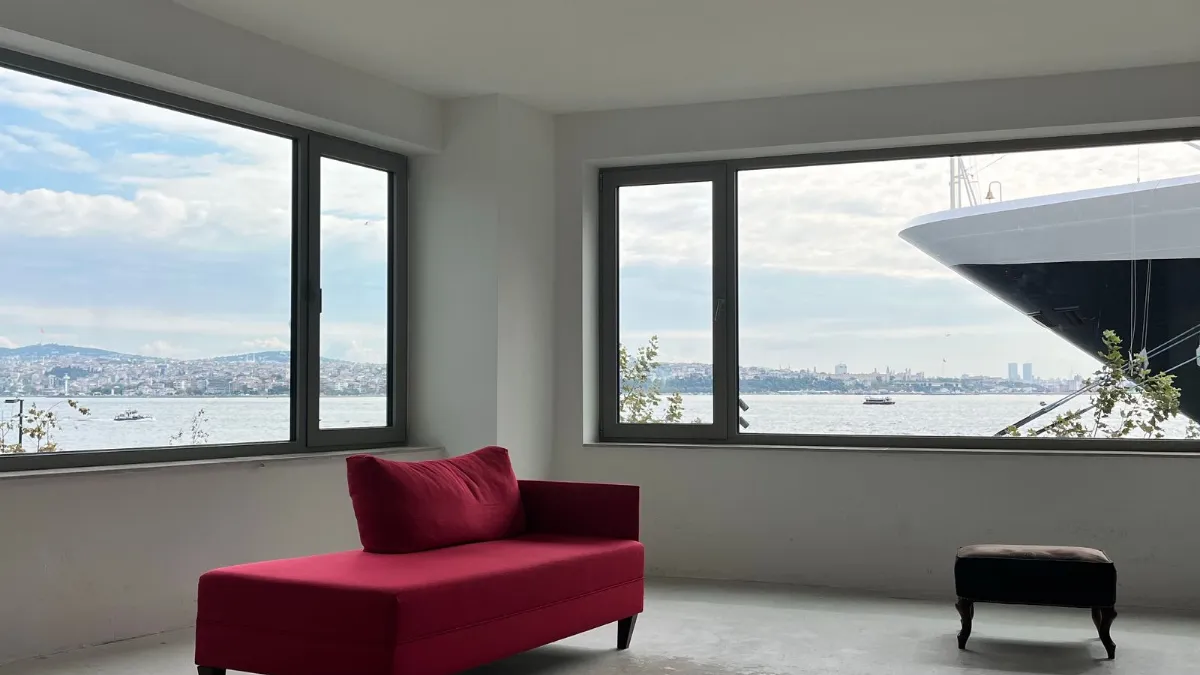
What is a sofa with a chaise?
It’s a sofa with a built-in extended seat at one end. Some are one fixed piece. Others have a reversible chaise cushion or ottoman that you can move to either side, and modular sectionals let you rearrange separate pieces. Some models include a pull-out bed or hidden storage under the chaise. A fainting couch is a different thing, because it stands alone without a sofa attached.
How do left-facing and right-facing work?
Stand in front of the sofa and look at it as if you’re about to sit down. If the chaise is on your left, the sofa is left-facing. If it’s on your right, it’s right-facing. Some retailers use the opposite rule, so compare the diagram on the product page and ask the seller if you’re unsure.
Getting this wrong can mean a costly return, because large furniture often carries fees. Modular sofas avoid the issue because you can place the chaise on whichever side you want.
How do I measure for a sofa with a chaise?
Measure the room, the footprint and the path the sofa will take to get inside. Start with the wall where the sofa will go and decide which end the chaise will sit on. Use painter’s tape on the floor to mark the sofa’s length and the chaise’s depth, and then walk around the shape. Leave clear walkways and enough room for a coffee table. Our oval coffee table and narrow side table guides can help with the extras.
Then measure doors, hallways, stairs and elevators. A sofa that fits the room but not the front door is a common surprise. Check the listing for overall length, depth with the chaise and seat height. I don’t give typical numbers here because the search failed.
Should the chaise be fixed or reversible?
Choose reversible or modular if you might move or change your layout, and fixed if the layout is settled. A fixed chaise is usually sturdy and looks neat. A reversible chaise gives flexibility but may look less built in. A modular design is the most flexible, though pieces can drift apart over time unless they link together.
What comfort features should I compare?
Look at seat depth, cushion fill, back support and the chaise frame. A deep seat is great for lounging but can be hard for shorter people. Firmer cushions hold their shape longer. The chaise needs a strong frame so the end doesn’t sag.
Fabric matters too, and performance fabrics are easier to clean. Our velvet couch, couch covers for dogs and green sofa guides discuss fabric choices.
Where should I place a sofa with a chaise?
Put the chaise toward the open side of the room so it doesn’t block a walkway. If the chaise end faces a window or a fireplace, you get a nice view while you lounge. A corner placement anchors the sofa and leaves the middle of the room open. A rug that reaches under the front legs ties the pieces together, and a floor lamp near the chaise gives reading light.
Leave room for a coffee table, and think about where your feet and the chaise end will land. Tape the shape on the floor and live with it for a day before you order. It’s cheap and it catches layout problems early.
How can I check the quality of a chaise sofa?
Look at the frame, the springs and the cushions. A frame made of hardwood or sturdy engineered wood lasts longer than thin particleboard. Pressing on the arm and chaise end shouldn’t make the frame creak or wobble. Check that the joints are glued, screwed or dowelled and that the stitching is even.
Cushions should spring back after you sit. Removable, zipped covers make cleaning easier. Read the warranty to see what it covers. Because the search failed for this topic, treat these as general checks and confirm details with the seller.
What are the common mistakes with chaise sofas?
The biggest mistake is ordering the wrong side. Check the seller’s diagram, and ask customer service to confirm your choice in writing. The second is skipping the delivery path. Measure every door, turn and stairwell, because a sofa that can’t enter your home becomes a return headache.
A third mistake is forgetting the chaise depth in the room plan. The chaise sticks out farther than a normal seat, so it can block a door or a walkway. Finally, people sometimes pick a very deep seat without sitting on it first. If you can, test the seat in a store, and check that your feet reach the floor or that the chaise suits your height.
What should I do before I order?
Write down your room measurements, the chaise side you want and the delivery path. Ask the seller for the exact dimensions, the return policy and any restocking fee. Check fabric samples if they offer them, because colors look different on screens. These few steps take little time and prevent most problems with large furniture.
Frequently Asked Questions
What does left-facing mean?
The chaise is on your left as you face the sofa. Confirm each seller’s rule.
Can I switch the chaise to the other side?
Only if it’s reversible or modular.
How do I measure for one?
Measure the room, tape the footprint on the floor and measure the delivery path.
Is a sofa with a chaise good for a small room?
It can be, if you choose a compact model and measure carefully.
Are returns easy on large sofas?
Often not. Check fees before you order.
Conclusion
A sofa with a chaise is comfortable and stylish, but you have to pick the right side and measure carefully. Tape out the footprint, check the delivery path and confirm how the seller labels left and right.
Because this article is based on general knowledge, check each product’s listing for sizes and details.
Related guides
 Small Sofa Guide: Loveseat and Apartment Sofa Sizes (48 to 84 Inches), Arms, Depth and Fit for Small RoomsQuick answer: a small sofa can be a compact loveseat (about 48 to 58 inches wide and 30 to 34 inches deep) or…Read more →
 Chesterfield Sofa Guide: Tufting, Rolled Arms, Leather vs Velvet, History and How to StyleQuick answer: a chesterfield sofa is defined by deep button tufting, rolled arms upholstered to the same height…Read more →
 Curved Sofa Guide: Sizing, Bounding Box, Delivery, Rug Placement and Wall PlacementA curved sofa softens a room. Where most furniture is straight and boxy, a curved sofa wraps around a space,…Read more →
 Couch Table Guide: Sofa Table Height, Width, Depth and Walkway SpaceWhen people search for a couch table, they often mean one of two things: a narrow table that sits behind the…Read more →