Modular Sofa: Pros, Cons, Layouts, Cost vs Sectional and Care
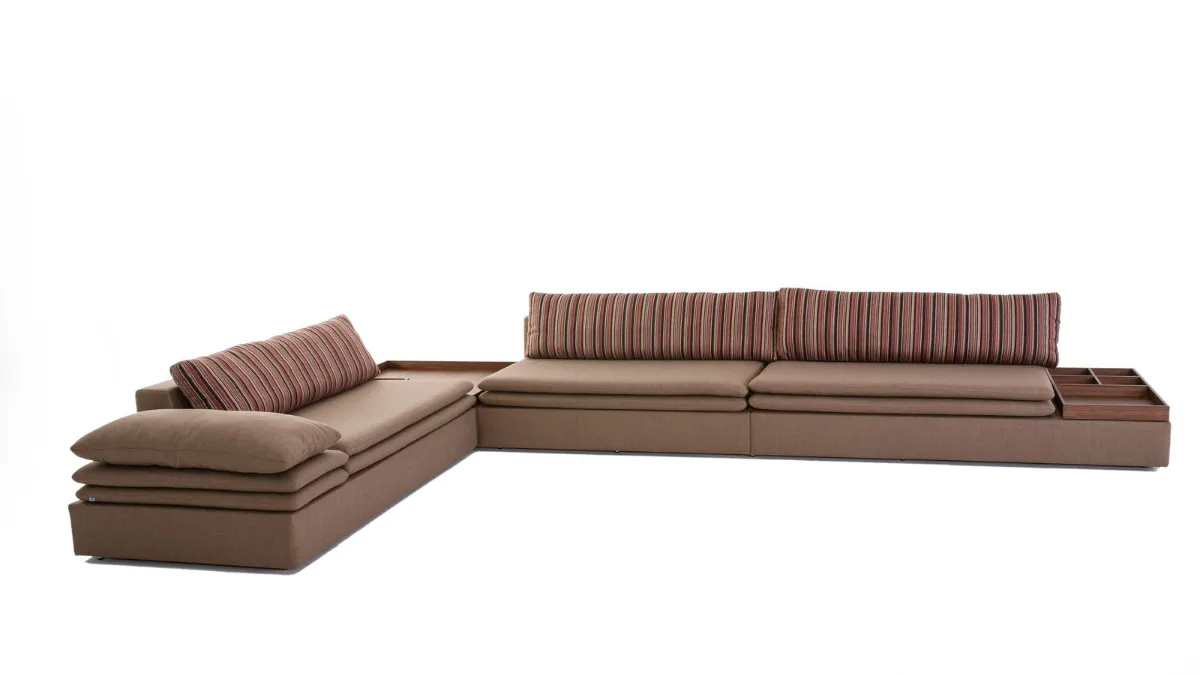
A modular sofa is a couch you can build and rebuild. Instead of one fixed piece, it’s made of separate sections that connect in different ways. You can arrange them in a straight line, an L, a U or a cluster, then change the layout when you move or redecorate.
This article is part of our sofa and couch buying guide, where you can compare related options.
A modular sofa is a seating system made of independent units, such as armless seats, corner pieces, chaises and ottomans. Each unit can stand alone or join the others. People like modular sofas for their flexibility, easy delivery and customizable size.
This guide explains how a modular sofa differs from a sectional, the pros and cons, how to plan a layout, what it costs and how to care for it. You’ll also find a comparison table and answers to common questions.
Modular Sofa vs Sectional
The terms are often used as if they mean the same thing, but they differ. A modular sofa comprises independent units you can use in different layouts. A sectional sofa has sections that fit together in one arrangement.
| Feature | Modular sofa | Sectional sofa |
|---|---|---|
| Pieces | Independent units | Sections fixed in a set shape |
| Layout | Rearrangeable | Mostly fixed |
| Expandable | Often yes | Usually no |
| Delivery | Smaller pieces, easier | Larger pieces |
| Price | Often higher at first | Often lower at first |
Cost is mixed in the sources. One says the initial price of a modular sofa may be higher than that of a sectional, but the ability to rearrange or expand a system reduces the need to replace it. Another says sectional sofas are usually more budget-friendly upfront.
Pros of a Modular Sofa
Flexible layouts: the main advantage is flexibility. You can configure the modules to create conversation groups or larger seating for guests. Easier moving: smaller modules are easier to carry. A large traditional sofa or sectional can be difficult to maneuver in narrow hallways, up staircases and through doorways. Expandable: you can add pieces as your needs or room grow. Add-ons: ottomans and chaise pieces give everyone a comfortable spot. Replace one piece: if one section is damaged, you may only need to replace that piece, if the maker still sells it. Fits odd rooms: you can build a shape that fits unusual spaces.
Cons of a Modular Sofa
Cost: premium features and higher quality raise prices. Removable covers add cost because they apply to several separate pieces. Rearranging takes effort: reconfiguring requires moving and securing the modules. Gaps and sliding: pieces can shift apart unless they have good connectors. Replacement risk: if the manufacturer stops making your sofa, you can’t get a single-piece replacement. Comfort and features: some modular sofas offer recliners, but traditional setups often win on pure adjustability and ergonomics. Cleaning: with multiple components, cleaning might be more challenging than with a traditional sofa.
Popular Modular Layouts
Straight sofa: three or four armless or arm-end pieces in a row. L-shape: a corner or chaise on one end. U-shape: layouts like U-shapes or curves are common in large or open spaces and often use six or more pieces, according to one source. Treat those counts as starting points and measure the full layout. Two sofas facing each other: separate modules form two groups. Island: pieces form a freestanding group in the center of the room. Lounge cluster: seats and ottomans form a casual circle for a media or game room. Single chair or loveseat: start with one or two pieces and expand later.
How to Plan Your Layout
Measure the room. Note walls, windows, doors and outlets. Tape the layout on the floor. Use painter’s tape to mark the full shape. Leave walking space. Many guides suggest 30 to 36 inches for paths. Choose the focal point. TV, fireplace or window. Decide how many pieces you need. Count the seats. Check each module’s size. Sizes vary by manufacturer, so verify each piece’s measurements. Plan for the future. Will you want to add a chaise or ottoman later? Check the connectors. Look for strong, secure ways to link modules.
Fabric and Materials
I did not find specific fabric recommendations or performance comparisons, only general criteria. You should look at durability, comfort and softness, and match the color and texture to your decor.
For busy households, performance fabrics, microfiber and tightly woven polyester are common choices. Leather is easy to wipe. Velvet and linen look nice but need more care. Check the frame (kiln-dried hardwood is strong) and the cushion filling (high-density foam holds its shape).
Cost
I didn’t find reliable price figures in the sources, so get quotes. Cost depends on the number of pieces, the fabric, the filling and the brand. Compare the price per seat and the cost of adding pieces later.
Cleaning and Care
Removable covers make upkeep and future reupholstering easier, but removable doesn’t always mean machine washable, so follow the manufacturer’s instructions.
Key points: vacuum each module and the gaps; rotate and fluff cushions; blot spills quickly; use a cleaner suited to the fabric; keep it out of direct sun; check the connectors now and then.
How to Choose a Modular Sofa
Decide your layout and how many seats you need. Measure the room and the delivery path. Check the connectors and how pieces hold together. Choose the fabric to suit your household. Check the frame and cushions. Ask about expansion. Will the maker sell more pieces later? Check removable covers. Compare prices with sectionals. Read reviews on comfort and shifting. Check the warranty and return policy.
What mistakes should you avoid?
A few common mistakes are worth avoiding: not tape-testing the layout (it may not fit); ignoring connectors (pieces may slide apart); forgetting future expansion (the maker may stop selling pieces); choosing the wrong fabric (it may not suit kids or pets); overlooking depth (deep seats suit lounging, but not everyone).
Frequently Asked Questions
What is a modular sofa?
A sofa made of independent units that you can arrange in different layouts.
What is the difference between a modular sofa and a sectional?
A modular sofa’s pieces can be rearranged freely. A sectional’s sections fit together in one arrangement.
Are modular sofas worth it?
They’re worth it if you value flexibility, easy moving and the ability to expand. They may cost more upfront.
Are modular sofas more expensive than sectionals?
Sources conflict. One says modular sofas cost more initially. Another says sectionals are usually more budget friendly.
How do I clean a modular sofa?
Follow the care label, vacuum the pieces and gaps and use removable covers if they’re washable.
Can I add more pieces later?
Often yes, if the maker still sells them. Ask before you buy.
Conclusion
A modular sofa lets you build a seating arrangement to fit your room and change it when your needs change. It can be easier to move than a big sectional, and you can expand it over time.
Plan your layout with tape, check the connectors and fabric and ask whether the maker will keep selling more pieces. With the right choices, a modular sofa can adapt to your home for years.
Related guides
 Sofa with Chaise: Left vs Right Facing, Measuring and What to CheckA sofa with a chaise is a sofa with one extended seat where you can stretch out your legs. Left-facing and…Read more →
 Small Sofa Guide: Loveseat and Apartment Sofa Sizes (48 to 84 Inches), Arms, Depth and Fit for Small RoomsQuick answer: a small sofa can be a compact loveseat (about 48 to 58 inches wide and 30 to 34 inches deep) or…Read more →
 Chesterfield Sofa Guide: Tufting, Rolled Arms, Leather vs Velvet, History and How to StyleQuick answer: a chesterfield sofa is defined by deep button tufting, rolled arms upholstered to the same height…Read more →
 Couch Table Guide: Sofa Table Height, Width, Depth and Walkway SpaceWhen people search for a couch table, they often mean one of two things: a narrow table that sits behind the…Read more →