Toilet Paper: Types, Ply, Roll Sizes and How to Choose the Right One
Toilet paper looks simple, but the shelf at the store says otherwise. You’ll see 1-ply, 2-ply, mega rolls, double rolls, recycled paper and “septic safe” labels all in one aisle. Picking the wrong pack can mean a rough feel, a clogged pipe or a bill that’s higher than it needs to be.
This article is part of our toilet and bidet guide, where you can compare related options.
Toilet paper is a thin, soft paper made to be used in the bathroom and flushed down the toilet. It breaks apart in water, which is what separates it from tissues, paper towels and wipes. Most rolls are made from wood pulp, recycled paper or a mix of both, and they come in different layers, sizes and textures.
This guide explains what ply means, how roll sizes work and what to look for on the label. You’ll also learn how to check if a roll is safe for a septic tank, how to compare prices fairly and how to avoid common problems.
What Is Toilet Paper Made Of?
Most toilet paper starts as pulp. Makers either use fresh wood fibers, recycled paper fibers or a blend. Some brands also use bamboo or other plant fibers. The pulp is cleaned, pressed into thin sheets, dried and rolled onto a cardboard tube.
The fiber type changes how the paper feels. Fresh wood fibers are longer, so the paper tends to feel softer and stronger. Recycled fibers are shorter, so the paper can feel a bit rougher, though many recycled brands now feel quite soft.
If the planet matters to you, look for a certification such as the Forest Stewardship Council (FSC) mark, or choose a roll that says it’s made from recycled paper. These labels tell you where the fiber came from. They don’t tell you how soft the paper is, so you may need to try a small pack first.
What Does Ply Mean in Toilet Paper?
Ply is the number of paper layers pressed together to make one sheet. A 2-ply sheet has two layers, and a 3-ply sheet has three. More layers usually mean a thicker sheet, but that isn’t the whole story.
1-Ply Toilet Paper
A 1-ply sheet is a single layer. It’s thin and usually the cheapest option. Because each sheet is thin, a 1-ply roll can hold more sheets, which is why it lasts well in places like offices and public restrooms. The downside is that it can feel rough and may tear more easily, so most people prefer more layers at home.
2-Ply Toilet Paper
A 2-ply sheet has two layers and is the most common choice for homes. It’s softer than 1-ply, holds up well when wet and still breaks down in water without trouble. For most families, 2-ply gives the best mix of comfort and price.
3-Ply Toilet Paper
A 3-ply sheet is the thickest and plushest of the three. It feels soft and absorbs well, so it’s popular with people who have sensitive skin. It usually costs more, and a thick sheet can be harder on older plumbing if you use a lot at once.
Toilet Paper Roll Sizes Explained
Roll names are one of the most confusing parts of buying toilet paper. Packs say “regular,” “double,” “mega” or “family mega,” but there’s no single rule that every brand follows. A mega roll from one brand may hold more sheets than a mega roll from another.
Brands often compare their bigger rolls to their own regular rolls. For example, several Charmin listings say one Mega roll equals four regular rolls, while larger Mega XL rolls are listed at a higher number. That ratio only applies to that brand’s own regular roll, so it can’t be used to compare two different brands.
The safest way to compare is to ignore the roll name. Look for two numbers on the package instead: the total number of sheets in the pack and the size of each sheet. Total sheets tell you how long the pack should last. Sheet size matters because a bigger sheet uses up the roll faster.
Roll width matters too. Bigger rolls can be wider or thicker, and they don’t always fit in a standard holder. If you buy mega or jumbo rolls, check that your holder can take them before you buy a large pack.
How to Choose the Right Toilet Paper
The best toilet paper depends on who uses it and what your bathroom needs. These points cover most buying decisions.
Comfort. If you or a family member has sensitive skin, try a softer 2-ply or 3-ply roll. Look for paper marked as fragrance-free, since added scents or dyes can bother some skin. Budget. 1-ply and 2-ply rolls are usually the cheapest. Buying in bulk lowers the cost per sheet, but only if you have space to store it. Plumbing. Older pipes and septic tanks do better with paper that breaks down fast. You’ll find more on this in the next section. Environment. Recycled paper and FSC-certified paper are the main options to look for. Dispenser fit. Measure your holder before buying wide or jumbo rolls.
Buying one small pack of two different types is a simple test. After a week, you’ll know which one feels better and which one lasts longer in your home.
Is Toilet Paper Safe for Septic Tanks?
A septic tank needs paper that breaks down quickly. Most regular toilet paper does, but “regular” doesn’t mean “all brands.” There’s no single official standard for “septic safe” toilet paper, so labels can only tell you so much.
You can run a simple jar test at home. Put a few sheets in a jar with water, close the lid and shake it for a few seconds. If the paper falls apart into small pieces fast, it’s likely a good fit for a septic system. If it stays in clumps, pick a different brand.
Ply alone doesn’t decide this. Many 2-ply brands are labeled septic safe, and a thin 1-ply roll that stays together in water can still cause trouble. How much paper you use also matters. A large wad can strain even a good septic tank.
The bigger risk is wipes. Wipes labeled “flushable” often don’t break down like toilet paper does, and plumbing guides repeatedly say to throw them in the trash. If you have a septic tank, keep wipes, paper towels and tissues out of the toilet.
Toilet Paper Types Compared
| Type | Feel | Cost | Best for | Watch out for |
|---|---|---|---|---|
| 1-ply | Thin, can feel rough | Lowest | Offices, public restrooms, tight budgets | Tears easily |
| 2-ply | Soft and balanced | Medium | Most homes | Check septic labeling if needed |
| 3-ply | Thick and plush | Higher | Sensitive skin, comfort | Can use more paper per visit |
| Recycled | Varies by brand | Low to medium | Eco-conscious buyers | Can feel less soft |
| Bamboo or plant-fiber | Varies by brand | Medium to high | People who want non-wood fiber | Compare real sheet counts and price |
How to Compare Prices and Save Money
The price on the front of the pack doesn’t tell you much. A pack of 24 rolls can cost less per roll than a pack of 12, but have fewer sheets in each one. The fair way to compare is price per 100 sheets.
To work it out, divide the pack price by the total number of sheets, then multiply by 100. Do this for two or three packs and the cheapest option is easy to spot. Sheet size matters here too, so use square feet or total area when the package lists it.
A few habits also help. Buy the pack that fits your storage and use. Don’t use extra paper just because the roll is thick. And if a store brand feels the same as a name brand, stick with it.
Common Toilet Paper Problems and Fixes
The paper clogs the toilet: this usually happens when too much paper goes down at once. Flush in smaller batches, and try a plunger before calling a plumber. If clogs keep coming back, the problem may be thick paper, a weak flush or a pipe issue. The roll feels rough: try a roll with more layers or a softer fiber blend. Fragrance-free paper is also worth trying if you have sensitive skin. The roll won’t fit the holder: mega and jumbo rolls can be too wide. Measure the space in your holder, or buy a holder that fits larger rolls. The paper tears apart or leaves lint: this is more common with thin or low-cost paper. A different brand or an extra layer often fixes it.
Frequently Asked Questions
Which is better, 2-ply or 3-ply toilet paper?
It depends on what you want. 2-ply is cheaper and works well for most homes. 3-ply feels plusher, so it suits people with sensitive skin. If you have a septic tank or old pipes, check that the paper breaks down quickly in water, whichever ply you pick.
What does a mega roll mean?
A mega roll is a larger roll that holds more sheets than the brand’s regular roll. The exact number differs by brand, and each brand compares it to its own regular roll. To compare fairly, check the total sheets in the pack.
Is all toilet paper septic safe?
No. Most toilet paper is made to break down in water, but brands differ, and there’s no single official septic safe standard. Try the jar test, read the label and avoid flushing anything that isn’t toilet paper.
Can you flush wipes labeled flushable?
It’s best not to. Many wipes don’t break down like toilet paper, and plumbing and sewer guides advise throwing them away. This is especially important with a septic system.
How do I know how long a pack will last?
Look at the total sheet count and the number of people in your home. A pack with more total sheets lasts longer, even if the roll names sound similar. You can use your own average per week to plan how much to buy.
Is recycled toilet paper worth it?
It can be. Recycled paper uses fewer fresh fibers, and many brands now feel soft. Some people find it rougher, so buy a small pack first.
Conclusion
The right toilet paper is the one that feels good, fits your budget and works with your pipes. Start with 2-ply if you aren’t sure, then move up or down based on comfort and cost. Compare packs by total sheets and price per 100 sheets, not by roll names.
If you have a septic tank, run the jar test and keep wipes out of the toilet. A small test pack of two brands is a simple way to find your favorite before you buy in bulk.
—
Publishing notes (not part of the article)
Image plan (WebP, under 100 KB, EXIF removed, keyword-based file names):
- `toilet-paper-rolls-in-bathroom.webp` – ALT: “Stack of toilet paper rolls on a bathroom shelf”
- `toilet-paper-ply-comparison.webp` – ALT: “1-ply, 2-ply and 3-ply toilet paper sheets side by side”
- `toilet-paper-jar-test.webp` – ALT: “Jar test showing toilet paper breaking down in water”
Internal link ideas (match to real site pages): bathroom storage, toilet paper holder, bathroom accessories.
Schema: Article + FAQPage (only if the FAQs stay on the page).
Word count: about 1,500 (target 1,400-1,800).
Related guides
 Toilet Dimensions: Standard Size, Rough-In and Clearance RequirementsA standard toilet is about 28 to 30 inches deep, roughly 20 inches wide and 27 to 32 inches high, and the most…Read more →
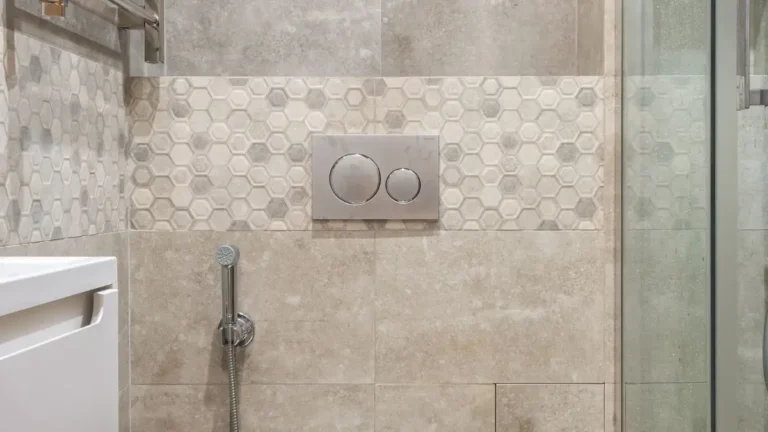 Toilet with Bidet: Built-In vs Bidet Seat, Cost, Power Needs and DrawbacksA toilet with a bidet either has the washing function built into the bowl or uses a bidet seat that replaces…Read more →
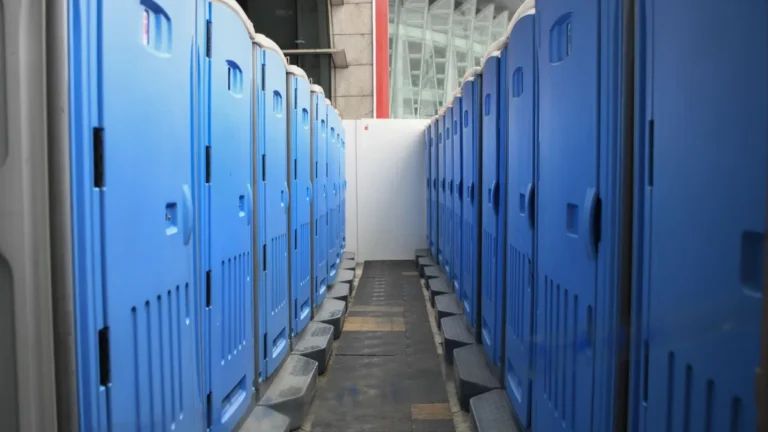 RV Toilet Guide: Gravity Flush, Macerating, Cassette and Composting Types ComparedQuick answer: the four main RV toilet types are gravity flush (simple and common), macerating (grinds waste for…Read more →
 Paper Towel Dispenser Guide: Wall-Mounted, Touchless, Roll and Handheld Types and Installation TipsQuick answer: a paper towel dispenser holds and dispenses paper towels in a bathroom, kitchen or workplace.…Read more →