
Toilet with Bidet: Built-In vs Bidet Seat, Cost, Power Needs and Drawbacks
A toilet with a bidet either has the washing function built into the bowl or uses a bidet seat that replaces your current toilet seat. Prices vary widely by source, from roughly $350 to $5,000, and most electric models need a nearby outlet. A bidet seat or a simple non-electric attachment is usually the cheaper, easier route. A built-in unit can save space but often costs more to install.
This article is part of our toilet and bidet guide, where you can compare related options.
A bidet cleans you with a spray of water. Many people find that cleaner and more comfortable than paper alone, and electric models add extras like warm water, a heated seat and a dryer. But you have three paths, and each one needs different plumbing and power.
This guide explains the three options, what they cost, what installation involves and the trade-offs. This isn’t plumbing, electrical or medical advice. Hire licensed pros for installation and ask a doctor about any health needs.

What are the main types of bidet toilets?
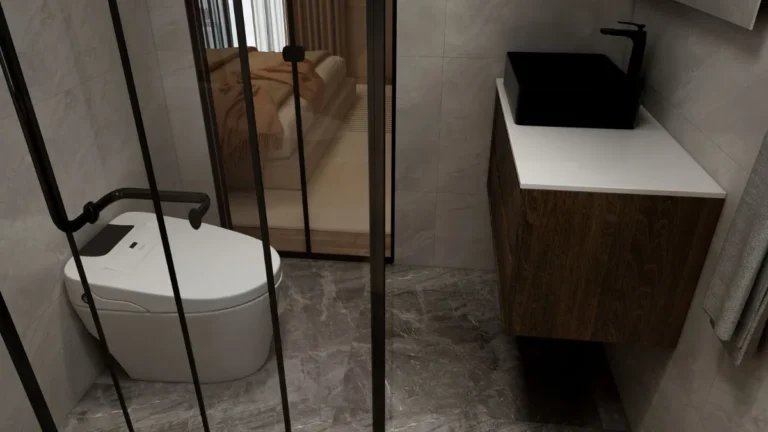
There are integrated bidet toilets, bidet seats and non-electric attachments. An integrated unit puts the toilet and the bidet in one fixture, which This Old House describes as an all-in-one option. A bidet seat, which Fixr compares with a washlet, replaces your existing seat and connects to the water line. A non-electric attachment is a simple sprayer under the seat that needs no power, and Bidet King compares it with electric seats.
An integrated toilet suits a full remodel. A seat suits someone who likes their current toilet. An attachment suits renters and tight budgets.
How much does a toilet with a bidet cost?
Very different numbers, so get local quotes. One guide puts integrated bidet toilets at $350 to $1,000 and full electric systems at $600 to $2,500. Another says $1,200 to $2,000 with installation. This Old House lists $500 to $5,000 for all-in-one units. One source says toilets with built-in bidets can cost upward of $3,000.
Installation adds more. One guide estimates $100 to $900, depending on the plumbing and electrical work, and HomeAdvisor says the project can cost twice as much as installing a standard toilet. Everflow has a cost comparison of bidet toilets and bidet seats. The safest plan is to ask a local pro for a written quote that includes any outlet or plumbing work.
Do I need an electrical outlet?
Most electric units do. This Old House says an electric outlet is usually needed, and Fixr warns that a washlet may need a new one. Bathrooms often require a GFCI outlet by code, so ask a licensed electrician what your home needs. Non-electric attachments skip the wiring and keep plumbing work to a minimum.
Check the water supply line and shutoff valve too, and measure the space behind the toilet. Seats come in round and elongated shapes, so match yours before buying.
What are the benefits?
The main benefits are comfort, cleanliness and less toilet paper. Electric units let you adjust water temperature and pressure, and one review says automatic wash and dry can help people with mobility or dexterity limits. Bidets are more hygienic than paper alone, though I didn’t check a medical source for that. An integrated unit can also suit a compact bathroom, because there’s no separate bidet fixture.
What are the drawbacks?
Cost, installation and repairs are the main ones. Electric bidets cost more than non-electric ones, and the work can involve new wiring. Fixr says the heater is not always reliable, and electronics can fail and be hard to fix. One guide warns that toilet-bidet combinations may not suit small bathrooms or rooms with low ceilings, so check the dimensions.
Fixr also says these units don’t add resale value. Some people need time to get used to using one. Keep those points in mind before you spend a lot.
How do I care for one?
Wipe the seat and nozzle regularly and follow the maker’s cleaning steps. Use gentle cleaners that won’t harm the plastic, and keep electrical parts dry. Replace filters if the model has them. If you see a leak, shut off the water and call a plumber.
Which features are worth paying for?
Pay for the features you’ll use every day and skip the rest. Adjustable water temperature and pressure are the most useful, because comfort depends on them. A heated seat and a dryer add comfort in cold bathrooms. A self-cleaning nozzle, a soft-close lid and a night light are nice extras. Remote controls are handy, but side panels work fine and have less to break.
Safety features matter more than gadgets. Look for overheat and leak protection and a clear warranty. Fixr warns that the heater is not always reliable, so read reviews about long-term use. I didn’t verify any brand claims, so check certifications and customer feedback yourself.
Who should consider a bidet toilet?
A bidet toilet suits people who want an upgrade and are already remodeling a bathroom. It also helps people who want less toilet paper use or who like the cleaning feel. One review says the automatic wash and dry features can help people with mobility or dexterity limits. If that matters in your home, ask a doctor or an occupational therapist what setup works best. Our shower seat and walk-in bathtub guides cover other accessibility items.
If you rent, or just want to test the idea, start with a non-electric attachment. It costs little and needs no outlet. If you like it, you can step up to a seat or a full unit later. That order avoids spending thousands on something you may not enjoy.
How should I plan the installation?
Start with the bathroom, not the product. Check where the outlet is, where the water shutoff valve sits and how much space is behind and above the toilet. Measure the bowl so the seat shape matches. Then decide who will do the work. A plumber can handle the water line, and a licensed electrician can add a GFCI outlet if the room needs one.
Ask for a written quote that lists the toilet or seat, the labor, the outlet and any plumbing changes. That way you can compare offers fairly, which matters because the sources show such a wide range of prices.
Frequently Asked Questions
What is a toilet with a bidet?
It’s a toilet with a built-in washing function, or a toilet fitted with a bidet seat.
How much does it cost?
Sources range from about $350 to $5,000, plus installation. Get local quotes.
Do I need an outlet?
Most electric models do. Non-electric attachments don’t.
Is a bidet seat cheaper than a bidet toilet?
Usually yes.
Does a bidet toilet raise resale value?
Fixr says it doesn’t.
Conclusion
A toilet with a bidet can make a bathroom more comfortable, but costs and installation vary a lot. Compare integrated toilets, seats and non-electric attachments, and plan for an outlet if you pick an electric model.
Because the price figures conflict across sources, get local quotes and hire licensed pros. The best choice is the one that fits your budget and your bathroom.
Related guides
 Bidet Toilet Seat: Types, Installation, Electric vs Non-ElectricA bidet toilet seat cleans you with a stream of water instead of, or in addition to, toilet paper. Many people…Read more →
 Toilet Dimensions: Standard Size, Rough-In and Clearance RequirementsA standard toilet is about 28 to 30 inches deep, roughly 20 inches wide and 27 to 32 inches high, and the most…Read more →
 RV Toilet Guide: Gravity Flush, Macerating, Cassette and Composting Types ComparedQuick answer: the four main RV toilet types are gravity flush (simple and common), macerating (grinds waste for…Read more →
 Small Laundry Room Ideas: Stacked Machines, Folding Counters, Vertical Storage and Layouts That WorkQuick answer: the best small laundry room ideas are to stack the washer and dryer, add a folding counter or…Read more →

5 Comments