
Best Toilet Buying Guide: One-Piece vs Two-Piece, Elongated vs Round, Comfort Height, Rough-In and GPF
Quick answer: for most homes, the best toilet is a WaterSense-certified toilet that uses 1.28 gallons per flush or less, with an elongated bowl, comfort height seat and a standard 12-inch rough-in. Choose a one-piece model for easier cleaning and a sleeker look, or a two-piece model for a lower price and easier-to-find parts.
This article is part of our toilet and bidet guide, where you can compare related options.
A toilet is one of the few things in your home you use every day and rarely think about until it fails. Buying a new one means balancing comfort, space, water use, flush power, price and fit with your plumbing. This guide explains the main choices: one-piece vs two-piece, bowl shape, seat height, rough-in, flush rating and water efficiency, and flush technology. It draws on brand and retailer buying guides. It does not rank brands.
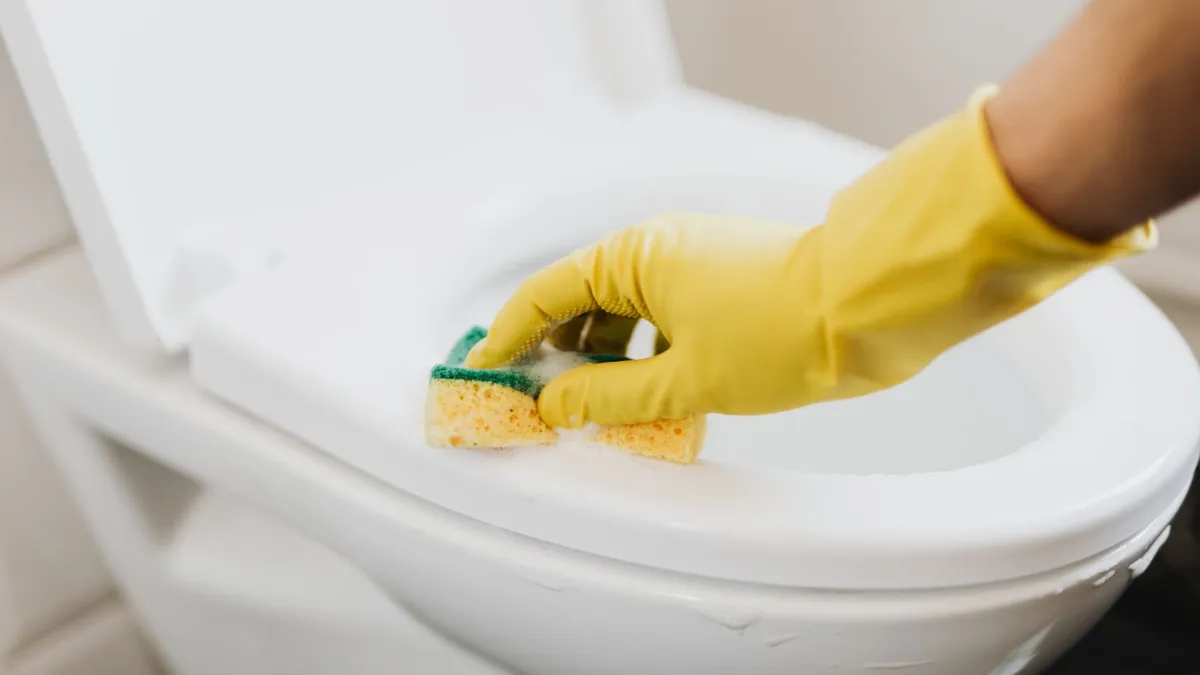
One-Piece vs Two-Piece
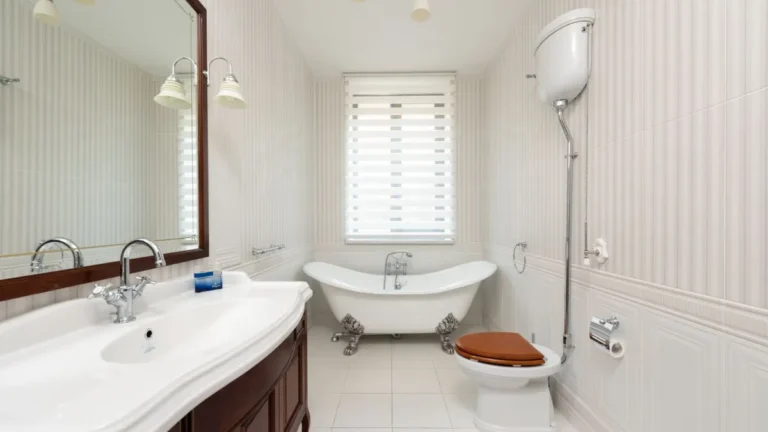
Two-piece toilets: are the common default and usually cost less. One sales guide says two-piece toilets are generally more budget friendly than other types and have easy-to-find parts. A tank and a bowl are separate and bolted together. One-piece toilets: have the tank and bowl molded together. They get praise for cleaning (no gap between tank and bowl) and looks. A showroom guide notes one of the most important advantages of one-piece models is simple installation. A different guide disagrees on installation, saying the two-piece or traditional-style toilet may cost less and is easier to install, especially if you will be doing the installation solo, because the pieces are lighter.
| Feature | One-piece | Two-piece |
|---|---|---|
| Cleaning | Easier, fewer crevices | More crevices |
| Look | Sleek | Traditional |
| Price | Higher | Lower |
| Weight | Heavy | Lighter pieces |
| Parts | Fewer options | Easy to find |
The installation claims conflict across sources, so check them against your own plumbing and strength.
Round vs Elongated Bowls
Elongated bowls are the comfort choice. Round bowls suit small spaces. One guide says elongated bowls are usually 2 inches longer than round bowls and offer additional comfort. Kohler lists bowl length between 28½ and 31⅝ inches for elongated and 25⅝ and 29¾ inches for round-front. A compact elongated model offers elongated comfort in a round-front footprint.
For a small bathroom, measure the distance from the wall to the front of the bowl and check clearance in front. See the small bathroom remodel guide and the heated toilet seat guide, which explains how to measure bowl shape for a seat.
Comfort Height
Comfort height is a taller seat. One guide says a standard height of 14 to 15 inches from floor to seat is traditional, and the taller option is better for children in one guide’s wording. Home Depot notes that ADA-compliant toilets meet the standards of the Americans with Disabilities Act and have a rim height of 15 to 17 inches.
Comfort-height toilets (often 16 to 17 inches) are easier to sit on and stand up from for many adults, especially taller people and older adults. Shorter people and young children may find them too high. Consider who uses the bathroom. A step stool helps children.
Rough-In
Rough-in is the distance from the finished wall to the center of the drain flange in the floor. The most common size is 12 inches, though you may encounter 10-inch and 14-inch rough-ins in older homes. One guide warns that if the rough-in is less than 11 inches, you may have to re-plumb the waste pipe or choose a smaller toilet. Measure from the wall, not the baseboard, for floor-mount units.
Steps:
- Measure from the wall (not the baseboard) to the center of the closet bolts or drain.
- Match the toilet’s rough-in rating.
- Check clearances: at least 15 inches from the toilet center to a side wall or vanity (general guideline) and 21 inches in front (general guideline).
Flush Rating and Water Efficiency
WaterSense models use 1.28 gallons per flush (GPF) or less. One guide states that high-efficiency (HET) toilets use 1.28 GPF and are WaterSense certified, saving about 20% water versus standard 1.6 GPF toilets.
Other options: Dual-flush. Two buttons: about 0.8 GPF for liquid and 1.28 to 1.6 GPF for solid. Ultra high-efficiency. One guide puts ultra high-efficiency at 1.0 GPF or less as the most water-saving option. Standard (1.6 GPF). Older federal standard.
Lower GPF saves water and money, but flush performance matters. A toilet that needs two flushes saves nothing. Look for tested performance, such as MaP scores (Maximum Performance testing, a general knowledge note), and read reviews.
Flush Technology
Key points: gravity flush. Most common. Quiet and simple; pressure-assisted. Uses air pressure for a strong flush. Louder, mostly for commercial use; siphonic and tornado-style flush. Brands use swirling designs for stronger flush; dual-flush. See above; powered or smart toilets. See the smart toilet guide.
Trapway size (a wider path) can reduce clogs. Check specs if you have had clog problems.
Other Features
Key points: skirted base. A smooth sides design that hides the trapway and cleans easily; slow-close seat. Prevents slamming; quick-release seat. Easy cleaning; glazed trapway. Reduces buildup; antimicrobial glaze. Check claims; heated seat or bidet. See the heated toilet seat and portable bidet guides; ADA height. For accessibility; wall-hung toilets. Save floor space but need in-wall tanks and strong framing. See the floating vanity guide for wall-mounting principles; compact toilets for small spaces; composting toilets for off-grid. See the composting toilet guide.
Installation
Key points: turn off water and drain the tank; remove the old toilet and clean the flange; install a new wax ring or alternative seal; set the bowl, secure bolts and add the tank; connect the water supply and test for leaks.
Installation is a common DIY task, but toilets are heavy. Hire a plumber if the flange is damaged or you are unsure. See the water closet guide for related terms.
What are the main strengths and weaknesses?
One-piece
- Pros: easier cleaning, sleek.
- Cons: heavier, higher cost.
Two-piece
- Pros: cheaper, easier to move in pieces.
- Cons: more crevices.
Elongated comfort height
- Pros: comfortable.
- Cons: bigger, higher.
Dual-flush
- Pros: water savings.
- Cons: more parts.
How to Choose the Best Toilet
Measure rough-in and clearances. Choose round or elongated for your space. Choose standard or comfort height for your household. Choose one-piece or two-piece. Choose a flush rating: WaterSense 1.28 GPF or lower. Check flush performance in reviews. Choose features: slow-close seat, skirted base. Check the warranty and parts availability. Plan installation. Set a budget.
What mistakes should you avoid?
A few common mistakes are worth avoiding: not measuring rough-in; buying a toilet too long for the room; choosing the lowest GPF without checking performance; ignoring height needs; skipping the wax ring replacement; assuming one-piece is easier to install without checking.
Frequently Asked Questions
What is the standard rough-in for a toilet?
12 inches, though 10 and 14 inches exist in older homes.
What is a WaterSense toilet?
One that uses 1.28 gallons per flush or less and meets performance criteria.
Is a one-piece toilet better than a two-piece?
One-piece is easier to clean and sleeker. Two-piece costs less.
What is comfort height?
A taller seat, often 16 to 17 inches, easier for many adults to use. ADA toilets have a rim height of 15 to 17 inches.
Elongated or round?
Elongated is more comfortable and about 2 inches longer. Round suits small spaces.
How do I measure for a new toilet?
Measure the rough-in from the wall to the drain center, and check clearances.
Conclusion
The best toilet fits your plumbing, your space and the people who use it. Start with the rough-in, choose bowl shape and height, pick a WaterSense flush rating and decide between one-piece and two-piece.
Read reviews for real flush performance, and confirm installation details before you buy. A well-chosen toilet works quietly for decades.
Related guides
 Toilet Dimensions: Standard Size, Rough-In and Clearance RequirementsA standard toilet is about 28 to 30 inches deep, roughly 20 inches wide and 27 to 32 inches high, and the most…Read more →
 Toilet with Bidet: Built-In vs Bidet Seat, Cost, Power Needs and DrawbacksA toilet with a bidet either has the washing function built into the bowl or uses a bidet seat that replaces…Read more →
 RV Toilet Guide: Gravity Flush, Macerating, Cassette and Composting Types ComparedQuick answer: the four main RV toilet types are gravity flush (simple and common), macerating (grinds waste for…Read more →
 Small Laundry Room Ideas: Stacked Machines, Folding Counters, Vertical Storage and Layouts That WorkQuick answer: the best small laundry room ideas are to stack the washer and dryer, add a folding counter or…Read more →

2 Comments