
RV Toilet Guide: Gravity Flush, Macerating, Cassette and Composting Types Compared
Quick answer: the four main RV toilet types are gravity flush (simple and common), macerating (grinds waste for easier plumbing), cassette (a removable waste tank) and composting (no water or black tank dumping). Match the type to your trips, your plumbing and your tolerance for maintenance, and measure your bathroom before you buy.
This article is part of our toilet and bidet guide, where you can compare related options.
An RV toilet is not a household toilet. It has to work in a moving vehicle, use little water and connect to a holding tank or other system. The type you pick changes how you camp: where you can stay, how often you stop to dump and how much work you do. This guide explains the common RV toilet types, what each needs, their pros and cons, how to choose and basic care. None of them covered bowl or seat height, so I leave that out, and I did not find verified costs. Check the maker’s spec sheet. This is not plumbing or sanitation advice.
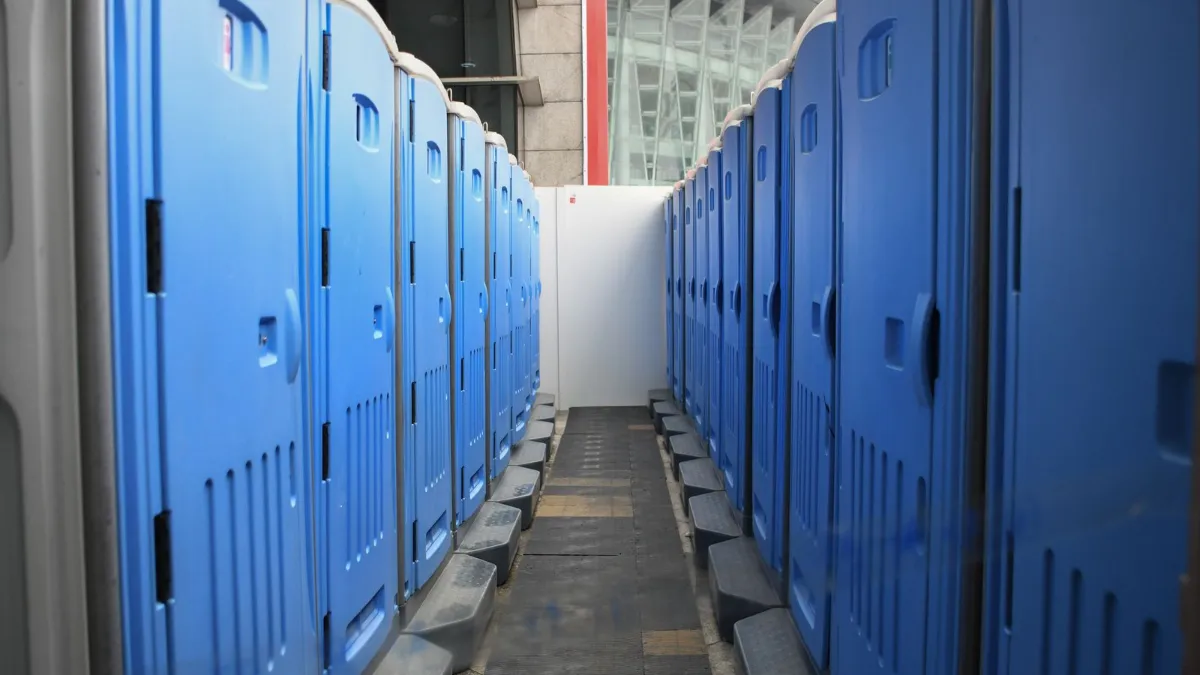
The Main Types of RV Toilets
Gravity flush, macerating, cassette and composting, and some add vacuum, incinerating and dry-flush designs.
| Type | How it works | Needs |
|---|---|---|
| Gravity flush | Waste falls into a black tank below | Water, tank under the toilet |
| Macerating | Electric pump grinds waste into slurry | Water, power |
| Cassette | Fixed bowl, removable waste tank | Water, a place to carry and dump the cassette |
| Composting | Separates and composts waste | No water; fan and sometimes power |
Gravity Flush Toilets
Gravity toilets are the common factory standard in RVs. Waste drops straight down into the holding tank when you open the flush valve.
Pros: simple, reliable, cheaper to install, easy to repair. Cons: needs the tank directly below, uses more water than some options and can have odor if not maintained.
Best for people who want a simple, familiar toilet.
Macerating Toilets
A macerating toilet grinds waste with an electric pump and sends it through narrow pipes. This helps when the tank is far from the toilet or higher than the toilet.
Pros: flexible placement, uses less water, comfortable for many users. Cons: costs more, needs electricity and is higher-maintenance (a source notes more cost and upkeep).
Best for vans, conversions and custom layouts.
Cassette Toilets
A cassette toilet has a fixed bowl, with waste collecting in a removable tank you carry to a dump spot.
Pros: portable, no black tank needed, can be used in small spaces. Cons: shorter stays between dumps and you must carry the cassette. A source notes dump-station availability along your route matters for tank-based systems.
Best for small campervans and weekend trips.
Composting Toilets
Composting toilets separate liquids and solids and use no water. See the composting toilet guide for full details.
Pros: no water use, no black tank dumping and eco-friendly. Cons: one source says some models need electricity, and some users report odor from the liquid portion. They need regular emptying of the bins.
Best for off-grid camping and long stays.
Other Types
Key points: vacuum toilets. Use suction for a small amount of water; incinerating toilets. Burn waste. Need power or fuel. Costly; dry-flush or bag toilets. Portable and simple.
I did not find detailed comparisons of these, so check each maker’s guide.
How to Choose
Matching the toilet to your priorities. One summary: gravity for simplicity, macerating for efficiency, cassette for portability and composting for eco-consciousness.
Ask yourself. How do you camp? Hookups, boondocking or travel days. What plumbing do you have? Is there a black tank under the toilet? How much power do you have? Macerating and some composting units need it. How much water can you use? Where can you dump? Tank-based systems need dump stations. How much maintenance can you handle? How many people use it? Capacity matters for cassette and composting bins.
Measure Your Bathroom
Measuring before buying. Check: the distance from the wall to the drain or flange (rough-in). See the best toilet guide for rough-in basics; bowl length and width. RV bathrooms are tight; clearance in front of the toilet; mounting pattern and floor flange type; the water supply connection; the position of the tank or cassette door.
If you are swapping a toilet, match the mounting and the water line, or plan an adapter. A tight bathroom may require a compact bowl.
Installation Notes
Key points: turn off the water and drain lines first; remove the old toilet and clean the flange; replace the seal; mount the new toilet and test for leaks; check the black tank connection; follow the manual.
Hire a professional if you move plumbing or electrical lines. Use RV-safe toilet paper and tank chemicals as the maker recommends. Regular toilet paper can clog some systems, so check your manual.
Care and Odor Control
Key points: use RV-safe toilet paper; use enough water; use tank treatments as directed; keep seals and gaskets lubricated if the maker advises; clean the bowl with RV-safe cleaners; empty tanks and bins on schedule; ventilate the bathroom; check for leaks.
Do not pour harsh chemicals into any system unless the manufacturer allows it.
What are the main strengths and weaknesses?
| Type | Pros | Cons |
|---|---|---|
| Gravity | Simple, cheaper | Tank must be below |
| Macerating | Flexible, efficient | Costly, power |
| Cassette | Portable, tank-free | Carry and dump often |
| Composting | No water, eco | Bin emptying, possible odor, maybe power |
What mistakes should you avoid?
A few common mistakes are worth avoiding: buying without measuring; choosing macerating without checking power; using household toilet paper; ignoring dump-station availability; skipping maintenance; expecting a household feel from a compact unit.
Frequently Asked Questions
What are the types of RV toilets?
Gravity flush, macerating, cassette and composting, plus vacuum, incinerating and dry-flush designs.
What is the most common RV toilet?
Gravity flush toilets are the common factory standard.
Do I need electricity for an RV toilet?
Macerating units do, and some composting models do. Gravity toilets generally do not.
Which is best for boondocking?
Composting or cassette toilets can help, depending on dump access and bin capacity.
Can I use regular toilet paper in an RV?
Check your manual. RV-safe paper is usually recommended.
How do I measure for a new RV toilet?
Measure rough-in, bowl size, clearance and the water connection, and check the maker’s spec sheet.
Conclusion
The right RV toilet depends on how you camp. Gravity is simple, macerating is flexible, cassette is portable and composting saves water. Measure your bathroom, think about power and dumping, and read the maker’s guide.
Take care of the system with RV-safe products and regular cleaning. A good toilet makes every trip more comfortable.
Related guides
 Toilet Dimensions: Standard Size, Rough-In and Clearance RequirementsA standard toilet is about 28 to 30 inches deep, roughly 20 inches wide and 27 to 32 inches high, and the most…Read more →
 Toilet with Bidet: Built-In vs Bidet Seat, Cost, Power Needs and DrawbacksA toilet with a bidet either has the washing function built into the bowl or uses a bidet seat that replaces…Read more →
 Best Toilet Buying Guide: One-Piece vs Two-Piece, Elongated vs Round, Comfort Height, Rough-In and GPFQuick answer: for most homes, the best toilet is a WaterSense-certified toilet that uses 1.28 gallons per flush…Read more →
 Small Laundry Room Ideas: Stacked Machines, Folding Counters, Vertical Storage and Layouts That WorkQuick answer: the best small laundry room ideas are to stack the washer and dryer, add a folding counter or…Read more →


4 Comments