
Wood Desk Guide: Solid Wood vs Veneer, Weight, Repairability, Size and Care
Quick answer: a wood desk can be solid wood or a thin layer of real wood (veneer) over a cheaper core. Solid wood is heavy, repairable and long-lasting. Veneer is lighter, usually cheaper and more stable, but cannot be sanded down many times. Standard desk height is about 30 inches, so footprint is the size you need to choose carefully.
This article is part of our home office desk guide, where you can compare related options.
A wood desk is a warm, durable piece of furniture that can last decades. It can anchor a home office, a bedroom or a study nook. But “wood desk” covers a huge range, from a hand-built oak table to a laminated board that photographs well. This guide explains the difference between solid wood and veneer, how weight and repair compare, how to pick a size and shape, which woods are common, how to check quality and how to care for wood. The search found little on finish and care, so the care section is general. See the solid wood dresser guide for ways to spot real wood.

Solid Wood vs Veneer
Solid Wood
Solid wood desks are made from boards cut from a tree.
Pros
Key points: can be sanded and refinished many times; strong and durable; one source argues solid wood lasts longer than veneer; often holds value.
Cons
Heavy, making them less portable than engineered wood or veneer options. If you move the desk often, that matters. More expensive. Can expand and contract with humidity.
Veneer
Veneer is a thin slice of real wood, often 1/32 to 1/16 inch thick, glued onto a cheaper core material like MDF, particleboard or plywood.
Pros
Key points: usually the cheaper option; a source says a veneer top over a plywood core is lighter than solid wood of similar size and resists movement better; looks like real wood; large flat surfaces stay flat.
Cons
A veneer top cannot be sanded down repeatedly. Once the thin top layer wears through, the core is exposed. Chips and water damage can be hard to repair. Lifespan may be shorter. One seller says veneer suits secondary or short-term desks. That is a seller opinion.
Neither is always better. A veneer desk over quality plywood can last many years, and a poorly made solid wood desk can crack.
Weight
Solid wood desks can be very heavy. Plan for two people to move and assemble them, and measure stairs and doorways. If you rent or move often, a lighter veneer or hybrid desk may suit you better.
Size and Height
One source says a standard desk surface sits at around 75 centimeters high, which is about 29.5 inches, so a 30-inch desk is close to standard. It rarely needs adjusting. The same source says footprint varies much more than height, so measure your room before buying.
Common desk sizes (general, not from the sources): Small desk: 40 to 48 inches wide. Standard desk: 48 to 60 inches wide, about 24 to 30 inches deep. Large desk: 60 to 72 inches wide.
Think about a monitor, keyboard, notebook and lamp. See the small desk, writing desk and L shape desk guides for sizing, and the front desk guide for the standard 29 to 30 inch work surface height.
Common Woods
Key points: oak. Strong, visible grain; walnut. Rich, dark, premium; maple. Hard, light color; cherry. Warm, darkens over time; pine. Soft, affordable, dents easily; acacia, rubberwood, mango. Common in imports; bamboo. Technically a grass, but often sold as wood-like.
Hardwoods like oak and maple tend to resist dents better than softwoods like pine (general knowledge).
Desk Styles
Key points: writing desk. Slim and elegant. See the writing desk guide; executive desk. Large with drawers; secretary desk. Fold-down panel. See the secretary desk guide; l-shaped wood desk. See the L shape desk guide; standing desk with a wood top. Height-adjustable base; rustic and farmhouse; mid-century modern; floating wall desk.
How to Check Quality
Key points: lift one corner: solid wood feels heavy; look at the edges and underside for matching grain; open drawers and look at the joints. Dovetails are a good sign. See the solid wood dresser guide; push the desk to check for wobble; check the finish for smoothness; ask whether the top is solid, veneer or laminate; check the back panel and leg connections; check the weight rating if you use heavy equipment.
Finish and Care
The search offered little on finish and care, and one source recommends following the manufacturer’s care instructions. General habits: dust with a soft cloth; wipe spills at once; use a desk pad or coasters; keep away from direct sun, which fades finish; keep away from heat vents; avoid harsh cleaners; do not drag items across the surface; apply wax or polish as the maker recommends; keep room humidity steady.
Solid wood desks can last for decades with proper care, per one seller. Engineered wood and veneer desks may have a shorter lifespan.
Cable Management
Key points: choose a desk with cable holes or add grommets; use a cable tray under the desk; use a power strip; keep cables out of walkways.
Safety
Key points: anchor tall hutches to the wall; use cord covers; keep heavy equipment within the weight rating; keep fingers clear of drawers.
What are the main strengths and weaknesses?
On the plus side: warm, classic look; durable; many styles and finishes; solid wood is repairable. On the downside: heavy and costly (solid wood); veneer cannot be refinished many times; wood can scratch or stain; humidity can affect it.
How to Choose a Wood Desk
Decide the use: study, work, writing or gaming. Measure the room and footprint. Choose a standard height of about 30 inches. Choose solid wood or veneer based on budget and use. Check quality with weight, grain and joints. Plan storage and cables. Choose a finish that matches the room. Check delivery and assembly. Read reviews. Plan care.
What mistakes should you avoid?
A few common mistakes are worth avoiding: assuming “wood” means solid wood; ignoring weight and delivery; forgetting to measure the footprint; choosing veneer for a desk you will refinish; placing it in direct sun; skipping coasters and desk pads.
Frequently Asked Questions
Is a solid wood desk better than veneer?
Solid wood is heavier and repairable. Veneer is lighter and usually cheaper. Sellers disagree about lifespan.
How thick is veneer?
Often 1/32 to 1/16 inch.
What is the standard desk height?
About 29.5 to 30 inches.
Can I sand a veneer desk?
Not repeatedly. Once the thin layer wears through, the core shows.
How do I care for a wood desk?
Dust, wipe spills, avoid sun and heat and follow the maker’s instructions.
Are wood desks heavy?
Solid wood ones are. Veneer ones over plywood are lighter.
Conclusion
A wood desk is a long-term piece if you choose well. Decide between solid wood and veneer, measure your footprint, check quality and protect the surface.
Standard height is easy, and footprint is where you choose. Take care of the wood and it will serve you well.
Related guides
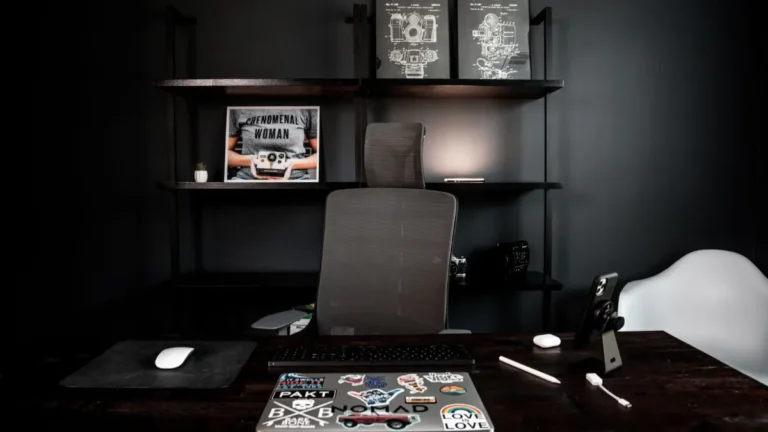 Desk Shelf Guide: Clamp-On Shelves, Risers, Hutches, Sizes and Weight CapacityQuick answer: a desk shelf adds a second level to your desk for a monitor, books or supplies. Main types are…Read more →
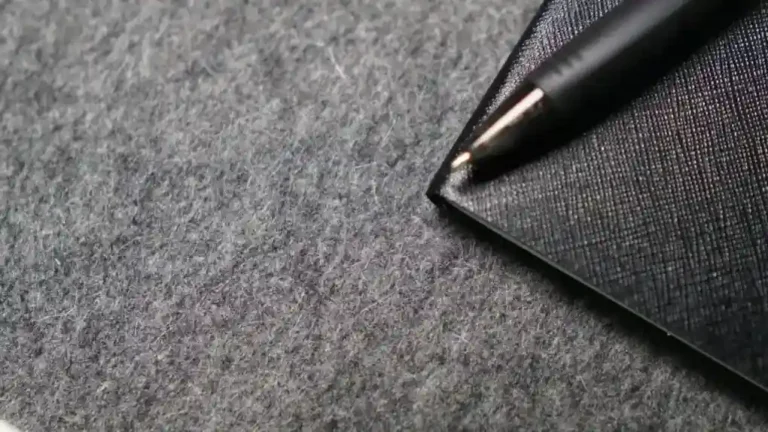 Desk Pad Guide: Leather, PU, Felt and Cloth Materials, Size, Grip and CleaningA desk pad is a large mat that sits on your desk. It protects the surface from scratches, spills and heat,…Read more →
 Secretary Desk Guide: Fold-Down Writing Surface, Hutch, Pigeonholes, Sizes and Small-Space UsesQuick answer: a secretary desk, also called a secretaire or drop-front desk, is a desk with a hinged writing…Read more →



2 Comments