Desk Pad Guide: Leather, PU, Felt and Cloth Materials, Size, Grip and Cleaning
A desk pad is a large mat that sits on your desk. It protects the surface from scratches, spills and heat, gives your mouse a smooth place to glide and makes the desk look tidier. It also feels better under your wrists and forearms than bare wood or glass. It is a small purchase with a surprisingly big effect on how your workspace looks and feels.
This article is part of our home office desk guide, where you can compare related options.
A desk pad, also called a desk mat or blotter, is a flat covering for the work area of a desk. It can be leather, PU (synthetic) leather, wool felt, cloth, glass or other materials. This guide explains the materials, how to choose a size, why grip and thickness matter, how to clean a desk pad and how to match it to your setup. They said little about neoprene and felt cleaning, so those parts are general knowledge, and I mark them. See the writing desk and small desk guides for desk setups.
Why Use a Desk Pad?
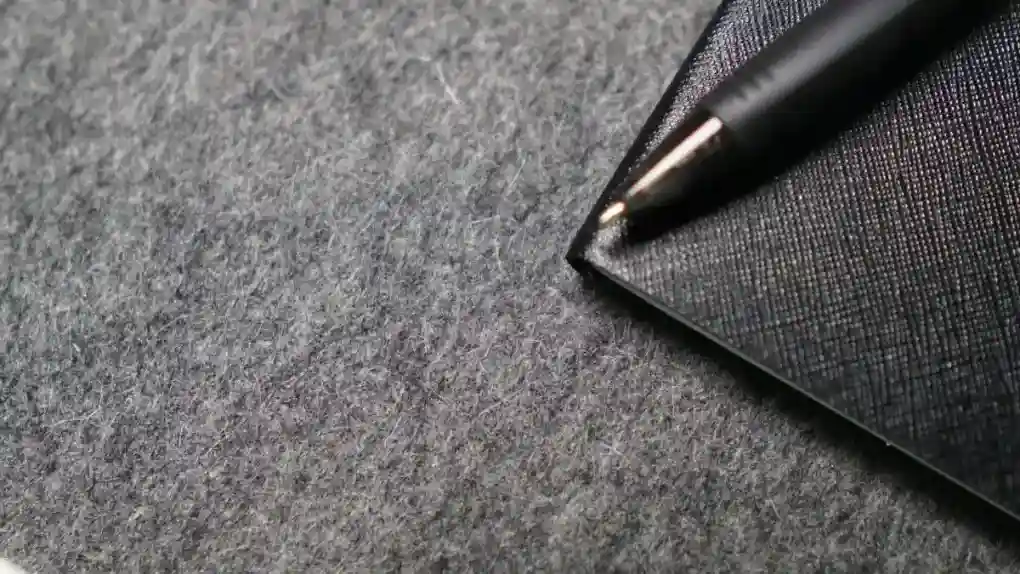
Key points: protects the desk from scratches, rings and spills; gives a smooth mouse surface; improves comfort for wrists and forearms; reduces noise. A pad dampens keyboard and cup noise; organizes the desk. It defines the work area; adds style. A pad can anchor the look of a workspace; helps a cold desk feel warmer, especially with a glass or metal surface.
Materials
Leather
Leather is the most commonly recommended material in these guides. One notes that leather offers a premium writing feel and ages gracefully, but requires maintenance. Real leather can darken and develop a patina. It can stain and needs gentle care.
PU (Polyurethane) Leather
PU leather is synthetic. It is praised for spill resistance: one guide says the PU leather material is fully waterproof, so coffee spills bead up and wipe away without staining. It is cheaper than real leather and easy to clean. It can crack or peel over years.
Felt
Only one result mentions it, saying wool felt desk pads are usually more affordable than genuine leather. The sources said nothing about felt’s spill resistance or cleaning. From general knowledge, felt is soft, quiet and warm, but absorbs liquids and can stain.
Cloth and Fabric
Cloth pads are soft and often printed. They are light and affordable. Many use a microfiber or woven surface with a rubber base. Spills soak in, so choose treated fabrics if you spill.
Glass
Glass desk pads are clear and protect the desk surface. They can slide, so check the base. See the glass coffee table guide for glass safety points.
Neoprene (General Knowledge)
None of the results discuss neoprene. It is a common mouse-pad and mat material. It is flexible, water-resistant and grippy. I have no sourced information on how it compares to the options above.
Cork, Wood and Bamboo
Natural materials with a warm look. Cork is soft and grippy.
| Material | Feel | Spill resistance | Notes |
|---|---|---|---|
| Leather | Premium, ages well | Medium | Needs care |
| PU leather | Smooth | High | Can crack over time |
| Felt | Soft, quiet | Low (general) | Affordable |
| Cloth | Soft | Low to medium | Light, printed designs |
| Glass | Hard, clear | High | Can slide |
| Neoprene | Flexible | High (general) | Not covered in sources |
Size
Guides advise measuring first. One suggests a pad should leave enough space for your keyboard, mouse and other essentials.
Common sizes: Mouse pad size (about 9 by 8 inches). Just for the mouse. Medium (about 24 by 12 inches). Keyboard and mouse. Large (about 32 to 36 by 16 inches). Keyboard, mouse and some space. Extra large (about 40 to 47 inches wide). Covers a full desk front. Blotter style (about 20 by 36 inches). A traditional writing pad. Curved desk pads. For curved or L-shaped desks.
Measure your desk, your keyboard and your mouse movement area. Leave a small border of desk around the pad if you like, or go edge to edge. For standing desks, see the standing desk pad notes (an anti-fatigue mat is a different product).
Thickness and Grip
One guide notes that thin pads tend to shift while you type, so look for enough heft and a non-slip base. Desk pads that are too thin easily shift when used for typing. Choose one with sufficient thickness and a good anti-slip bottom.
Key points: non-slip base. Rubber or silicone; edge finish. Stitched or sealed edges last longer; flat lying. Avoid pads that curl at the edges; weight. A heavier pad stays put.
If a pad curls from being rolled in the box, flatten it under a heavy book for a day.
Spill Protection
If you drink at your desk, choose a water-resistant material. For spill protection, one source recommends a water-resistant material if you have a tendency to spill drinks. PU leather and sealed surfaces are better than uncoated fabric. Wipe spills right away.
Cleaning and Care
Wipe with a damp cloth. Dry it with a clean cloth afterward. Avoid harsh chemicals that could damage the pad material, according to one guide. Test cleaners on a corner first. Real leather: use a leather cleaner and conditioner sparingly. PU leather: wipe with mild soap and water. Felt and cloth: spot clean. Some may be hand washed. Check the label (general knowledge). Dry flat. Avoid heat and direct sun, which can fade or warp. Roll it loosely if you need to store it.
Using a Desk Pad With a Setup
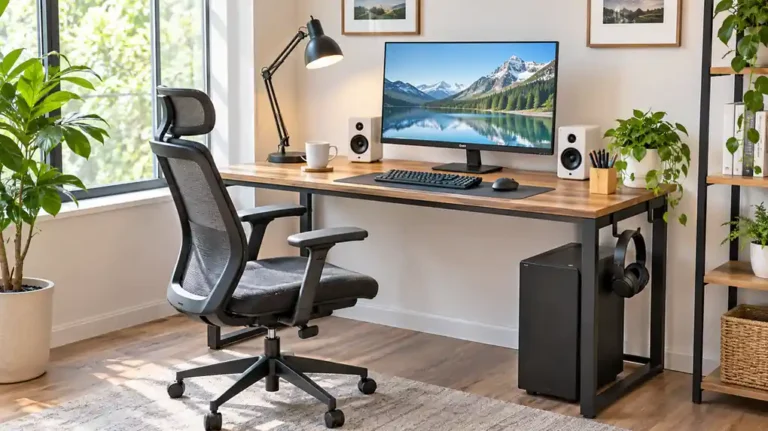
Under keyboard and mouse. The most common use. With a monitor stand. See the monitor stand guide. With a laptop. The pad protects the surface under heat. With a writing blotter. For handwriting. On a kids’ desk. A washable pad protects the desk. See the kids desk guide. On a gaming desk. Large pads suit mouse movement. On a glass desk. Look for a non-slip underside to prevent sliding.
Match the color to your desk and room. Black, gray, tan, navy and brown are common. See the writing desk guide for setup ergonomics.
What are the main strengths and weaknesses?
On the plus side: protects the desk; smooth mouse surface; comfortable and quiet; tidy look; affordable. On the downside: cheap pads shift or curl; some materials stain; real leather needs care; large pads can crowd small desks.
How to Choose a Desk Pad
Decide the main use: protection, comfort or style. Measure your desk and equipment. Choose a material: leather, PU, felt, cloth or glass. Check thickness and grip. Check spill resistance. Check edge quality. Check cleaning instructions. Match color and style. Read reviews for curling and slipping.
What mistakes should you avoid?
A few common mistakes are worth avoiding: buying a pad that is too small; choosing a thin pad with no grip; using harsh cleaners; picking cloth if you spill often; ignoring curl from rolled packaging; forgetting that large pads can crowd small desks.
Frequently Asked Questions
What is the best material for a desk pad?
Leather is the most recommended for feel and looks. PU leather is easier to clean and spill resistant.
What size desk pad should I buy?
Enough for your keyboard and mouse and other essentials. Measure your desk first.
Do desk pads slip?
Thin pads can. Choose one with enough thickness and a non-slip base.
How do I clean a desk pad?
Wipe with a damp cloth, dry it and avoid harsh chemicals.
Is a felt desk pad good?
Wool felt is usually more affordable than leather.
Can a desk pad protect my desk from spills?
A water-resistant pad can, if you wipe spills quickly.
Conclusion
A desk pad is a small upgrade that protects your desk and makes working more comfortable. Choose a material that suits your habits, pick a size that fits your keyboard and mouse, look for thickness and a non-slip base and clean it with gentle products.
With the right pad, your desk looks tidier and feels better to use every day.
Related guides
 Desk Shelf Guide: Clamp-On Shelves, Risers, Hutches, Sizes and Weight CapacityQuick answer: a desk shelf adds a second level to your desk for a monitor, books or supplies. Main types are…Read more →
 Wood Desk Guide: Solid Wood vs Veneer, Weight, Repairability, Size and CareQuick answer: a wood desk can be solid wood or a thin layer of real wood (veneer) over a cheaper core. Solid…Read more →
 Secretary Desk Guide: Fold-Down Writing Surface, Hutch, Pigeonholes, Sizes and Small-Space UsesQuick answer: a secretary desk, also called a secretaire or drop-front desk, is a desk with a hinged writing…Read more →