
White Bookshelf Guide: Shelf Depth, Weight Capacity, Anchoring, Finishes and Styling
Quick answer: a good white bookshelf matches its shelf depth to your books (about 15 to 20 centimeters for paperbacks and 25 to 30 for large books), lists a per-shelf weight capacity and is anchored to a wall stud if it is tall and freestanding. Choose a durable white finish, because white shows scuffs and sags more than dark wood.
This article is part of our shelves, bookcases and storage furniture guide, where you can compare related options.
White bookshelves brighten a room, suit nearly any style and make small spaces feel larger. They also have two common problems: cheap models sag under books and the finish chips or yellows. This guide explains how to size a white bookshelf, how deep shelves should be, how much weight they hold, how to anchor them, what to check about the white finish and how to style them. Many numbers are metric and come from vendor guides, so treat them as rough.
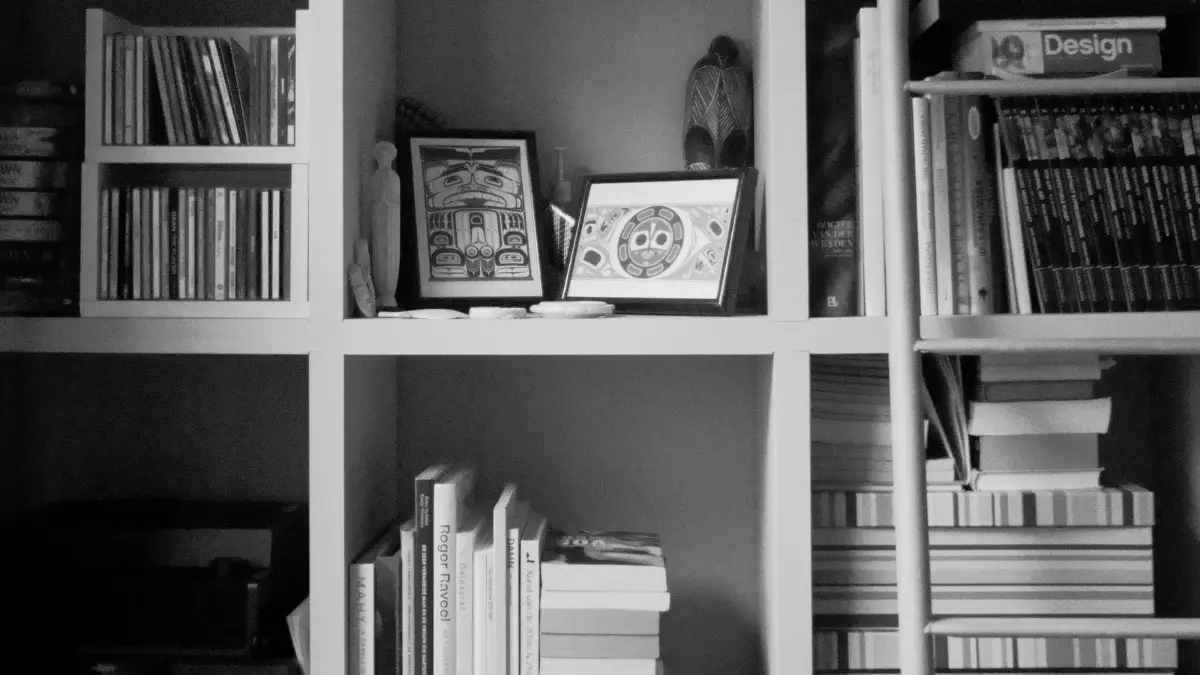
Types of White Bookshelves
Freestanding bookcase: floor-standing, with fixed or adjustable shelves. Ladder bookshelf: leans against the wall, with a narrow top and wider base. Wall-mounted or floating shelves: mount to the wall. A white floating shelf is simple and light. Cube organizer: square cubbies for books, bins and toys. Corner bookshelf: fits into a corner. Bookshelf with doors or drawers: hides clutter. Horizontal low bookcase: waist-high, can double as a console. See the tv console table guide. Built-in look: tall units side by side to mimic built-ins.
Shelf Depth
Depth decides what fits. The sources say: A shelf depth of 15 to 20 centimeters (about 6 to 8 inches) is enough for most paperbacks. For larger coffee table books or binders, plan for 25 to 30 centimeters (about 10 to 12 inches). Another guide recommends at least 25 centimeters for textbooks and academic journals.
Conversions to inches are mine. A deeper shelf takes more floor space. For a hallway or a narrow room, a shallow bookcase with front-facing display shelves works. A deep bookcase beside a sofa should not block the walkway.
Weight Capacity
Check both the per-shelf limit and the total unit limit in the maker’s documentation. A guide says to subtract the weight of the shelf itself from the total to find the real usable capacity. One suggests at least 15 to 30 kilograms (about 33 to 66 pounds) per shelf for reference books, although that is a vendor guideline.
Books are heavy. A rough habit: do not stack heavy books on a single wide shelf with no center support. Long shelves sag over time, especially thin ones. Look for a center support or a thicker shelf board. Cheap white floating shelves can be rated for very little, with one listing at a maximum of 2.5 pounds per shelf and plastic drywall anchors, which are not suited to heavy books.
Wall Anchoring and Tip-Over Safety
The same safety guide explains: Tall freestanding units need anti-tip straps. One end attaches to the bookshelf and the other to the wall. After installation, remove slack so the bookshelf cannot move forward significantly. Bookshelves without a recessed kickboard or base cutout may sit away from the wall, which prevents proper anchoring. Check the base design. Wall-mounted shelves: the capacity depends on the whole system, meaning the board, the brackets, the wall anchors and the wall itself. Screwing directly into studs gives the highest capacity. A solid concrete wall can bear more than drywall. Bracket size should match the shelf depth.
Always follow the maker’s instructions. Children climb bookcases, so anchoring is a must in homes with kids. See the tall dresser and kids dresser guides.
White Finish: What to Check
White shows damage more than dark colors.
Laminate. Durable and easy to wipe, but chips can show a dark core. Painted wood. Looks soft. Can chip and yellow over time. Lacquer. Smooth and glossy but shows fingerprints. Melamine. Hard-wearing and common in affordable pieces. Matte vs gloss. Matte hides smudges, gloss reflects light.
Look at the edges. Taped or banded edges should be tight and smooth. Test the finish by running a finger over it.
Materials and Build
Key points: solid wood painted white is strong and repairable; plywood with a white veneer is sturdy; MDF is smooth and takes paint well but can swell if wet; particleboard is the cheapest and most prone to sagging; metal frames with white powder coat look modern.
Check the back panel. A thin cardboard back adds no strength, while a solid back panel stiffens the unit. Cam locks and dowels should feel tight after assembly.
Sizes and Layouts
Choose by wall space and use.
Narrow (under 24 inches wide) for hallways and between windows. Standard (30 to 36 inches wide) for living rooms and bedrooms. Wide or double units for wall-to-wall storage. Tall (70 to 80 inches) to use vertical space, but anchor. Low (30 to 40 inches) for sight lines or a seat top.
Measure ceiling height, baseboards and outlets. Leave room for door and window swings. Consider adjustable shelves so you can fit tall books.
Styling a White Bookshelf
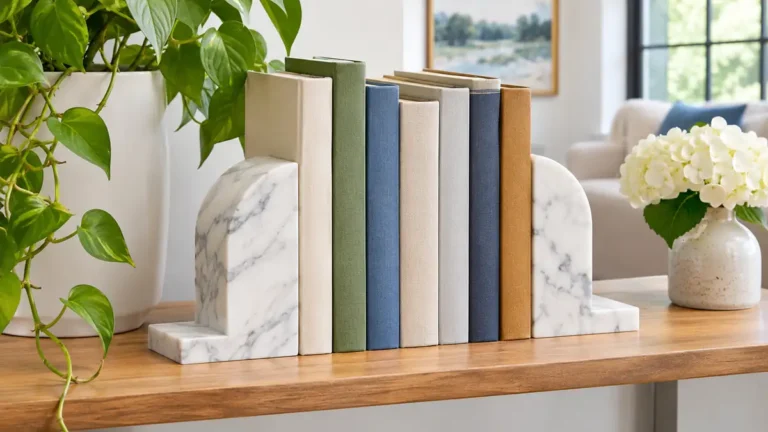
Mix books with objects. Add plants, frames, baskets and ceramics. Group by color or by height for order. Leave some gaps so it does not feel packed. Use baskets and boxes to hide clutter on the lower shelves. Add lighting. LED strips or a nearby lamp highlight displays. Paint the back wall or use wallpaper behind open shelves for contrast. Match the room. White bookshelves suit modern, farmhouse, coastal and Scandinavian rooms.
Cleaning and Care
Key points: dust with a soft cloth; wipe marks with a damp cloth and mild soap; avoid abrasive cleaners that dull the finish; touch up chips with matching paint or filler; keep out of direct sun to prevent yellowing; redistribute books if shelves bow.
What are the main strengths and weaknesses?
On the plus side: bright and clean look; goes with most decor; makes small rooms feel larger; many sizes and styles. On the downside: shows scuffs and dirt; cheap finishes chip; long shelves sag; needs anchoring.
How to Choose a White Bookshelf
Measure the wall and ceiling. Decide what you will store and pick shelf depth. Check per-shelf and total weight capacity. Choose freestanding or wall-mounted. Check anchoring hardware. Check the finish and edges. Check materials and back panel. Choose adjustable shelves if you can. Plan styling. Read reviews for sagging and chips.
What mistakes should you avoid?
A few common mistakes are worth avoiding: choosing shelves too shallow for large books; ignoring weight ratings; skipping the wall anchor; using plastic anchors for heavy shelves; overloading long shelves; buying cheap white laminate that chips easily.
Frequently Asked Questions
How deep should a bookshelf be?
About 15 to 20 centimeters for paperbacks and 25 to 30 for larger books and binders.
How much weight can a bookshelf hold?
Check the maker’s per-shelf and total limits. One guide suggests 15 to 30 kilograms per shelf for reference books.
Do I need to anchor a white bookshelf?
Yes, if it is tall and freestanding. Use anti-tip straps into the wall.
Why do white bookshelves yellow?
Sun exposure and cheap paint or finishes. Keep out of direct sun and choose a durable finish.
Can I mount a bookshelf on drywall?
Only with studs or rated anchors. Plastic anchors are not suited to heavy books.
What style suits a white bookshelf?
Almost any: modern, farmhouse, coastal or Scandinavian.
Conclusion
A white bookshelf brightens a room, but only if it is sturdy. Pick the depth that matches your books, check the weight ratings, anchor tall units and choose a durable finish.
Style it with a mix of books and objects. A well-chosen white bookshelf stays useful and fresh for years.
Related guides
 Ladder Bookshelf Guide: Leaning Angle, Depth, Weight Capacity and Why You Should Anchor ItQuick answer: a ladder bookshelf leans against a wall, with a wide base and narrowing shelves that step back…Read more →
 Rotating Bookshelf Guide: Sizes, Clearance, Weight Capacity and How to ChooseA rotating bookshelf lets you spin your books around to find the one you want. It stores a lot of books in a…Read more →
 Small Bookshelf Guide: Sizes, Materials, Anchoring and Ideas for Tight SpacesA small bookshelf can do a lot in a small home. It holds your favorite books, fills an awkward corner and adds…Read more →
 White Couch Guide:, Stains, Fabrics, Slipcovers and How to Keep It CleanA white couch is the dream sofa and the nightmare sofa at the same time. It looks bright, calm and expensive.…Read more →


One Comment