Wood Dresser Guide: Solid Wood vs Veneer, Dovetail Drawers, Species and Care
A wood dresser is a long-term piece of furniture. You open its drawers every day, it holds your clothes and it sits in your bedroom for years. A good one can last for decades and look better with age. A poor one can sag, stick and lose its finish within a few years. The word “wood” on a label does not tell you much, because it can mean solid wood, wood veneer on particleboard or a mix.
This article is part of our bedroom furniture guide, where you can compare related options.
A wood dresser is a chest of drawers made from solid wood, wood veneer or a combination. This guide explains the difference between solid wood and veneer, what to look for in drawer construction, the common wood species, finishes, safety and care. The search results were mostly retailer product pages, so the claims about veneer and solid wood come from sellers. Always check each product’s construction details.
Solid Wood vs Veneer
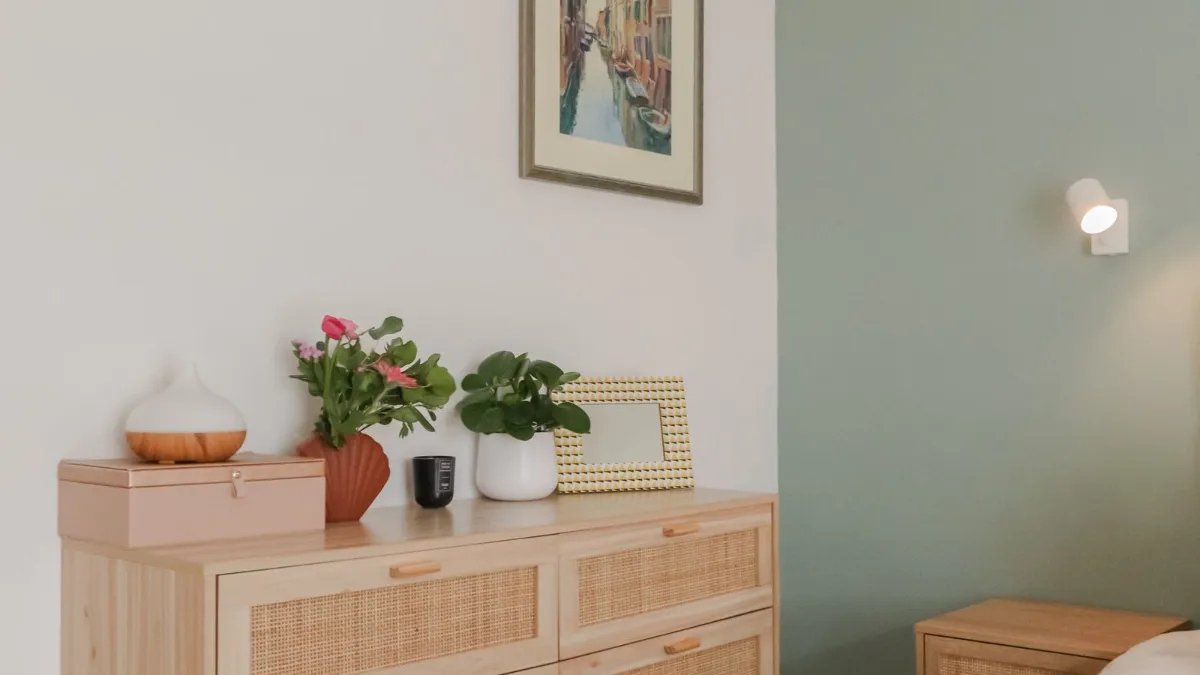
Solid wood: the dresser is built from boards of real wood. It is strong, can be refinished and often lasts for generations. It is heavier, usually costs more and can expand or contract with humidity. Wood veneer: a thin layer of real wood glued over a core of plywood, MDF or particleboard. Retailers often present veneer as the more stable option. One walnut dresser listing says veneers resist environmental swings, while solid wood can be susceptible to warping or swelling as moisture levels change. A furniture maker’s statement notes that veneers enable more decorative looks that are not possible with solid wood. These are sales claims from sellers of veneer pieces, but they reflect real trade-offs. Mixed construction: many “wood” dressers combine solid wood fronts with veneered panels. One designer line, for example, uses solid wood and wood veneer on engineered wood for the case, with dovetail joinery on the drawers. Laminate or printed finishes: these imitate wood and are not real wood. Check the description.
| Type | Strength | Cost | Notes |
|---|---|---|---|
| Solid wood | High | Higher | Can be refinished |
| Veneer on plywood | Good | Medium | Stable, limited refinishing |
| Veneer on MDF/particleboard | Lower | Lower | Check thickness |
| Laminate/print | Varies | Low | Not real wood |
A practical takeaway: a solid-wood dresser with dovetailed drawers and full-extension slides is the usual target for longevity. Veneer over engineered wood is a legitimate, often cheaper choice, especially in humid climates. Check the construction details on each listing.
Drawer Construction
The drawers are where you will notice quality every day.
Dovetail joinery. Interlocking wooden “fingers” at the corners. A dovetail-focused seller calls it superior strength. It is a sign of quality. Solid wood drawer sides. Better than thin particleboard. Plywood or solid bottoms. A thin hardboard bottom can sag. Soft-close glides. Slow the drawer at the end for a quiet close. Full-extension slides. Let you pull the drawer all the way out so you can reach the back. Center or side-mounted metal glides. Smooth and durable. Wood-on-wood runners. Traditional and can last long if the wood is smooth and waxed. Dust panels. Separate drawers inside the case. Finished interiors. Smooth, sanded and sealed to avoid snagging clothes.
Open and close every drawer before you buy. They should move smoothly, sit flush and not wobble.
Wood Species (General Knowledge)
These are general notes, so confirm them with the maker.
Oak. Strong, hard and widely used. Visible grain. Red oak and white oak are common. Maple. Hard, smooth and light colored. Takes stains well. Walnut. Rich, dark and popular in mid-century and modern designs. Cherry. Warm, reddish and darkens with age. Pine. Softer, more affordable and dents more easily. Common in rustic and country styles. Birch. Light, smooth and often used for painted or light finishes. Mahogany. Traditional and rich. Acacia and mango. Often used in rustic or boho pieces. Reclaimed wood. Gives character and a story.
Harder woods resist dents and scratches better. Softer woods are cheaper but show wear.
Finishes
Key points: stained finishes show the grain and change the color; painted finishes give solid color. Check for chipping; clear lacquer or varnish protects the surface; oil or wax finishes feel natural and need re-application; matte, satin or gloss. Matte hides fingerprints. Gloss shows scratches.
For a child’s dresser, look for low-VOC, non-toxic finishes.
Safety
Anchor the dresser to the wall. Tipping is a serious risk, especially with children. Use the anti-tip kit and screw it into a stud. Do not open many drawers at once. Do not put a heavy TV on top unless the dresser is made for it. Check the weight capacity. Use a level floor.
See the dresser guide and the small dresser guide for more on tip-over safety and the STURDY Act.
Care
Key points: dust regularly with a soft cloth; wipe spills quickly; use coasters and trays under items; avoid harsh cleaners. Use a mild wood cleaner; keep out of direct sun and away from heat; control humidity. Solid wood expands and contracts. A steady room humidity helps; wax or polish according to the finish; lift, do not drag; check screws and hardware occasionally; do not overload the drawers.
Sizes and Layout
Dressers come in many sizes.
Key points: tall chest. Five or six drawers, narrow and tall; wide dresser. Six to nine drawers across; double dresser. Two columns of drawers; lowboy. Wide and low, with a top for a TV or mirror (check weight); combo dresser and mirror. Matches the bedroom set.
Measure the wall space, the drawer clearance and the delivery path. See the small dresser guide for measuring tips.
What are the main strengths and weaknesses?
On the plus side: strong and long-lasting if well made; warm, natural look; can be refinished (solid wood); holds value. On the downside: can be heavy and expensive; solid wood can warp in humid conditions; needs care; quality varies, and “wood” can mean veneer.
How to Choose a Wood Dresser
Decide on solid wood or veneer for your budget and climate. Check the drawer construction: dovetails, solid sides, good glides. Open and close every drawer. Check the back and bottom panels. Choose a finish you like and can maintain. Measure the room and the delivery path. Plan wall anchoring. Check the warranty. Read reviews for notes on sagging drawers.
What mistakes should you avoid?
A few common mistakes are worth avoiding: assuming “wood” means solid wood (check the description); ignoring drawer quality; skipping the wall anchor; overloading drawers; placing it in direct sun or a damp room; choosing a size that does not fit the room.
Frequently Asked Questions
Is a solid wood dresser better than veneer?
Solid wood lasts long and can be refinished. Veneer is often more stable and cheaper. Quality of construction matters most.
What are dovetail drawers?
Drawers joined with interlocking wooden fingers at the corners, a sign of strength.
What wood is best for a dresser?
Hardwoods like oak, maple, walnut and cherry are durable. Pine is softer and more affordable.
How do I care for a wood dresser?
Dust it, wipe spills, use coasters and avoid sun and damp.
Do dressers need to be anchored?
Yes, especially tall ones.
Can I refinish a wood dresser?
Solid wood can be refinished several times. Veneer can be refinished only lightly.
How long does a wood dresser last?
A well-made solid wood dresser can last for decades.
Conclusion
A wood dresser is a long-term investment. Check whether it is solid wood or veneer, look closely at the drawers and joinery, choose a finish you can care for and anchor the dresser to the wall.
With careful choosing and simple care, a wood dresser will hold your clothes and look good for many years.
Related guides
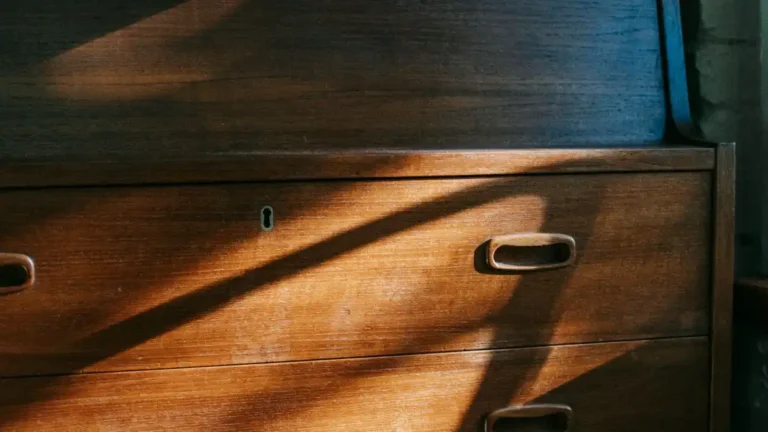 Solid Wood Dresser Guide: How to Spot Real Wood, Dovetail Joints, Veneer vs Solid and What to CheckQuick answer: a solid wood dresser is made mostly of real boards, not particleboard with a thin wood-look…Read more →
 Dresser for Bedroom: How to Choose the Right Size, Style and Safe SetupA dresser is the workhorse of the bedroom. It holds your clothes, keeps floors clear and gives you a surface…Read more →
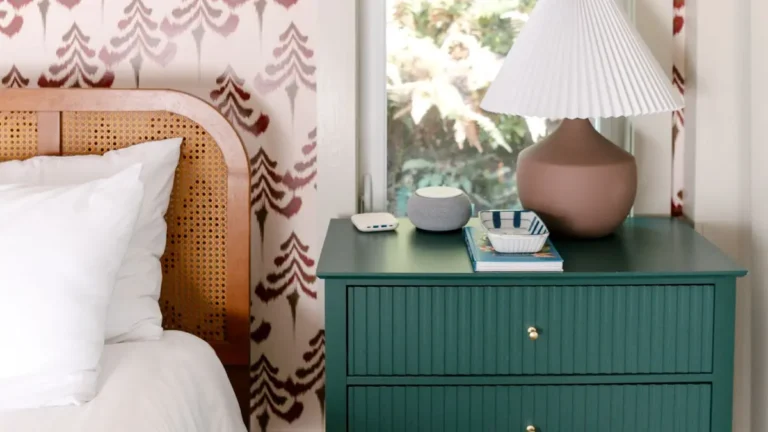 Green Dresser: Paint Choices, Shades and Bedroom PairingsA green dresser adds color to a bedroom without taking over the room. You can buy one already green or paint an…Read more →
 Baby Dresser Guide: Changing Table Dressers, STURDY Act, Wall Anchoring and CPSC Recall LessonsQuick answer: a baby dresser stores clothes and diapers and often doubles as a changing table with a topper.…Read more →