Solid Wood Dresser Guide: How to Spot Real Wood, Dovetail Joints, Veneer vs Solid and What to Check
Quick answer: a solid wood dresser is made mostly of real boards, not particleboard with a thin wood-look surface. To check, feel the weight, look at the grain on edges and the underside, examine drawer joints for dovetails and look inside for hidden unfinished wood. A veneer dresser over plywood can look the same and is not automatically poor quality.
This article is part of our bedroom furniture guide, where you can compare related options.
A solid wood dresser can last for decades, survive a few moves and be refinished when it gets scratched. It also costs more and is heavier than most engineered dressers. The trick is knowing what you are really buying, because words like “wood,” “real wood” and “wood finish” do not always mean solid wood. This guide explains how to tell solid wood from veneer and particleboard, what joints to look for, how humidity affects wood, how to inspect a dresser in a store or at a yard sale, how to anchor and care for it and how to choose. Care guidance was thin, so the care section is general.

What Does Solid Wood Mean?
Solid wood furniture is built from boards cut from a tree, as opposed to engineered materials like MDF or particleboard. Many “solid wood” dressers have a mix: solid wood frames and drawer fronts with plywood back panels or drawer bottoms. That is normal and often good. The question is whether the main structure is solid wood or whether it is thin surface wood over a weak core. See the wood dresser guide for types of wood.
Solid Wood vs Veneer vs Laminate
| Type | What it is | Notes |
|---|---|---|
| Solid wood | Boards cut from a tree | Heavy, repairable, can move with humidity |
| Wood veneer | Thin real wood layer over a core | Looks like wood, can be high quality |
| Laminate | Printed plastic or paper layer | Cheap, not real wood |
| Particleboard or MDF | Pressed wood fibers | Weaker, swells in water |
One source notes a veneer over plywood can look identical to solid wood and may resist warping better in humid environments, so a veneer piece is not automatically lower quality. The best choice depends on your budget and climate.
How to Tell Solid Wood from Veneer
The search results offered these checks: Weight. Real wood is heavy, while veneer-covered particleboard feels surprisingly light. Try lifting one corner. Knock test. Solid wood and plywood-core furniture sounds dense when you knock on it, while hollow particleboard sounds empty. Edges. Continuous grain around the edge points to solid wood. Odd banding or a different edge material suggests veneer. Top and underside. Matching grain on top and bottom of a board indicates solid wood. Hidden parts. Solid wood often shows small imperfections and unfinished sections in hidden places, while veneer looks uniform because it comes prefinished. Grain patterns. On a veneer, the grain pattern may repeat or look too perfect. End grain. A cut end that shows rings across the board suggests solid wood.
No single test is perfect. Use several checks and ask the seller for the construction details.
Dovetail Joints
Dovetails are interlocking, fan-shaped “fingers” at the corners of a drawer. They are a sign the drawer is likely solid wood and carefully built. Staples or nails point to veneer or cheaper construction.
Two cautions from the search: Factory-made drawers can have dovetails too, but they may be inexpensive pine rather than hardwood. One source says dovetails usually signal careful construction, but their condition should be inspected rather than assumed to guarantee strength.
Other quality joints include mortise-and-tenon and tongue-and-groove in the frame. Look for glue, not just staples.
Drawer Construction Checks
Pull a drawer all the way out and look at the sides, back and bottom. Sides should be solid wood or thick plywood, not thin hardboard. Bottom panel. Plywood is fine. Thin cardboard-like panels sag. Glides. Wood-on-wood glides can be smooth and durable, while metal glides add full extension. Test for sticking and wobble. Fit. Gaps should be even. Stops. Drawers should have stops so they do not fall out. Smell. A strong chemical smell can indicate cheap glue or finish. Let a new dresser air out.
Finish and Wood Movement
One source describes the finish as the main barrier protecting the wood from environmental damage, and another says to check how the finish handles local humidity. Solid wood expands and contracts with humidity, which is why quality pieces allow for wood movement. Signs of poor design include a top glued tightly on all sides, cracks along the grain and sticking drawers in summer.
Look for an even, smooth finish without drips or rough spots. Run your hand along the surface and edges.
Wood Types
Key points: oak. Strong, visible grain; maple. Hard, smooth, light color; cherry. Warm, darkens over time; walnut. Rich, dark, higher cost; pine. Soft, affordable, dents easily; mahogany. Traditional, deep color; acacia, rubberwood and mango. Often used in imports.
Hardwoods like oak and maple are usually more dent-resistant than softwoods like pine (general knowledge).
Safety: Anchor It
Solid wood dressers are heavy, and a heavy dresser can seriously hurt a child if it tips. Anchor to a wall stud with an anti-tip kit, put heavy items in lower drawers and do not let children climb. Consumer Reports has found that even short dressers can tip. See the kids dresser, tall dresser and dresser with mirror guides for details and recall advice.
Care
Care guidance in the search was thin, so these are general habits.
Key points: dust with a soft cloth; wipe spills at once; use coasters and trays; keep out of direct sun, which fades the finish; keep away from heat vents; keep room humidity steady, if you can; use polish sparingly and follow the maker’s advice; lift, do not drag; refinish by a professional if scratched deeply.
Buying Second-Hand
Used solid wood dressers can be a bargain.
Key points: check for wobble and cracks; smell for mold or smoke; check for pests such as small holes or dust; check drawers for smooth operation; ask about the finish and any repairs; check for recalls on older units.
What are the main strengths and weaknesses?
On the plus side: durable and long-lasting; can be sanded and refinished; holds value; strong drawers with hardware. On the downside: heavy and hard to move; more expensive; can warp, crack or stick with humidity changes; soft woods dent.
How to Choose a Solid Wood Dresser
Set a budget and decide between solid wood and quality veneer. Ask for construction details: materials, joints and finish. Do the weight, grain and knock tests. Inspect drawer joints and glides. Check the finish. Measure your space and doorways. Plan anchoring. Check the warranty. Read reviews or inspect in person. Plan delivery.
What mistakes should you avoid?
A few common mistakes are worth avoiding: assuming “wood” means solid wood; judging by looks alone; ignoring drawer construction; skipping the wall anchor; ignoring humidity; buying a very heavy dresser without checking stairs.
Frequently Asked Questions
How can I tell if a dresser is solid wood?
Check the weight, grain on edges and underside, drawer joints and hidden unfinished areas.
Is veneer bad?
Not always. Veneer over plywood can be good quality and resist warping.
Are dovetail joints always a sign of quality?
They are a good sign but not a guarantee. Inspect their condition.
Is a solid wood dresser worth it?
For long-term use and refinishing, often yes, but quality veneer can also be a good value.
Do I need to anchor a solid wood dresser?
Yes. Anchor it to a wall stud.
How do I care for solid wood?
Dust, wipe spills, avoid sun and heat and keep humidity steady.
Conclusion
A solid wood dresser is a long-term piece if you buy carefully. Check weight, grain, joints and finish, remember that good veneer is not a bad choice and anchor the finished dresser to the wall.
Take your time inspecting, and you will get a dresser that lasts.
Related guides
 Wood Dresser Guide: Solid Wood vs Veneer, Dovetail Drawers, Species and CareA wood dresser is a long-term piece of furniture. You open its drawers every day, it holds your clothes and it…Read more →
 Dresser for Bedroom: How to Choose the Right Size, Style and Safe SetupA dresser is the workhorse of the bedroom. It holds your clothes, keeps floors clear and gives you a surface…Read more →
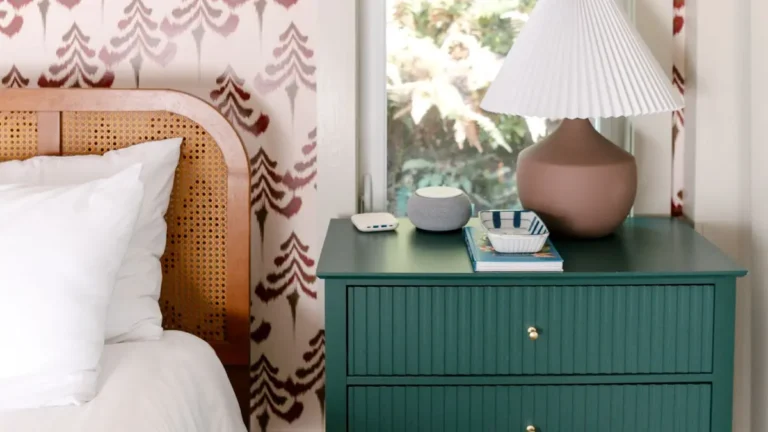 Green Dresser: Paint Choices, Shades and Bedroom PairingsA green dresser adds color to a bedroom without taking over the room. You can buy one already green or paint an…Read more →
 Baby Dresser Guide: Changing Table Dressers, STURDY Act, Wall Anchoring and CPSC Recall LessonsQuick answer: a baby dresser stores clothes and diapers and often doubles as a changing table with a topper.…Read more →