Mid Century Modern Dresser: Walnut and Teak, Tapered Legs, Sizes and Vintage Buying Tips
A mid century modern dresser is low and clean-lined, made mostly of walnut or teak, and it usually stands on tapered legs. Walnut pieces are typically American and teak pieces are usually Danish. Sizes vary a lot, from narrow chests about 31 inches wide to long credenza-style dressers near 80 inches, with typical depths of about 16 to 22 inches.
This article is part of our bedroom furniture guide, where you can compare related options.
This style has stayed popular because it fits almost any room. The dresser sits lightly on its legs, the wood grain does the decorating and the lines are simple. You can find true vintage pieces from the 1950s to 1970s, and many makers sell new dressers in the same style.
A mid century modern dresser is a chest of drawers in the style of mid-20th-century design. This guide covers the woods, legs, hardware, sizes, how to buy vintage and how to style one. Designer names in listings are not verified here, and this is not appraisal advice.

What woods are used?
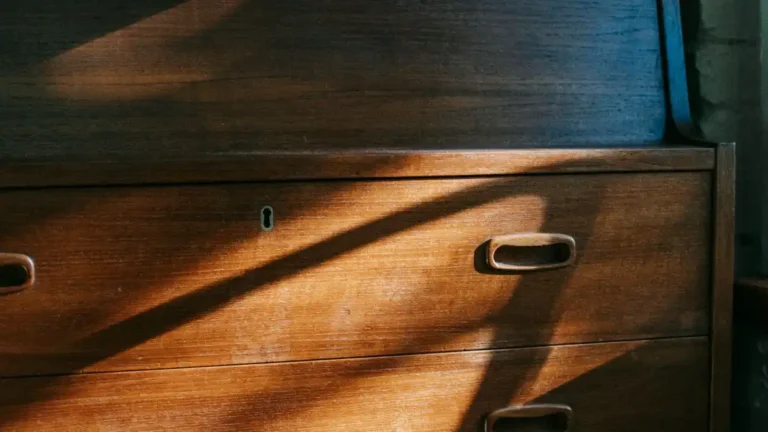
Walnut and teak dominate. Walnut pieces are typically American and have a rich brown tone. Teak pieces are usually Danish and have a warmer, golden color. Some listings combine woods or materials, such as a walnut dresser that uses walnut veneers with rubberwood solids. Rosewood and oak also appear on high-end dealer sites.
Our wooden dresser guide explains the difference between solid wood and veneer, which matters for repair. Vintage veneer was often well made, but edges can chip.
What do the legs and hardware look like?
Tapered legs are the signature feature. One listing describes tapered, splayed legs in a warm walnut finish, and another notes that some tapered legs are tipped with brass. Some legs are detachable, like one teak dresser whose legs come off for easier transport. Drawer pulls vary. Danish teak pieces often have sculpted pulls, some have louvered drawers and others use bentwood or brass handles.
Replacing missing or damaged hardware can be hard on a vintage piece, so check that the pulls match.
How big is a mid century dresser?
Sizes vary by format. A lowboy is long and low, such as a 70.5-inch-wide walnut dresser that stands 33.75 inches high. A highboy runs taller, like a teak dresser 32.25 inches wide, 18 inches deep and 47 inches tall. Typical depths are about 16 to 22 inches, and widths range from roughly 31 inches for narrow chests to 80 inches for credenza-style pieces.
Measure your wall, your doorways and your stairs before buying, because solid wood pieces are heavy. Our 3 drawer dresser and tall dresser guides cover standard sizes.
What should you check on a vintage dresser?
Pull each drawer out and push it back. It should slide smoothly without sticking. Look inside at the joints, and check for dovetails, which signal good construction. Check the top for water rings, heat marks and lifting veneer. Smell the drawers, since lingering odors can be hard to remove.
Ask the seller about repairs and refinishing, and look for maker marks or labels inside the drawers. I could not verify designer attributions from the listings, so for a high-value piece, ask a specialist. Compare prices across dealers.
Should you buy vintage or new?
Vintage gives you solid construction, unique character and often better wood. It can also come with wear, odors and repair needs. A new dresser in the same style offers predictable condition and returns, but it may use veneer or MDF. Decide based on budget, patience and how much you value authenticity.
If you buy vintage, ask about delivery, since large pieces need careful shipping. If you buy new, check for the STURDY Act anchoring kit, as our baby dresser guide explains.
How do you style a mid century dresser?
Keep the top simple. A lamp, a mirror and a small plant or a stack of books let the wood stand out. Hang a round or arched mirror above it, as our dresser with mirror guide explains. Pair it with a low bed, a simple rug and warm lighting. Add color through art and pillows.
Our mid century modern coffee table guide shows how to carry the same style into the living room. Mix wood tones carefully, or stay with one tone for a calm look.
How do you care for the wood?
Dust with a soft cloth. Use coasters and mats under lamps and drinks. Keep the dresser away from direct sun and heaters, which can dry and fade the wood. Use a wood-safe polish only if the finish allows it. For deep scratches or finish damage, ask a furniture restorer.
Do you need to anchor it?
Yes, especially around children. Anchor the dresser to wall studs, because a loaded dresser can tip. Vintage dressers often lack anchoring hardware, so add a kit. Our baby dresser guide shows the steps.
Where can you find a mid century dresser?
Vintage dealers such as Chairish, 1stDibs and InCollect list many pieces, and local estate sales, thrift shops and online marketplaces can hold bargains. New reproductions come from furniture retailers such as Atlantic Fine Furniture. Compare prices across sources, ask for clear photos of the drawers, joints and underside and confirm shipping costs, since large wooden pieces are expensive to move. Set a budget before you start, because dealer prices vary widely.
Can a mid century dresser work in a modern room?
Yes. The simple lines blend with modern, Scandinavian and even farmhouse rooms. Keep the surroundings calm so the wood grain stands out. A dresser with tapered legs also leaves floor visible, which helps small rooms feel open.
Frequently Asked Questions
What wood is used in mid century dressers?
Mostly walnut and teak, with some rosewood and oak.
What do the legs look like?
Tapered, often splayed, sometimes tipped with brass.
How wide is a mid century dresser?
From about 31 inches for narrow chests to 80 inches for long credenza styles.
How deep are they?
Typically about 16 to 22 inches.
Is vintage better than new?
It depends on budget, condition and how much you value authenticity.
Conclusion
A mid century modern dresser adds warm wood, clean lines and light-looking legs to a bedroom. Look for walnut or teak, check drawers and joints on vintage pieces and measure carefully before you buy.
Because listings give only examples, confirm sizes and condition with the seller. Anchor the dresser to the wall, and it can serve for decades.
Related guides
 Dresser for Bedroom: How to Choose the Right Size, Style and Safe SetupA dresser is the workhorse of the bedroom. It holds your clothes, keeps floors clear and gives you a surface…Read more →
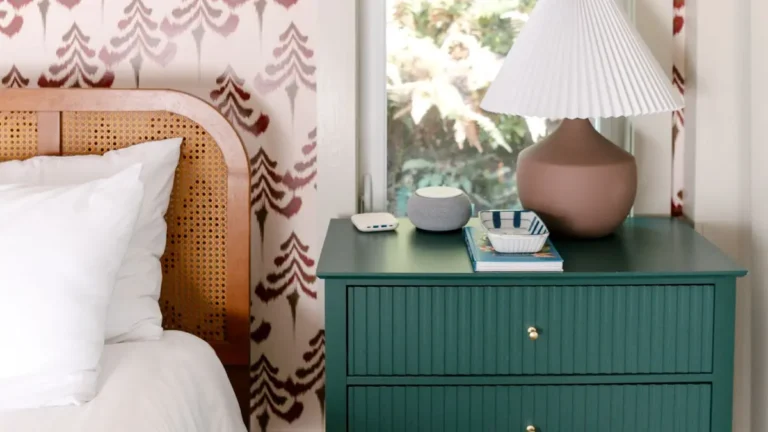 Green Dresser: Paint Choices, Shades and Bedroom PairingsA green dresser adds color to a bedroom without taking over the room. You can buy one already green or paint an…Read more →
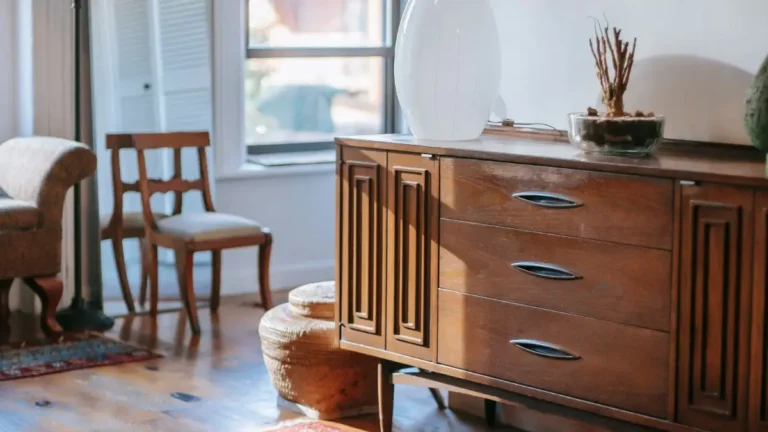 Wooden Dresser Guide: Solid Wood vs Veneer and How to Tell the DifferenceA wooden dresser can be solid wood, wood veneer over MDF or plywood, or a wood-look piece made of…Read more →
 Baby Dresser Guide: Changing Table Dressers, STURDY Act, Wall Anchoring and CPSC Recall LessonsQuick answer: a baby dresser stores clothes and diapers and often doubles as a changing table with a topper.…Read more →