Baby Dresser Guide: Changing Table Dressers, STURDY Act, Wall Anchoring and CPSC Recall Lessons
Quick answer: a baby dresser stores clothes and diapers and often doubles as a changing table with a topper. Furniture tip-overs are a serious danger to children. The STURDY Act, effective September 1, 2023, requires makers to test clothing storage units of certain sizes and weights and provide wall anchoring kits. Always anchor a dresser to wall studs, and check CPSC.gov for recalls, such as the 2026 recall of Timechee changing table dressers.
This article is part of our kids bedroom furniture guide, where you can compare related options.
A baby dresser is the workhorse of a nursery: drawers for onesies, a changing pad on top and a place to put diaper cream. But a dresser is also one of the most common tip-over hazards in homes with young children. Anchoring is not optional. This guide explains types, the STURDY Act, recall lessons, how to anchor, changing top safety, sizes and how to choose. The search did not find a specific height or size rule for changing table toppers, so check the manufacturer’s instructions. This is not safety certification advice. Check CPSC.gov and follow safe-sleep guidance from your pediatrician.
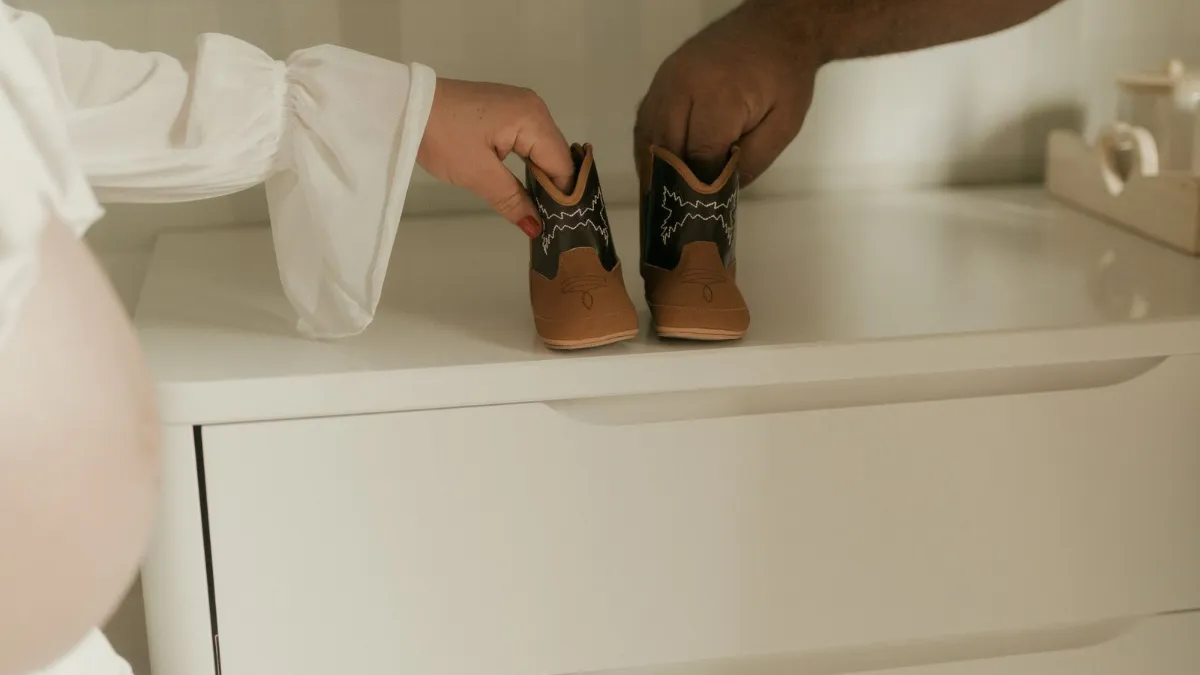
Types of Baby Dressers
Dresser with a changing top. A built-in or removable changing tray on top. Delta Children sells dressers and changers. Changing table with open shelves. Shelves instead of drawers. Convertible dresser. A changing top that can be removed later to make a regular dresser. Standard dresser used with a separate changing pad. Tall chest or narrow dresser. See the tall dresser and 3 drawer dresser guides.
Why Tip-Over Matters
The CPSC’s guidance notes that dressers in particular pose a heightened risk of tipping over. A nursery dresser was involved in a toddler death in one earlier recall, where the dresser should have been sold with the anchoring straps and instructions (Kids In Danger). Children climb drawers like a ladder, and a loaded dresser can tip when drawers open. Anchor all furniture, not just the baby dresser. See the kids dresser, dresser with mirror and tall dresser guides.
The STURDY Act
Effective September 1, 2023, the STURDY Act requires furniture makers to test pieces over a specific size and weight range and provide wall anchoring kits. Older pieces can still be sold, so you could still potentially end up with a dresser or nightstand that does not have an anchoring kit already included. Check whether your dresser meets the standard and includes anchors. If not, buy anchors and install them. Check CPSC.gov for details. This is not legal advice.
Recall Lesson: Timechee Changing Table Dressers
The CPSC recalled Timechee changing table dressers, about 10,354 units sold on Amazon, because they are unstable if not anchored to the wall, posing tip-over and entrapment hazards. The recall says they violate the mandatory safety standard as required by the STURDY Act. The unit measured 47.2 inches long by 19.5 inches wide by 36.1 inches tall and weighs 160 pounds. If yours is one of these, the CPSC says to stop using the recalled dressers immediately if they are not anchored to the wall. Check CPSC.gov for the current recall remedy. News outlets reported on the recall. The lesson: check recalls before you buy and after, and anchor every dresser.
How to Anchor a Baby Dresser
The search provided these points: When applying the anchor to the wall, it is important to install screws into the studs designed to support your home. Studs are typically 16 inches apart and can be located using a stud finder tool. For the furniture side, mount the fastener onto solid wood, since fabric or thin wood may not be strong enough to withstand forward force. If you are renting and have been told not to drill into the wall, consult your landlord.
Steps:
- Find a wall stud with a stud finder.
- Attach the bracket or strap to the dresser’s solid frame, not the thin back panel.
- Screw the other end into the stud.
- Remove slack so the dresser cannot tip forward.
- Test by pulling gently.
- Re-check every few months.
The Morris County health department publishes a PDF on anchoring furniture to keep your child safe, and Mental Floss has a piece on fixing dresser tipping hazards.
Changing Table Top Safety
The search did not give a measurement-based rule for toppers. General safety (not from the sources): Use the changing top as the maker designs, with safety straps and rails. Never leave a baby unattended on a changing surface, even for a moment. Keep one hand on the baby. Keep supplies within reach but not above the baby. Make sure the top is secured to the dresser. Don’t use a topper not made for your dresser. Check the weight limit.
Follow the manufacturer’s instructions for height and dimensions.
Sizes and Layout
Dressers vary widely. The Timechee example was 47.2 by 19.5 by 36.1 inches. Check: Height for a comfortable changing position. Depth for the topper. Drawer clearance in the nursery. See the tall dresser guide. Distance from the crib. Keep the dresser away from the crib so a child cannot reach items. Placement near the glider. See the nursery rocking chair guide.
Materials and Safety
Key points: choose non-toxic finishes. Ask for certifications; rounded corners; smooth drawer glides with stops; sturdy construction. See the solid wood dresser guide; keep heavy items in lower drawers.
What are the main strengths and weaknesses?
On the plus side: storage and changing in one; converts for later use; many styles. On the downside: tip-over risk without anchoring; changing topper restrictions; cheap models can be unstable; recalls occur.
How to Choose a Baby Dresser
Check STURDY Act compliance and that anchors are included. Check CPSC.gov for recalls. Choose size for the room and crib. Choose changing top or separate pad. Check construction and drawer stops. Plan anchoring to studs. Choose non-toxic finish. Plan layout and chair. Read reviews. Check the return policy.
What mistakes should you avoid?
A few common mistakes are worth avoiding: not anchoring; using an old dresser without anchors; ignoring recalls; anchoring to the thin back panel; leaving a baby unattended on the changing top; overloading the top.
Frequently Asked Questions
Do I need to anchor a baby dresser?
Yes. Anchor to wall studs.
What is the STURDY Act?
A law requiring tip-over testing and anchoring kits for certain clothing storage units, effective September 1, 2023.
What was the Timechee recall?
A 2026 CPSC recall of changing table dressers unstable if not anchored.
How do I find studs?
Use a stud finder. Studs are typically 16 inches apart.
Can I use an older dresser?
Yes, with anchors. Check recalls.
How tall should a changing table be?
The search gave no rule. Follow the maker’s instructions.
Conclusion
A baby dresser is practical, but anchoring is essential. Check the STURDY Act compliance, look for recalls on CPSC.gov and anchor every dresser to wall studs.
Use the changing top safely and never leave your baby unattended. A secure baby dresser keeps the nursery organized and safe.
Related guides
 Kids Dresser Guide: Safety, STURDY Act, Anchoring, Drawer Size and How to ChooseA kids dresser holds clothes, but it also needs to do something more important: stay on its feet. Every year,…Read more →
 Kids Couch Guide: Safety, Foam Density, Washable Covers, Sizes and Modular Play CouchesQuick answer: a good kids couch has rounded edges, non-toxic high-density foam, a washable removable cover and…Read more →
 Kids Bedroom Sets: How to Choose for Safety, Size and GrowthA kids bedroom set usually includes a bed, a dresser and a nightstand that match. When you shop, look for…Read more →
 Dresser for Bedroom: How to Choose the Right Size, Style and Safe SetupA dresser is the workhorse of the bedroom. It holds your clothes, keeps floors clear and gives you a surface…Read more →