
Accent Chairs for Living Room: Size, Scale, Placement, Fabric and Styles That Work
An accent chair is the chair that makes a living room feel finished. Without one, a room can look like a sofa and a TV. With one, the room gains a spot for conversation, a pop of color or texture, and a bit of personality. A single chair can soften a big sectional, fill an empty corner or give you a cozy reading nook.
This article is part of our sofa and couch buying guide, where you can compare related options.
But choosing an accent chair is harder than it looks. If it is too big, it crowds the room. Too small, and it looks lost. If the style fights your sofa, the whole room feels off. This guide explains how to judge size and scale, where to place the chair, how to pick fabric, what styles exist and how to make the chair work with the rest of the room. They gave good advice on scale and placement but said little on arm height or fabric matching, so those parts are general knowledge and I mark them.

What Is an Accent Chair?
An accent chair is a chair chosen to stand out, either in color, pattern, shape or texture. It is not a part of a matching set. Its job is to add visual interest and extra seating. It is smaller than a sofa, and one design guide notes that an accent chair, due to its smaller size and scale, is an ideal vehicle for incorporating bright colors or intricate patterns into a room.
Start With Scale
Retailers agree that scale matters most. One guide says the chair should be proportionate to the room and complement the size of your sofa and other seating. Another stresses that it is not only the size of the chair itself, but how its size relates to the scale of the room, that matters.
Think about three things:
- Room size. A big chair in a small room feels crowded. A tiny chair in a large room looks lost.
- Sofa size. The chair should balance the sofa, not copy it. A massive sectional can take a larger chair, and a small loveseat suits a smaller one.
- Visual weight. A chair with a solid back and heavy arms looks bigger than an open-frame chair of the same dimensions. A chair on legs looks lighter than one that sits to the floor.
One retailer gives a clearance figure: leave 18 to 24 inches between chairs and tables for comfortable movement. Leave enough walking room around the chair so it does not block a path.
Measure Before You Buy
Measure the space where the chair will go. Measure the chair: width, depth and height. Tape the footprint on the floor. Check the walkways. Check sightlines to the TV or window. Check the delivery path. Check swivel clearance if the chair swivels.
Sitting in the chair helps. Check seat height, depth and back support.
Where to Place It
One guide suggests that you play with angles. Sometimes a slight pivot makes all the difference. Placement ideas: Angled toward the sofa, forming a conversation corner. Pair of chairs facing the sofa, across a coffee table. In a corner with a floor lamp and a small side table for a reading nook. Next to a window for natural light. At the end of a sectional, softening the edge. One source points out that a single chair can soften the edge of a large sectional or fill an underused corner without making the room feel crowded. Swivel chair or angled chair in a multipurpose room, supporting both conversation and TV viewing. Near the fireplace. Opposite the sofa with the coffee table between. In an entryway or bedroom corner.
Keep the chair a comfortable distance from the coffee table so you can reach it. See the wood coffee table guide for distances.
Choosing the Fabric
Think about how you live.
Performance fabric, polyester or leather is easier to clean for busy households. Velvet is rich and soft but shows marks. Linen and cotton blends are casual, but can wrinkle and stain. Boucle and chenille are cozy and textured. See the boucle chair guide. Patterned fabrics hide marks and add personality. Solid colors are easy to match. Removable cushions and covers make cleaning easier.
An accent chair is a good place to be bold with color, because it is a small part of the room. If you are nervous about commitment, try a neutral chair with a patterned pillow.
Styles of Accent Chairs
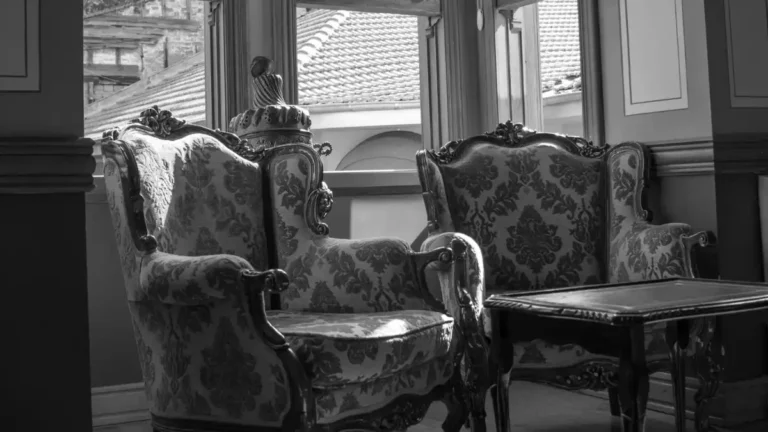
Barrel chair: a rounded back that wraps around. Cozy and good for lounging. Barrel-style chairs are often offered in swivel versions. Club chair: deep seat and sturdy arms. Comfortable and masculine. Wingback chair: high back with side wings. More structured. One guide contrasts barrel and club chairs for lounging with wingbacks that offer more structured comfort. Slipper chair: low, armless and compact. Good for tight spaces. Swivel chair: rotates for conversation and TV viewing. See the swivel chair guide. Lounge chair: reclined, relaxed. Mid-century designs are popular. Armless chair: light and flexible. Cane or rattan chair: textured and airy. See the rattan dresser guide for rattan care. Accent recliner: combines style and recline. See the reclining chair and leather recliner guides. Chair and a half or oversized chair: for extra comfort. See the oversized chair guide. Egg, bucket or sculptural chairs: statement pieces.
| Style | Best for |
|---|---|
| Barrel | Cozy lounging |
| Club | Deep seats |
| Wingback | Structured comfort |
| Slipper | Small spaces |
| Swivel | Conversation and TV |
| Cane | Light, airy look |
Pairing With Your Sofa
The main advice is to use the chair to balance the sofa. One retailer suggests using accent chairs to balance sofas or larger furniture pieces. Beyond that, match the chair’s scale and silhouette to the sofa, not exactly.
From general knowledge, a few tips: Contrast without clashing. A curved chair with a straight-lined sofa adds balance. Repeat a color from rugs, pillows or art. Mix textures. A leather chair with a fabric sofa, or a velvet chair with a linen sofa. Match the leg finish with other wood in the room. Check seat height. Chair seat height should be close to the sofa’s, so people sitting are at similar levels. Check arm height. Arms should not collide with side tables.
Sources did not cover arm height relative to the sofa arm or matching fabric weights, so use your eyes and test in person if you can.
Pairs vs Single Chairs
A pair of matching chairs looks balanced and formal. Place them across from the sofa or flanking a fireplace. Two different chairs feel collected and relaxed. Keep a shared color or style. A single chair works in a corner or beside a sofa.
Styling the Chair
Add a throw or pillow for color and texture. See the pillow covers and lumbar pillow guides. Put a side table within reach. See the C table and couch table guides. Add a floor lamp or a reading light. Use a rug under the front legs to define the area. See the washable area rugs guide. Leave space around the chair so it can show off.
Care
Key points: vacuum regularly; spot clean spills right away; follow the care tag; rotate cushions if possible; keep out of direct sun; keep pets’ claws away from textured fabrics.
How to Choose Accent Chairs for the Living Room
Measure the space and tape the footprint. Check scale against the room and sofa. Choose a style: barrel, club, wingback, slipper or swivel. Pick a fabric for your household. Decide on a color and pattern. Sit in it to check comfort. Check the frame and cushions. Plan placement and clearance of 18 to 24 inches. Check delivery access. Read reviews.
What mistakes should you avoid?
A few common mistakes are worth avoiding: choosing a chair that overwhelms the room; skipping clearance; matching the sofa exactly; ignoring comfort; choosing a fabric that does not suit kids or pets; blocking traffic paths.
Frequently Asked Questions
What size accent chair should I buy?
One that fits the room and balances the sofa. Measure and tape the footprint.
How much space should I leave around an accent chair?
One retailer suggests 18 to 24 inches between chairs and tables.
Should an accent chair match the sofa?
No. Complement it with a shared color, texture or style.
Where should I put an accent chair?
Angled toward the sofa, in a corner, by a window or at the end of a sectional.
What fabric is best?
Performance fabric, polyester or leather for easy cleaning, and bolder fabrics for style.
How many accent chairs do I need?
One or two. A pair looks balanced.
Can an accent chair be a swivel chair?
Yes, especially in multipurpose rooms.
Conclusion
The right accent chair makes a living room more comfortable and more interesting. Start with scale, leave 18 to 24 inches of clearance, choose a fabric that fits your life and try different angles.
Sit in the chair if you can, and keep style bold but balanced. A good accent chair finishes the room.
Related guides
 Living Room Chairs Guide: Types, Placement, Balance and How to ChooseChairs finish a living room. A sofa gives you the main seat, but chairs add extra seating, a place to lounge…Read more →
 Living Room Sets Guide: What’s Included, Room Size, Mixing and ChoosingA living room set is a group of furniture that s designed to go together. It takes the guesswork out of…Read more →
 Living Room Furniture: How to Choose, Arrange and Space ItThe living room does a lot. It s where you relax, watch TV, host friends and sometimes work. Furniture that s…Read more →
 Green Accent Chair: Shades, Fabrics and Colors That Go With ItA green accent chair works as a color anchor or as a quiet neutral, depending on the shade. Emerald and deep…Read more →





One Comment