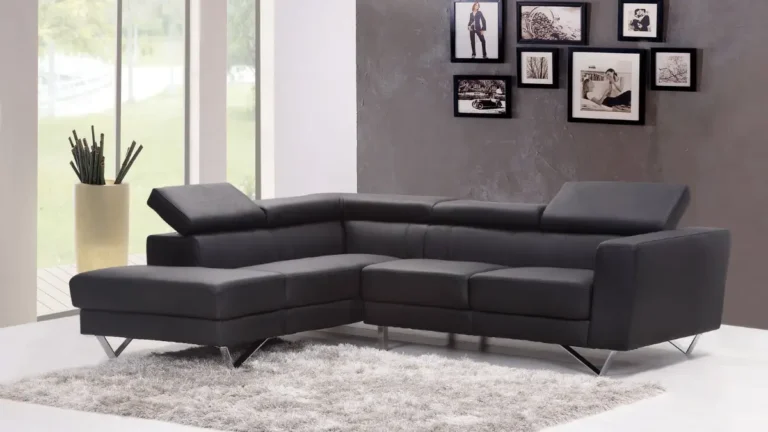
Living Room Chairs Guide: Types, Placement, Balance and How to Choose
Chairs finish a living room. A sofa gives you the main seat, but chairs add extra seating, a place to lounge and a chance to bring in color and texture. The right chair makes a conversation area feel complete. The wrong one is bulky, uncomfortable or always in the way.
This article is part of our sofa and couch buying guide, where you can compare related options.
Living room chairs are any chairs used in a living room, from small accent chairs to big recliners. They differ in size, back height, arm style and base. Some are made for conversation, some for TV and some for reading.
This guide explains the main types of living room chairs, how to arrange them with a sofa, how many to use and what to check before you buy. You’ll also find a comparison table, a checklist and answers to common questions. See the lounge chair and oversized chair guides for more on specific types.

Types of Living Room Chairs
Accent chair: a decorative chair that adds style. Often a single statement piece. Accent recliner: suits a spot beside a sofa or sectional, since it adds comfort and lets you lean back. See the recliner chair guide. Slipper chair: armless and low. They don’t take up much floor space, are comfortable and create the illusion of openness because they have no arms. Swivel chair: lets people turn between the TV and the conversation area. One guide suggests placing them near sectionals. See the swivel chair guide. Club chair: a classic, deep chair. These types of chairs typically have a low backrest, wide armrests and generous padding. Wingback chair: a tall back with side wings for head support and a traditional look. Barrel chair: a rounded back that wraps around you. Oversized or chair and a half: extra wide and deep. See the oversized chair guide. Dining or side chairs: used as extra seating when you have guests. Ottoman or pouf: footrest or extra seat. See the storage ottoman guide.
| Type | Best for | Watch out for |
|---|---|---|
| Accent chair | Style | Comfort varies |
| Slipper chair | Small rooms | Less back support |
| Swivel | TV rooms, conversation | Clearance |
| Club chair | Relaxing | Size |
| Wingback | Reading, formal rooms | Can be bulky |
How to Arrange Chairs With a Sofa
Chairs should help people talk to each other.
Angle a chair toward the sofa. Angling an accent chair toward your sofa completes a conversation area. Create balance. One common approach is matching chairs on opposite sides of the sofa or a coffee table. Placing identical accent chairs on either side of a sofa, coffee table or sideboard creates balance. One chair or two. In a small room, one chair can work alone, in a reading corner or an asymmetrical layout. Two chairs can create stronger balance across from a sofa when the room has the width to support them. Face the focal point. Make sure chairs can see the TV or fireplace without turning their necks. Keep paths clear. Leave about 30 inches for walkways. Add side tables. Keep 18 to 24 inches between a chair and a side table for easy reach and to maintain clear pathways.
I did not find a clear recommended gap between an armchair and the sofa. Measure your own pathways and sitting clearance, and tape the layout on the floor.
Common Layouts
Sofa with two chairs across: symmetrical and formal. Sofa with two chairs on the sides: a U-shape around the coffee table. Sectional with a swivel chair: flexible seating for TV and talking. Two sofas facing, chairs at the ends: large rooms. One chair in a corner: a reading nook. Chairs by a window: pair of chairs with a small table. Floating chairs: chairs placed away from walls to define a seating area, in bigger rooms.
Sizes and Proportions
Match the size of the chair to your room and your sofa. A huge chair next to a small sofa looks off. Keep similar heights. Leave breathing room around each piece.
Check the dimensions: width and depth of the chair; seat height and depth; arm height; back height.
Seat height of 16 to 18 inches suits most adults. See the lounge chair guide for ranges.
Materials and Comfort
Comfort matters most for chairs you use daily. Test the chair if you can. Check: seat cushion firmness; back support; armrest height; seat depth for your legs; fabric. Durable fabrics suit busy homes. Leather wipes clean. Velvet is soft but shows wear; frame. Hardwood frames last longer.
Pick a fabric that complements your sofa. It can match, coordinate or contrast.
Mixing Chairs With a Sofa
Chairs don’t need to match the sofa. Some tips: use a common color or tone; mix patterns carefully. A solid sofa with a patterned chair works well; match wood tones in legs; repeat a color in pillows or a rug; keep the scale similar.
For small rooms, light colors and raised legs make the space feel open.
How to Choose Living Room Chairs
Decide the role. Extra seating, reading or style? Measure the room and the layout. Pick the type. Check the size and proportions. Check comfort. Sit in it. Choose the fabric. Check the frame. Plan the arrangement. One chair or a pair? Leave clear paths. Read reviews.
What mistakes should you avoid?
A few common mistakes are worth avoiding: choosing chairs that are too big (they crowd the room); ignoring comfort (style over seating is a mistake); blocking paths (people trip); forgetting a side table (you need a spot for a drink); pushing chairs against the wall (they feel disconnected from the group); not testing the chair (fit varies).
Frequently Asked Questions
What type of chair is best for a living room?
It depends on your needs. Accent chairs add style, swivel chairs add flexibility, club chairs add comfort and slipper chairs save space.
How many chairs should I have in a living room?
One chair suits a small room. Two chairs create balance across from a sofa when the room is wide enough.
How far should a chair be from a side table?
Keep about 18 to 24 inches for easy reach and clear pathways, according to one guide.
Should living room chairs match the sofa?
No. They should coordinate in color, tone or style.
What chair works in a small living room?
Slipper chairs and slim accent chairs with raised legs help the room feel open.
How do I arrange chairs around a sofa?
Angle them toward the sofa and coffee table to form a conversation area.
Conclusion
Living room chairs add comfort, style and flexibility. Choose types that fit your room, such as slipper chairs for tight spaces or swivel chairs for TV and conversation. Arrange them to face each other and the focal point.
Measure your layout, leave clear paths and test the comfort. With the right chairs, your living room becomes a better place to relax and talk.
Related guides
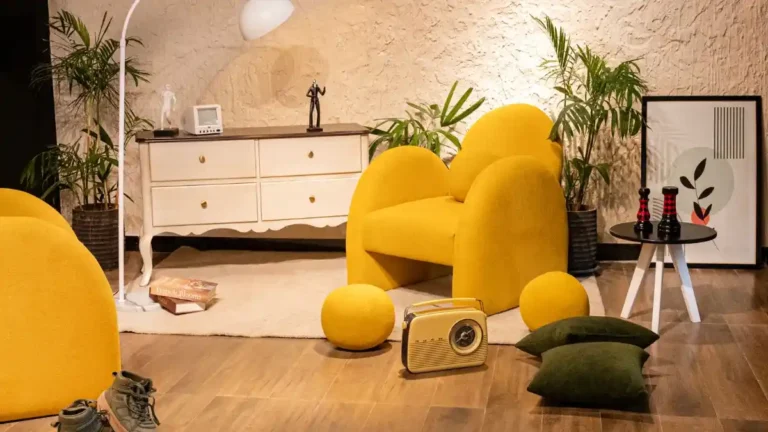 Accent Chairs for Living Room: Size, Scale, Placement, Fabric and Styles That WorkAn accent chair is the chair that makes a living room feel finished. Without one, a room can look like a sofa…Read more →
 Living Room Sets Guide: What’s Included, Room Size, Mixing and ChoosingA living room set is a group of furniture that s designed to go together. It takes the guesswork out of…Read more →
 Living Room Furniture: How to Choose, Arrange and Space ItThe living room does a lot. It s where you relax, watch TV, host friends and sometimes work. Furniture that s…Read more →
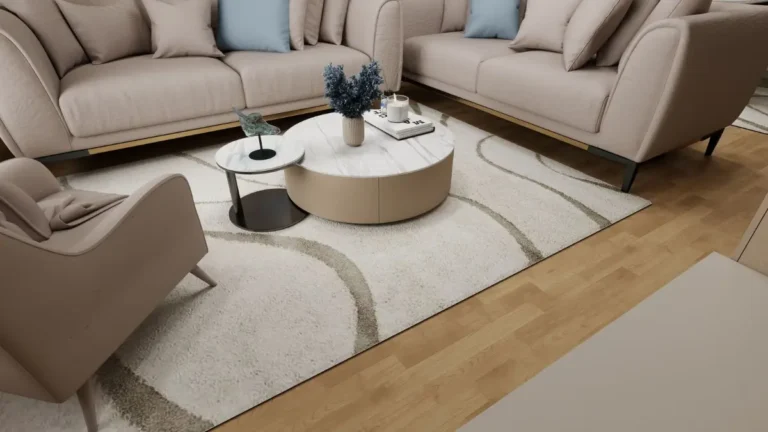 End Tables for Living Room: Height, Size, Placement and How to ChooseAn end table sits next to a sofa or chair and holds a lamp, a drink, a remote or a book. It s a small piece, butRead more →