Bathroom Remodel Ideas: Planning Steps, Budget, Permits and Timeline
A bathroom remodel can change how your whole home feels. It can also drain your budget fast if you start without a plan. The good news is that a clear scope, a realistic budget and the right order of work keep things under control.
This article is part of our bathroom remodel guide, where you can compare related options.
A bathroom remodel is any project that updates the look, layout or function of a bathroom. It can be a light refresh with paint and fixtures, a mid-range update with a new vanity and tile or a full gut remodel that moves plumbing and walls.
This guide covers remodel ideas by scope, how to plan and budget, what drives cost, what to ask about permits, what a timeline looks like and how to avoid common mistakes. Cost numbers vary a lot by source and location, so use them only as rough guides. You’ll also find a comparison table, a planning checklist and answers to common questions.
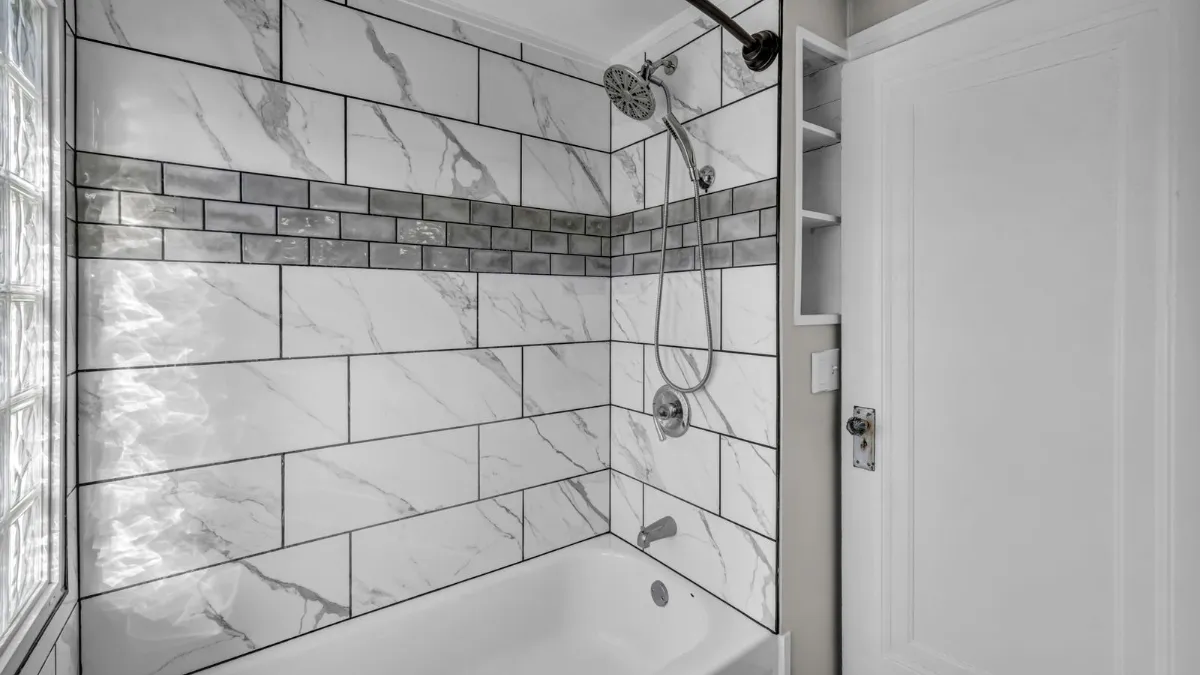
Remodel Ideas by Scope
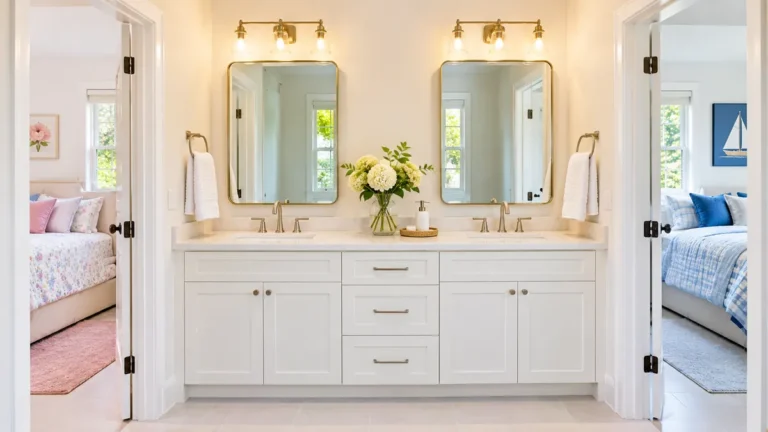
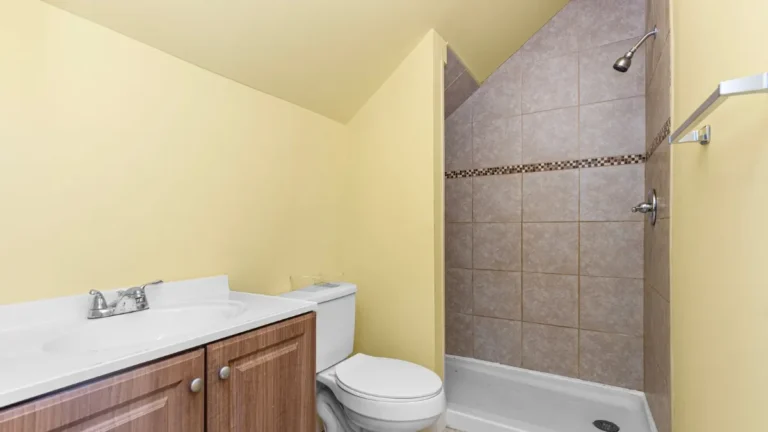
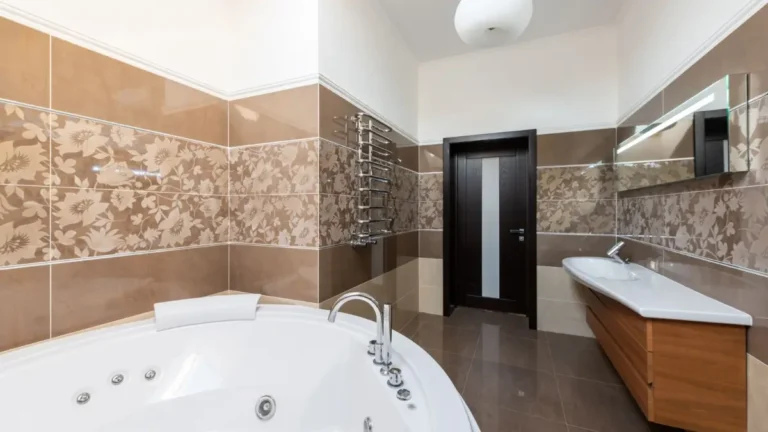
Light refresh (cosmetic): paint, new towels, a new shower curtain, new light fixtures, new hardware and a new faucet. Add a new mirror and some decor. See the bathroom decor ideas guide. Mid-range update: replace the vanity and countertop, swap the toilet, install new flooring, re-tile the shower walls, update lighting and add storage. Major remodel: change the layout, move plumbing, replace the tub with a walk-in shower, add a double vanity, install a heated floor or add a separate water closet. Accessibility upgrade: add a curbless shower, grab bars, a comfort-height toilet and wider doors. See the walk-in shower guide.
| Scope | Typical work | Disruption |
|---|---|---|
| Light refresh | Paint, fixtures, decor | Low |
| Mid-range | Vanity, tile, flooring | Medium |
| Major | Layout change, plumbing moves | High |
| Accessibility | Curbless shower, grab bars | Medium to high |
Popular Remodel Ideas
Replace the tub with a walk-in shower. Frees space and improves access. Install a floating vanity. Makes a small bathroom feel bigger. Add a double vanity. Helps shared bathrooms. Use large-format tile. Fewer grout lines and a cleaner look. Add a niche in the shower. Built-in storage for bottles. Install a frameless glass enclosure. Opens the room up. Upgrade lighting. Layered lighting around the mirror and overhead. Add heated floors or a towel warmer. A comfort upgrade. See the towel warmer guide. Update the toilet. Compact or comfort-height models. See the toilet seat guide for seat options. Improve ventilation. A quieter, stronger exhaust fan. Add storage. Wall cabinets, a linen tower or recessed shelves. See the bathroom cabinets guide. Change the mirror. A large or lighted mirror. See the bathroom mirrors guide.
Step 1: Define the Purpose and Scope
One guide suggests assessing the purpose of your bathroom remodel first, then deciding whether you want cosmetic updates or structural changes. Ask yourself: who uses this bathroom?; what doesn’t work now?; do you need more storage, space or light?; are you selling soon, or staying for years?; do you need accessibility features?.
Write a list of must-haves and nice-to-haves.
Step 2: Set a Budget
Create a general outline of what you want and the budget you have. Being realistic about materials and money before you contact a contractor puts you on the road to success.
Cost figures in my sources varied widely: Wayfair puts average bathroom renovations at between $6,000 and $20,000, and notes that a light refresh can cost far less. Per-square-foot figures vary the most. One guide cites about $125 to $450, depending on scope and quality choices. Another expects roughly $100 to $200 per square foot for mid-range work. A third gives about $150 to $300 per square foot for a mid-range remodel.
Several of these cost figures came from sites that looked like auto-generated content, and the numbers conflict. Get at least three local bids. Add 10 to 20 percent for surprises, a common rule of thumb among contractors, though my sources did not state it.
What Drives the Cost?
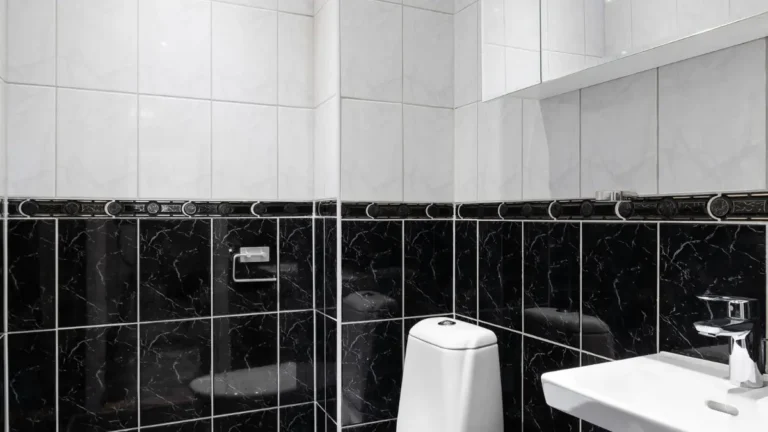
Finishes: one source notes that marble tiles can cost 20 times as much as standard subway tiles. Layout changes: moving plumbing or electrical work can quickly hike up the project cost. Labor: one guide says labor is typically the largest portion of a bathroom remodel. Size: bigger bathrooms cost more. Fixtures: premium vanities, tubs and faucets add up. Hidden problems: rot, mold or old wiring found after demolition. Permits and fees: see below.
Step 3: Check Permits
Check with your local building authority to determine what permits you need before starting. Electrical, plumbing and structural work are the most commonly flagged. One Fairfax, Virginia guide says the county requires permits for structural, electrical and plumbing work, and skipping them can cause delays or fines.
Costs vary by location. One source says permits can range from $0 to $4,000, while another suggests budgeting $100 to $5,000, region-dependent. Ask your contractor whether they pull permits.
Step 4: Plan the Design
Consider professional design help. One guide says professional design guidance prevents expensive mistakes, while permits ensure code compliance.
Key points: measure the room and draw a plan; choose the layout. Keeping fixtures in place saves money; pick finishes and fixtures; choose moisture-resistant materials; plan storage and lighting; plan ventilation; consider accessibility and future needs.
Order materials early. One source recommends you have your materials ordered and waiting, and don’t make any change orders once construction begins.
Step 5: Hire the Right People
Key points: get multiple written bids; check licenses, insurance and references; ask for a detailed scope, schedule and payment plan; avoid paying too much upfront; get everything in writing, including change orders.
Plumbing and electrical work should be done by licensed professionals.
Typical Order of Work
- Demolition
- Rough plumbing and electrical
- Framing changes
- Inspections (if required)
- Waterproofing and backer board
- Tile
- Cabinets and countertops
- Painting
- Fixtures, mirror and lighting
- Final inspection and cleanup
Timeline
Scope is the main factor. One guide says most projects take 1 to 3 weeks for straightforward renovations, longer for complex updates. Add time for ordering materials, permit approval and any surprises. During the work, you may be without a bathroom. Plan for an alternative.
Money-Saving Tips
Key points: keep the layout the same; reuse the tub with a refinish or new surround; choose mid-range tile and fixtures; do some work yourself, such as painting and demolition, if you’re capable; buy materials during sales; avoid change orders; spend on waterproofing and ventilation, which protect your investment.
What mistakes should you avoid?
A few common mistakes are worth avoiding: skipping the budget buffer (surprises are common); ignoring permits (it can cause fines and delays); poor waterproofing (leaks cause costly damage); choosing style over function (think about daily use); forgetting ventilation (moisture damages your new bathroom); hiring on price alone (quality matters); changing plans mid-project (it increases cost and delays).
Frequently Asked Questions
How much does a bathroom remodel cost?
Wayfair gives an average of $6,000 to $20,000, with a light refresh costing far less. Per-square-foot estimates vary widely, so get local bids.
How long does a bathroom remodel take?
Many straightforward projects take 1 to 3 weeks, and complex updates take longer, according to one guide.
Do I need a permit for a bathroom remodel?
Often yes, especially for electrical, plumbing or structural work. Check with your local building authority.
What should I do first in a bathroom remodel?
Define your purpose and scope, set a budget and check permits before hiring.
What adds the most value?
It depends on your market. Good ventilation, quality waterproofing and a functional layout are safe investments. Ask a local agent.
Can I remodel a bathroom myself?
You can do some work, like painting, but plumbing and electrical work usually need licensed pros.
Conclusion
A good bathroom remodel starts with a clear purpose, a realistic budget and the right permits. Choose a scope that fits your needs, from a light refresh to a full renovation, and keep the layout the same if you want to save money.
Order materials early, avoid change orders and invest in waterproofing and ventilation. With careful planning, your remodel can be smooth and worth the effort.
Related guides
 Green Bathroom Ideas: Sage vs Emerald, Paint Finish, Tile and PairingsSage and emerald are the two most popular greens for bathrooms. Sage feels timeless and restful, and emerald…Read more →
 Modern Bathroom Ideas: Colors, Materials, Fixtures, Lighting and StorageA modern bathroom is clean, calm and uncluttered. It uses simple lines, a limited color palette and a few…Read more →
 Bathroom Decor Ideas: Towels, Rugs, Plants, Art and Storage That Handle HumidityBathroom decor is different from decor in any other room. The air is damp, the space is small and everything…Read more →
 Bathroom Storage Ideas: Over-Toilet Units, Wall Cabinets, Towers, Sizes and AnchoringQuick answer: the easiest way to add bathroom storage is to use vertical space. Over-the-toilet shelves are…Read more →