
Best Cat Water Fountain Guide: Stainless Steel vs Ceramic vs Plastic, Filters, Noise and Capacity
Quick answer: the best cat water fountain is usually stainless steel or ceramic, because these materials resist scratches and are easier to keep clean than plastic. Check which parts touch the water, look for quiet pumps (about 20 to 30 decibels in listings), pick a capacity of about 2 to 3.2 liters and clean it weekly.
This article is part of our cat furniture guide, where you can compare related options.
A cat water fountain keeps a stream of filtered, moving water available. Many owners like them because cats often seem to prefer fresh running water, and they look neat. But fountains need regular cleaning, and a dirty fountain is worse than a clean bowl. This guide explains the materials, what to check about pumps, filters, noise and capacity, how to clean and maintain a fountain, and how to choose. I did not find a reliable veterinary source that proves fountains increase water intake, so I do not make that claim. Ask your vet about your cat’s water needs, especially if your cat has kidney or urinary problems.
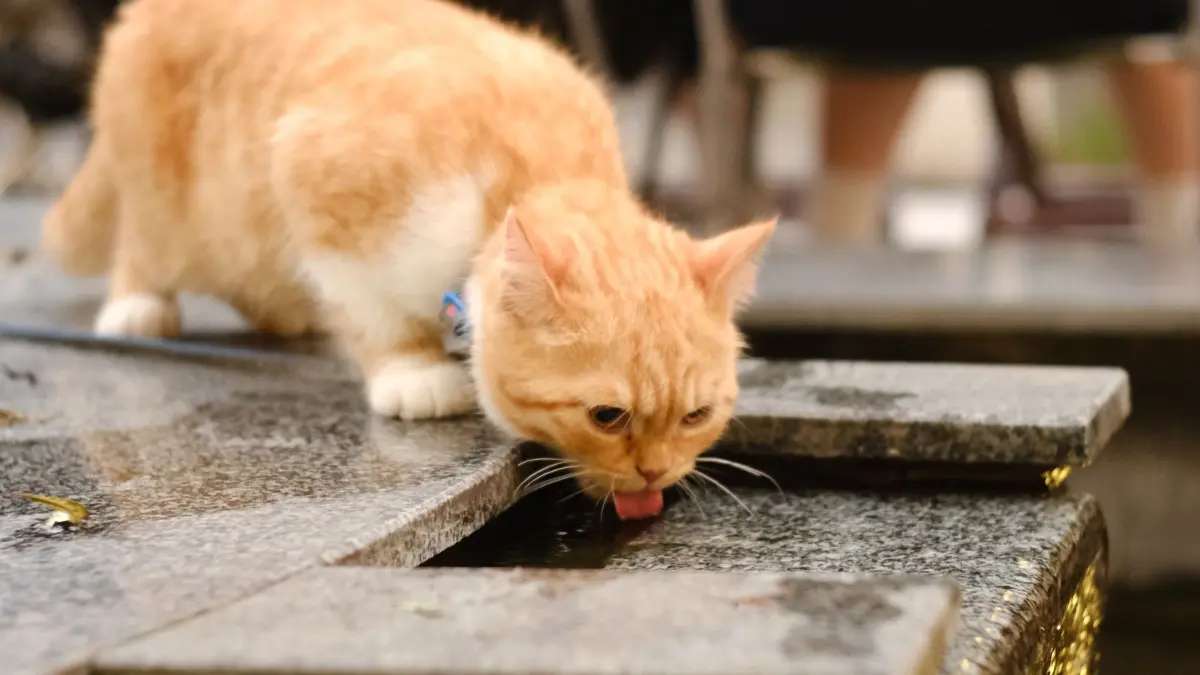
Fountain Materials
Stainless Steel
Sources often call stainless steel the best option.
It does not chip or break. It does not leach chemicals into your cat’s water, one source says. It is dishwasher safe in many cases. Check the directions. One caveat: some pets dislike the metallic taste stainless steel can give to a fountain.
Ceramic
Heavy and stable, so it does not tip. Easy to clean and hold a smooth glaze. Can chip or crack if dropped. Many “ceramic” fountains still have a plastic pump housing. One review notes a mostly ceramic fountain except for the casing that holds the pump, which is plastic and will scratch. Check which parts touch the water.
Plastic
Lightweight and cheap. Sources call plastic less hygienic, more likely to have hard-to-clean shapes and less hardy over time. Scratches can hold bacteria, so plastic is the hardest to keep clean.
Choose BPA-free plastic if you choose plastic, and replace it when scratched.
| Material | Cleaning | Durability | Notes |
|---|---|---|---|
| Stainless steel | Easy | Very durable | Some cats dislike the taste |
| Ceramic | Easy | Can chip | Check the pump housing |
| Plastic | Hardest | Wears out | Scratches harbor bacteria |
Filters
Fountain filters typically use carbon and foam layers. They remove hair, debris and some odors from the water. A review claims one stainless fountain keeps effective filtration for 4 to 6 weeks versus 1 to 2 weeks in budget plastic fountains, based on observations with twenty cats. That sample is small and the source is a review site, so treat it with caution. Follow the maker’s replacement schedule, and replace the filter when the water looks cloudy or smells.
Some fountains avoid disposable plastic filters. A reviewer headline mentions “stop buying plastic filters.” Check how often filters need replacing and what they cost over a year.
Noise
Pump noise is usually listed in decibels. Reviews cite a 20 dB pump for one model and a 25 dB pump for another. One ceramic model is described as slightly louder, at 40 dB, than sub-30 dB competitors. A quiet pump matters if the fountain sits in a bedroom or open-plan room. Noise can also increase when the water level is low or the pump has debris. Decibel numbers are listing claims, not independent tests.
Capacity
Sizes range from about 2 liters to 3.2 liters (roughly 74 to 108 ounces). Smaller units may require frequent refills for multi-cat homes. Check the minimum water level the pump needs. A larger fountain stays fuller for longer when you travel for a weekend, but check cleaning needs and do not leave a cat alone long-term with only a fountain.
Features to Consider
Key points: free-falling stream vs bubbling spout. Some cats prefer one; wide, shallow basin. Some cats dislike whiskers touching the sides; water level window; auto shut-off if water runs low; cord length and cord protection. Cats chew cords. Use cord covers; easy-to-take-apart design; dishwasher-safe parts; low-power or battery models; night light. Optional.
How to Clean a Cat Water Fountain
Cleaning is the most important step.
- Unplug the fountain.
- Take it apart. Remove the pump, filter and any covers.
- Wash parts with warm soapy water or in the dishwasher if allowed.
- Scrub the pump and the small channels with a small brush.
- Rinse well.
- Replace the filter per the schedule.
- Reassemble and refill with fresh water.
A common habit is to clean weekly and top off the water daily. Some people clean more often in warm weather or with multiple cats. Biofilm, the slimy buildup, can appear on any surface if you skip cleaning.
Placement
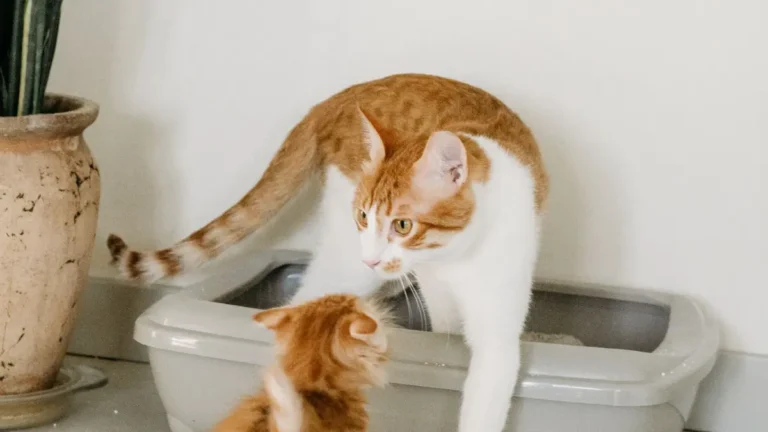
Key points: place the fountain away from the litter box and food; choose a quiet spot your cat visits; put it on a non-slip surface or mat; keep the cord out of reach; keep it near an outlet; avoid direct sun, which can encourage algae; give a senior cat easy access without jumping. See the cat window perch guide for placement ideas.
Introducing a Fountain to Your Cat
Leave the old bowl next to the fountain for a few days. Let the cat sniff and explore. Keep the fountain running quietly. Do not remove the bowl until the cat uses the fountain. If your cat avoids it, try a different model, a different spot or a plain bowl.
Monitor how much your cat drinks. If your cat drinks much more or less than usual, call your vet.
Safety Notes
Key points: use the adapter that comes with the fountain; keep cords out of chewing range; keep the fountain full so the pump does not run dry; unplug before cleaning; do not use harsh chemicals. Rinse well; check parts for cracks.
What are the main strengths and weaknesses?
On the plus side: fresh, filtered, moving water; looks neat; large capacity reduces refills; stainless and ceramic are durable. On the downside: needs regular cleaning; pump noise; filters add ongoing cost; some cats ignore them.
How to Choose the Best Cat Water Fountain
Choose stainless steel or ceramic. Check which parts touch the water. Choose a capacity for your cats (2 to 3.2 liters is common). Check noise in decibels. Check filter type and cost. Check ease of cleaning. Check the cord and safety features. Pick a spot and a stable surface. Read reviews from multi-cat owners. Check the warranty.
What mistakes should you avoid?
A few common mistakes are worth avoiding: skipping weekly cleaning; buying plastic and not replacing scratched parts; assuming a ceramic fountain has no plastic parts; letting the water run low; placing it next to the litter box; trusting noise numbers without reviews.
Frequently Asked Questions
What material is best for a cat water fountain?
Sources favor stainless steel or ceramic. Plastic is harder to keep clean.
How often should I clean it?
Many owners clean weekly and top off daily. Follow the maker’s advice.
How loud are cat fountains?
Listings cite about 20 to 25 decibels for quiet models and 40 for a louder ceramic one.
How big should a cat fountain be?
Common sizes are 2 to 3.2 liters. Larger is better for multi-cat homes.
How long do filters last?
It varies. One review claims 4 to 6 weeks for a stainless model, but that is a small sample. Follow the maker’s guide.
Do fountains make cats drink more?
Some owners say so, but I did not find a reliable source in this search. Ask your vet if you worry about your cat’s drinking.
Conclusion
The best cat water fountain is easy to clean, quiet and made of stainless steel or ceramic with a clear idea of which parts touch the water. Pick a capacity that fits your cats, replace filters on schedule and clean weekly.
Introduce it slowly and watch your cat’s habits. Talk to your vet about any change in drinking.
Related guides
 Water Fountain for Cats: Stainless Steel vs Ceramic, Noise and CleaningA cat water fountain keeps water moving and filtered, which some cats like better than a still bowl. Stainless…Read more →
 Heated Cat House Guide: Outdoor Shelters, Heated Pads, Thermostats, Wattage and Cord SafetyQuick answer: a heated cat house is an insulated shelter with a heating pad or heater for outdoor or feral cats…Read more →
 Cat Window Perch Guide: Suction vs Mounted, Weight Limits, Installation and SafetyQuick answer: a cat window perch is a small shelf or hammock that holds your cat at a window. Suction cup…Read more →

3 Comments