Cat Tree Buying Guide: Height, Stability, Sisal Posts and Perch Size
A cat tree gives your cat a place to climb, scratch, perch and nap. It can also save your sofa from scratches and give an indoor cat a way to burn energy. But a wobbly or badly sized tree gets ignored, or worse, tips over. A good cat tree matches your cat’s size, habits and your home.
This article is part of our cat furniture guide, where you can compare related options.
A cat tree, also called a cat tower or cat condo, is a piece of furniture with platforms, posts, perches and sometimes hideaways. Posts are often wrapped in sisal rope for scratching. Trees range from small two-level units to tall floor-to-ceiling towers.
This guide explains how to choose the right height, why stability matters, what to look for in posts and sisal, how to size perches for large cats and where to place a tree. Several of the numbers come from a retailer that sells cat trees, so treat them as vendor guidance. This is not veterinary advice. You’ll also find a checklist and answers to common questions.
Height and Space
One guide puts the threshold at over 150 cm (about 59 inches) for climbing room, but says the dimensions of perches, condos and hammocks matter more than total height, since a big cat needs room to stretch and turn. Another says stability matters more than sheer height.
Think about your cat: Kittens and small cats. A shorter tree with low steps is easier. Active adult cats. Taller trees with several levels give more fun. Senior cats. Choose low platforms and ramps. Several cats. Choose a larger tree with multiple perches or two trees.
Measure the space where the tree will go. Large trees can dominate a space, so plan the floor area and ceiling height.
Stability Comes First
The base and posts matter most. A tree that wobbles will scare your cat and may fall.
Heavy, wide base. A general buying guide recommends a heavy base and thick posts. Thick posts. One guide gives 9 cm (about 3.5 inches) as a minimum post diameter for large cats and 11 cm (about 4.3 inches) or more for trees designed for them, noting thinner posts oscillate under load. These are vendor-sourced figures, not independent test standards. Sisal-wrapped posts. Thick sisal-wrapped posts add stability. Anti-tip kit. A wall-mount anti-tip kit is recommended for large or very active cats. Solid joints. Check the bolts and connectors. Test it. Push the tree. It shouldn’t rock.
Place the tree on a flat floor. Check the bolts every few months.
Scratching Posts and Sisal
Cats scratch to stretch and mark territory. A good tree gives them an approved place to do it.
Sisal rope or fabric is the usual covering. Good sisal lasts several years, with lifespan depending on scratching intensity and how many cats use the tree. Posts placed only at the base ignore cats who scratch at height, so spreading sisal across several levels helps. Posts should be tall and sturdy enough for your cat to stretch fully. Replaceable sisal covers extend the life of the tree.
If your cat prefers carpet or cardboard, choose a tree with those materials. Observe your cat’s habits.
Perches and Platforms
Perch size matters, especially for large cats. A general buying guide recommends wide perches of roughly 14 to 18 inches. A perch that’s too small makes the cat feel unsafe and leads to the tree being ignored.
Check: Perch width and depth. Your cat should be able to lie down and turn around. Raised edges. Bolster edges keep sleepy cats from sliding off. Padding. Soft, washable covers are nice. Distance between levels. Cats need steps they can jump comfortably, especially seniors and kittens. Hammocks. Make sure they’re sturdy. Condos and hideaways. Check the entrance size and interior space.
Weight Limits
The only explicit figure I found is a product spec: a Feandrea XL tree listed for cats up to 20 kg (about 44 pounds). I found no general standard for how much weight a tree should hold, so check manufacturer ratings and be skeptical of marketing claims. Add up the weight of multiple cats if several may use a perch.
Where to Put a Cat Tree
My search gave little on placement, but a few general ideas help.
Near a window. Cats love to watch birds and the street. In a family area. Cats like to be near people. Away from loud noise and busy doorways. Near their favorite scratching spot. This can help redirect scratching from the sofa. On a stable floor. Avoid slippery floors, or add a rug under the base. Away from fragile items. Cats can knock things over.
Move the tree gradually if your cat doesn’t use it. Add catnip or treats to encourage use.
Materials and Safety
Frame. Solid wood, high-quality plywood or sturdy composites. Covers. Carpet, plush, fleece or faux fur. Check that the glue and fabric are pet safe and don’t have a strong smell. Fasteners. Use tight bolts and covered screws. Sharp edges. Check for splinters or exposed staples. Washability. Removable covers are easier to clean.
Keep the tree away from cords, hot appliances and toxic plants. Supervise kittens. Check with your vet about your cat’s needs and any health issues.
How to Choose a Cat Tree
Think about your cat’s size, age and habits. Measure the space. Check the base and post thickness. Check the stability. Look for anti-tip options. Check the sisal and scratching surfaces. Check the perch size. Roughly 14 to 18 inches for large cats. Check the weight rating. Choose the materials. Pick a location. Read reviews for notes on wobble and durability.
What mistakes should you avoid?
A few common mistakes are worth avoiding: choosing a tall tree with a small base (it will tip); buying thin posts for a big cat (they sway); ignoring perch size (cats won’t use a cramped perch); putting the tree in a quiet corner (cats prefer to be near activity); skipping the anti-tip kit (safety first); not checking the weight rating (multi-cat homes need strong trees).
Frequently Asked Questions
How tall should a cat tree be?
It depends on your cat and space. One guide suggests over 150 cm for climbing room, but says perch size matters more than height.
How do I stop a cat tree from wobbling?
Choose a heavy base and thick posts, tighten the bolts, place it on a flat floor and use an anti-tip kit.
What size perch does a large cat need?
A general guide suggests wide perches of roughly 14 to 18 inches.
How long does sisal last?
Good sisal lasts several years, depending on scratching intensity and the number of cats.
How much weight can a cat tree hold?
It varies. One product is listed for cats up to 20 kg. Check the maker’s rating.
Where should I put a cat tree?
Near a window or in a family area, on a flat, stable floor.
Conclusion
A good cat tree is stable, sized for your cat and placed where your cat wants to be. Look for a heavy base, thick posts, plenty of sisal and perches wide enough for your cat to lie down.
Check weight ratings, tighten the hardware and consider an anti-tip kit for large or active cats. A well-chosen tree gives your cat a place to play, scratch and rest.
Related guides
 Water Fountain for Cats: Stainless Steel vs Ceramic, Noise and CleaningA cat water fountain keeps water moving and filtered, which some cats like better than a still bowl. Stainless…Read more →
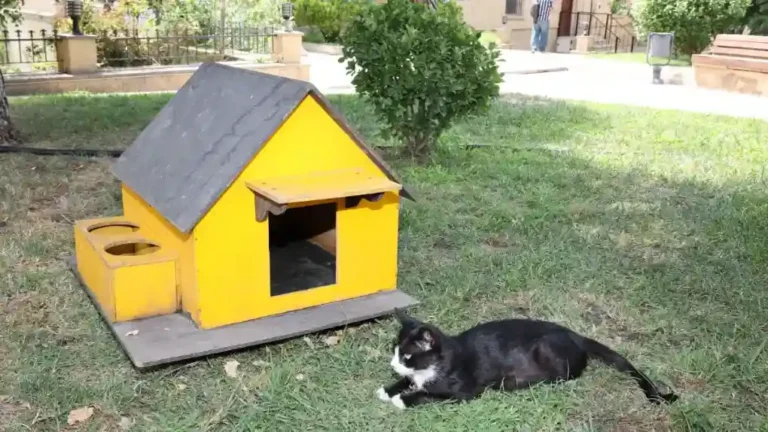 Heated Cat House Guide: Outdoor Shelters, Heated Pads, Thermostats, Wattage and Cord SafetyQuick answer: a heated cat house is an insulated shelter with a heating pad or heater for outdoor or feral cats…Read more →
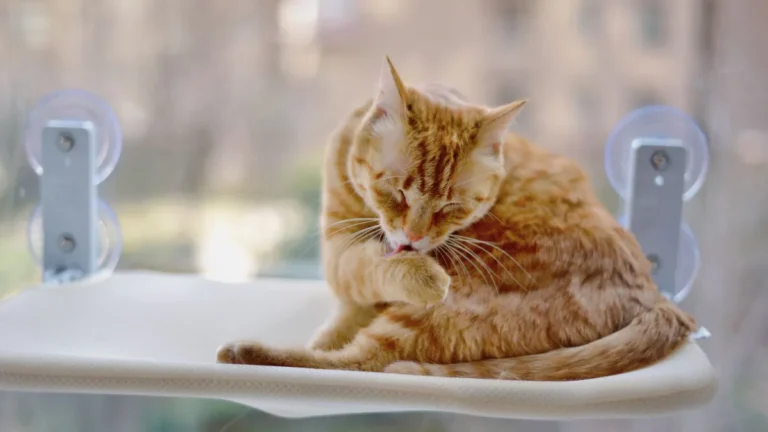 Cat Window Perch Guide: Suction vs Mounted, Weight Limits, Installation and SafetyQuick answer: a cat window perch is a small shelf or hammock that holds your cat at a window. Suction cup…Read more →