
Water Fountain for Cats: Stainless Steel vs Ceramic, Noise and Cleaning
A cat water fountain keeps water moving and filtered, which some cats like better than a still bowl. Stainless steel is generally seen as durable and easy to sanitize, ceramic looks warmer but is heavy and fragile and plastic is the budget choice. Noise depends more on the pump and design than on the material. A pump that lifts out without tools makes cleaning much easier.
This article is part of our cat furniture guide, where you can compare related options.
Many cat owners buy a fountain hoping their cat will drink more. Whether that works varies from cat to cat, and the search found no veterinary data on hydration, so I won’t make health claims.
This guide explains those points, plus size, filters and placement. This isn’t veterinary advice. Ask a vet if your cat’s drinking changes or you worry about kidney health.
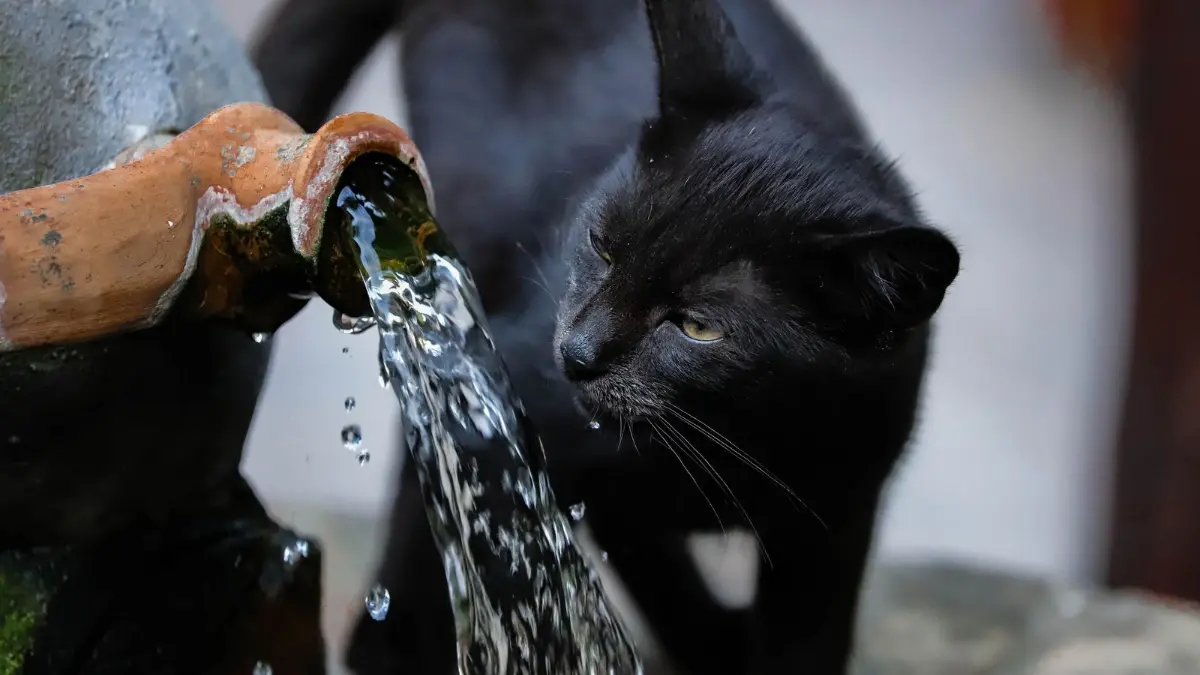
How does a cat water fountain work?
A small pump pushes water through a spout or stream and back into a basin. A filter catches hair and some particles. Most plug into the wall, and some run on USB or batteries, so check the listing. Because the pump must stay covered by water, you have to refill the basin before it runs low.
Which material is best: stainless steel, ceramic or plastic?
Stainless steel is the safest all-round pick, ceramic is the best-looking and plastic is the cheapest. One comparison says stainless steel has an edge in durability over ceramic, and another notes that it resists bacteria growth, though it has a larger footprint. Ceramic suits home decor better, and one guide says stainless steel doesn’t match the visual warmth of ceramic or glass. Ceramic can also cost less, especially for small fountains. Its downside, according to one review, is that it’s heavy and fragile if you drop it while cleaning.
Plastic is light and cheap, and scratches may hold residue over time, so check the maker’s details. Petlibro publishes a ceramic versus stainless steel comparison, but it’s a brand page, so it leans toward selling.
What makes a cat fountain noisy?
The pump and design matter more than the material. One source says the water flow rate, motor strength and overall design primarily determine noise. If you or your cat are sensitive to sound, read reviews that mention noise. Keep the water level above the pump, because a low level often makes a fountain louder.
How do I clean a cat water fountain?
Take it apart and wash the parts with mild soap and warm water. One guide suggests wiping the components with a soft cloth and a mild soap solution to remove dirt, debris and bacteria. Hepper publishes a how-to on cleaning a cat fountain. Rinse everything well so no soap remains.
For stainless steel, one source recommends lemon juice and a plastic mesh scrubber, and it says to avoid abrasive pads that can scratch the surface. Some models are dishwasher-safe, but one claim about a model handling repeated cycles at 140 degrees Fahrenheit is a product claim, so check the label. The hardest parts to clean are usually the pump housing and filter chamber. One review notes that a tight pump fit makes scrubbing fiddly, so look for a pump that lifts out without tools. Replace filters on the maker’s schedule.
What size and features should I look for?
Match capacity to your household. Small fountains hold less water and need more frequent refills, and large ones take more room. For several cats, think about a bigger model or two fountains. Useful features include a quiet motor, an easy-to-remove pump, replaceable filters, a low-water alert and a cord that’s safe from chewing.
A wide, shallow basin suits cats that dislike their whiskers touching the sides. A nonslip base keeps the fountain steady.
Where should I put a cat fountain?
Put it on a flat, stable surface, away from direct sun and out of reach of dangling cords. Some cats prefer water away from their food and litter box. A mat underneath catches drips, and our bathroom mats guide covers mat materials. Unplug the fountain before cleaning, and keep electrical parts dry.
How often should I clean and change the filter?
Follow the maker’s schedule, and clean the parts regularly. Many owners wash the basin and pump on a weekly routine, though that’s a common habit, not a rule from the sources. Hepper’s cleaning guide walks through taking apart the fountain, scrubbing the pump chamber and rinsing. Filters wear out, so replace them as the instructions say.
If the water looks cloudy or smells, clean sooner. Hair, food bits and slime build up quickly in a warm room. A fountain you keep clean is more likely to be used by your cat.
What should I watch for with my cat’s drinking?
Watch for changes. If your cat suddenly drinks much more or much less than usual, call a vet. The search found no veterinary data showing that a fountain improves hydration, so don’t treat it as a medical fix. A fountain is just one way to offer fresh water.
Offer water in more than one place, and keep bowls clean. Some cats dislike the sound of a pump, and some ignore a fountain altogether. If your cat avoids it, try a different location, a quieter model or a plain bowl. Pay attention to how your cat behaves, and ask a vet if you’re worried.
Is a fountain worth the cost and effort?
It depends on your cat and your routine. A fountain costs more than a bowl and needs regular cleaning, filters and an outlet. If your cat likes running water and you’re willing to maintain it, it can be a good fit. If your cat ignores it, a clean bowl works just as well. Try one model at a modest price before you invest in a premium ceramic unit, and keep the receipt in case your cat refuses it.
Frequently Asked Questions
Is stainless steel or ceramic better for a cat fountain?
Stainless steel is durable and easy to sanitize. Ceramic looks nicer but is heavy and breakable.
Are cat fountains noisy?
Noise depends on the pump and design more than the material.
How do I clean one?
Take it apart, wash the parts with mild soap and rinse well.
Can I put it in the dishwasher?
Only if the maker says it’s safe.
Do cats drink more with a fountain?
It varies. The search found no veterinary data, so ask a vet.
Conclusion
A cat water fountain works best when you keep it clean and pick a design with an easy-to-remove pump. Choose stainless steel for durability, ceramic for looks or plastic for a low price.
Because I found no veterinary data, ask your vet about your cat’s hydration needs. A clean, quiet fountain is easy to live with.
Related guides
 Best Cat Water Fountain Guide: Stainless Steel vs Ceramic vs Plastic, Filters, Noise and CapacityQuick answer: the best cat water fountain is usually stainless steel or ceramic, because these materials resist…Read more →
 Heated Cat House Guide: Outdoor Shelters, Heated Pads, Thermostats, Wattage and Cord SafetyQuick answer: a heated cat house is an insulated shelter with a heating pad or heater for outdoor or feral cats…Read more →
 Cat Window Perch Guide: Suction vs Mounted, Weight Limits, Installation and SafetyQuick answer: a cat window perch is a small shelf or hammock that holds your cat at a window. Suction cup…Read more →

2 Comments