Cat Litter Box Furniture Guide: Enclosures, Cabinet Sizes, Entrance Holes, Ventilation and Odor Control
Quick answer: cat litter box furniture hides a litter box inside a cabinet, bench or side table. Choose the litter box first, then measure the cabinet’s interior and entrance hole. Large-cat models list entrances around 11.8 by 14.9 inches. Keep the unit away from food and water, and remember an enclosure does not solve odor if the pan is too small or scooping is delayed.
This article is part of our cat furniture guide, where you can compare related options.
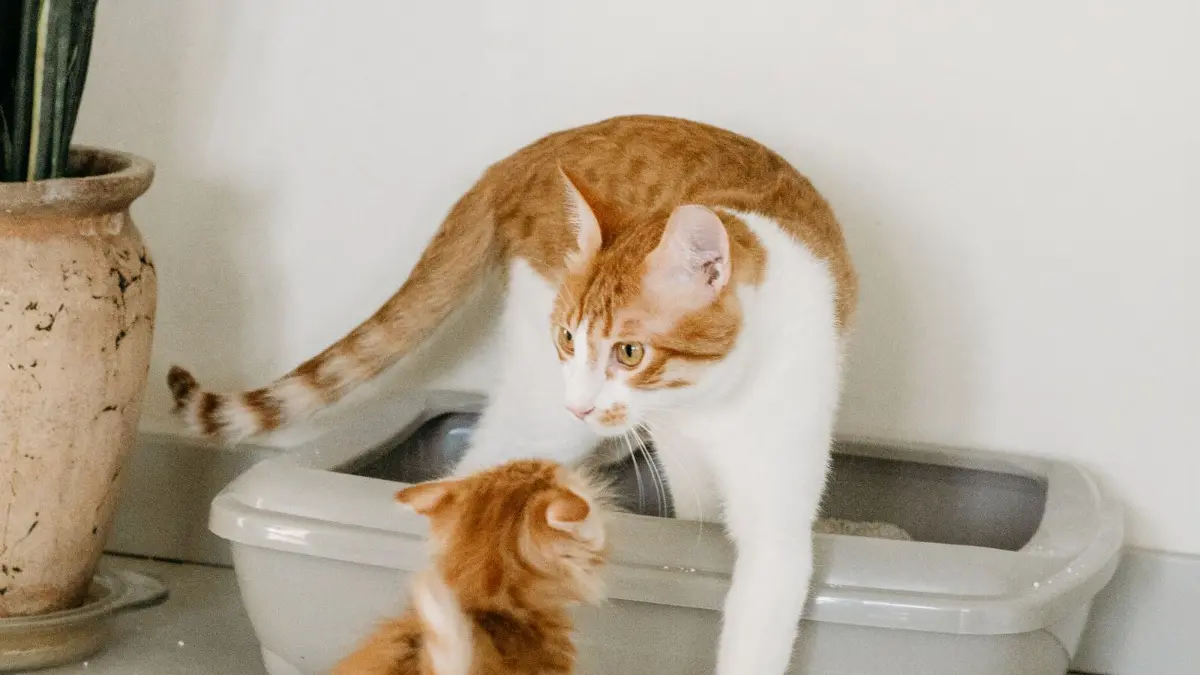
A litter box is the least pretty thing in a cat home. Litter box furniture makes it look like a cabinet, bench or end table. It can hide the box in a living room or bathroom. But a cat has to accept it. A too-small interior, a narrow entrance or poor airflow can make a cat refuse to use the box. This guide explains types, sizes, entrances, ventilation and odor, placement, cat behavior tips and how to choose. Sizes are seller figures. This is not veterinary advice. If your cat avoids the litter box or has changes in urination, talk to a vet.
Types of Litter Box Furniture
Litter cabinet with a door. A box with a side or front entrance. Litter box bench. A seat with a hidden box. Side table litter enclosure. Tabletop with a hidden box. Modern litter enclosure from Catsplay and others, in small and large sizes. Large-cat washroom furniture. Tall cabinets such as a 154 centimeter model on ManoMano. Cabinet with doors and odor control. Overstock lists a natural wooden litter box cabinet with doors. Cottage-style houses. The Refined Feline Cottage Deluxe cat litter box in X-large.
Sizes and Entrance Holes
Listings show a range: A large-cat listing gives an overall size of about 31 by 21 by 57 inches, with an entrance roughly 11.8 inches wide by 14.9 inches tall. The cabinet size is 30.3 by 21.2 inches. Chewy’s X-large Refined Feline box has interior dimensions of about 31 inches wide, 20.5 inches high and 21 inches deep. A European cabinet for cats up to about 10 kilograms lists an internal size of 70 by 42.5 by 35 centimeters and a 20 by 20 centimeter cat hole. Smaller units have tighter openings. One listing gives a 10 inch diameter hole and a box max of 17.5 by 16.5 by 19.5 inches, which suits smaller cats.
So hole sizes range from about 10 inches round to 12 by 15 inches, and larger cats need bigger holes and interiors.
Choose the Litter Box First
One listing advises that the recommended pan be smaller than 53 by 45 by 49 centimeters (length, width, height) for its cabinet. Steps. Choose a litter box your cat likes. Many vets suggest a box about 1.5 times the cat’s length (general guidance, ask your vet). Measure the box (length, width, height). Compare with the cabinet’s interior. Check the entrance is big enough for your cat to enter and turn around. Leave room to scoop and top-load if there is a lid.
A guide warns that an enclosure cannot compensate for a too-small pan, stale air or delayed scooping.
Ventilation and Odor
Ventilation is usually built in as rear slots or vent holes, not a fan. One listing notes rear ventilation slots can accommodate universal carbon odor filters (sold separately). A cabinet with a side entrance is said to be better for airflow and light, but an enclosure alone won’t solve odor.
Tips for odor: scoop daily, at least; change litter fully on schedule; wash the box occasionally with mild soap; use a litter your cat likes; use an odor filter if the cabinet supports it; place the unit in a well-ventilated room.
Avoid strongly scented litter if your cat dislikes it.
Placement
Keep the unit away from food and water bowls, since cats instinctively separate their eating and elimination areas. Choose a quiet, accessible spot, not near loud appliances. Avoid high-traffic hallways. Keep it on a stable, level floor. Make sure kids and dogs cannot get in. Dogs may eat cat waste, so some owners choose a cabinet entry that only cats fit. Place near where your cat spends time, but not in the same area as food.
Measure doorways to make sure the cabinet fits through.
Cat Behavior and Acceptance
Introduce the new cabinet slowly. Leave the door open or off at first. Keep the old box available during the transition. Make sure the interior is bright enough. Don’t make the entry too high for kittens or senior cats. Watch for changes in litter habits, and ask a vet.
Some cats dislike enclosed boxes because of trapped smells. If your cat refuses, try an open box in a quieter spot.
Materials
MDF and engineered wood with laminate. Common and affordable. Choose moisture-resistant finishes, because accidents happen. Solid wood for premium models. See the solid wood dresser guide. Plastic liners inside protect the wood. Rattan or wicker panels.
Clean the interior with pet-safe cleaners. Seal edges to resist urine.
Style and Function
Many cabinets double as: side tables with plants or lamps; benches for entryways; TV stands (rare); bathroom storage cabinets. See the bathroom storage guide.
If it doubles as furniture, make sure the top is sturdy and the unit is stable.
Safety
Ensure there are no sharp edges or gaps where a cat can get stuck. Keep litter and chemicals out of children’s reach. If you have a dog, make sure the cat can enter and the dog cannot. Wash hands after scooping. Pregnant people should ask a doctor about handling cat litter.
What are the main strengths and weaknesses?
On the plus side: hides the litter box; looks like furniture; gives privacy to cats; can hold litter supplies. On the downside: costs more than a plain box; may reduce airflow; some cats refuse enclosed boxes; needs the right size.
How to Choose Cat Litter Box Furniture
Choose the litter box first. Measure the interior and entrance. Check the entrance for your cat’s size. Check ventilation and odor filter options. Plan placement away from food and water. Check materials and moisture resistance. Check access for scooping. Check delivery and assembly. Read reviews. Check the return policy.
What mistakes should you avoid?
A few common mistakes are worth avoiding: buying a cabinet before measuring the litter box; choosing an entrance too small for a big cat; skipping daily scooping; placing it next to food bowls; expecting the cabinet to remove odor; ignoring a cat that avoids it.
Frequently Asked Questions
How big should the entrance hole be?
Depends on your cat. Large-cat listings show about 11.8 by 14.9 inches. Small ones show a 10 inch round hole.
Does litter box furniture reduce odor?
An enclosure alone won’t solve odor. Ventilation, filters and scooping matter.
Where should I put it?
Away from food and water, in a quiet spot.
Can a big cat use a cabinet?
Yes, if the interior and entrance are large enough. Choose an extra-large model.
Do all cats accept enclosed boxes?
No. Introduce it slowly and watch behavior.
What if my cat stops using the box?
Talk to a vet, because it can signal health issues.
Conclusion
Litter box furniture hides the box and fits your decor, but the cat’s comfort comes first. Choose the box, measure the interior and entrance, ensure airflow and place the cabinet away from food and water.
Keep scooping daily, since a cabinet can’t replace cleaning. A well-chosen unit makes a home look tidy and keeps your cat happy.
Related guides
 Water Fountain for Cats: Stainless Steel vs Ceramic, Noise and CleaningA cat water fountain keeps water moving and filtered, which some cats like better than a still bowl. Stainless…Read more →
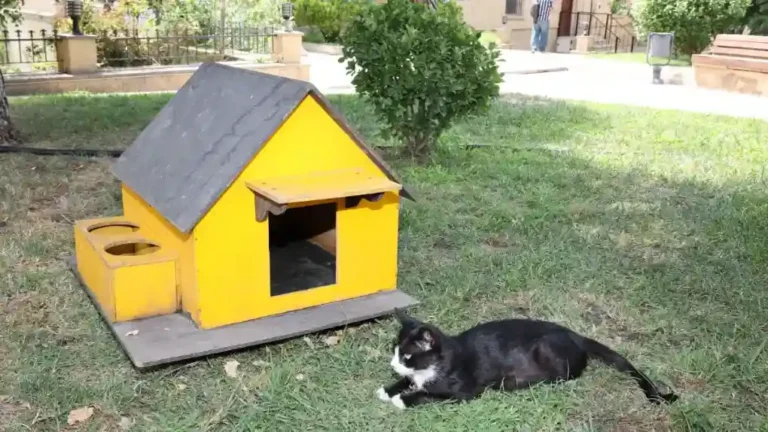 Heated Cat House Guide: Outdoor Shelters, Heated Pads, Thermostats, Wattage and Cord SafetyQuick answer: a heated cat house is an insulated shelter with a heating pad or heater for outdoor or feral cats…Read more →
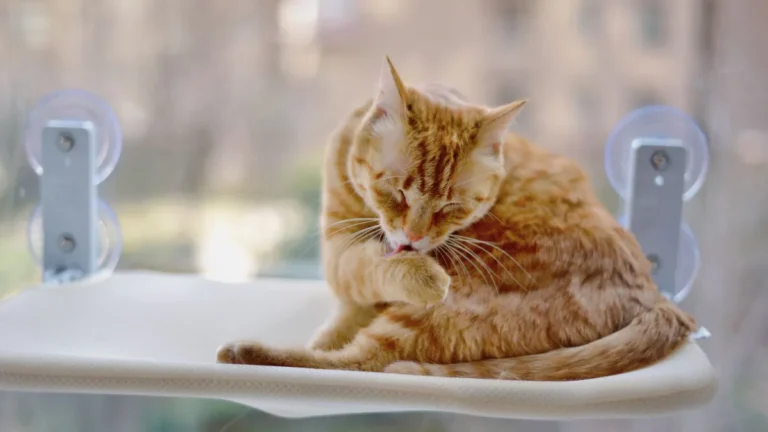 Cat Window Perch Guide: Suction vs Mounted, Weight Limits, Installation and SafetyQuick answer: a cat window perch is a small shelf or hammock that holds your cat at a window. Suction cup…Read more →