
Heated Cat House Guide: Outdoor Shelters, Heated Pads, Thermostats, Wattage and Cord Safety
Quick answer: a heated cat house is an insulated shelter with a heating pad or heater for outdoor or feral cats in cold weather. Look for a built-in thermostat with overheat protection, a chew-resistant metal-reinforced cord, a recognized safety certification such as UL or MET and good insulation. Low-wattage pads (20 to 50 watts) can work in well-insulated houses.
This article is part of our cat furniture guide, where you can compare related options.
Cold weather is hard on outdoor cats, feral colonies and cats that spend time in garages or porches. A heated cat house gives them a dry, warm place. But electrical heat near animals needs careful choices. A poorly designed pad, an exposed cord or a leaky roof can cause harm. This guide explains types, safety features, wattage, certifications, insulation, placement, cleaning and how to choose. This is not veterinary or electrical safety advice. Ask a vet about cold weather care, and ask an electrician about outdoor outlets.
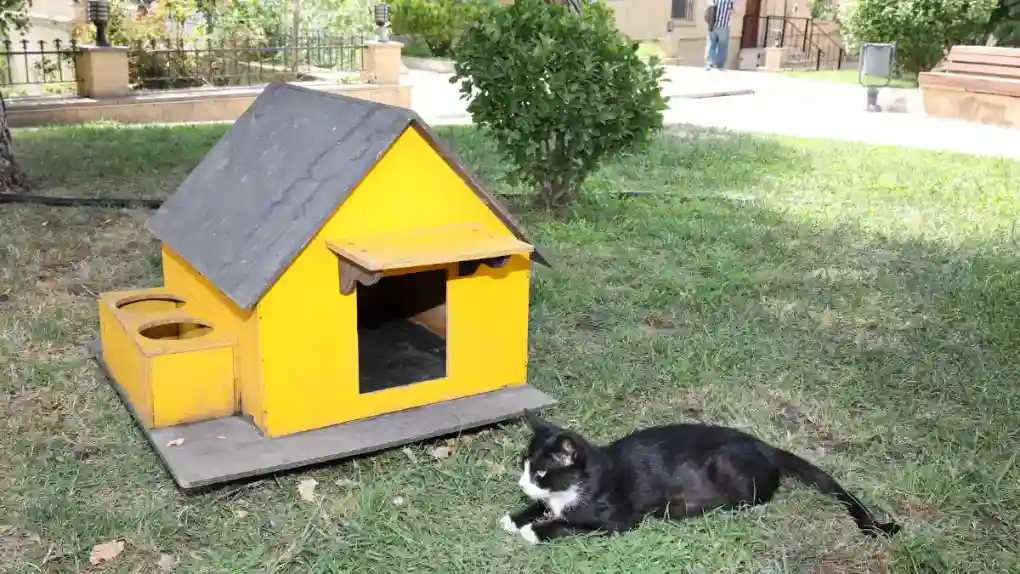
Types of Heated Cat Houses
Heated outdoor cat house. A weatherproof shelter with an included heating pad. Aivituvin sells heated outdoor cat houses with insulated liners and heaters. Two-story wooden cat house. Aivituvin’s two-story models for indoor and outdoor use with liners. Plastic thermo shelter. K&H Thermo-Mod Kitty Shelter and Thermo Outdoor Kitty House (22 by 19 by 17 inches). Heated pad or mat. Placed inside an existing house. K&H Extreme Weather Kitty Heated Pad. Smart thermostat timer houses. Kohl’s lists a smart thermostat timer heated outdoor cat house. Feral cat shelter. Insulated, minimal design.
Key Safety Features
Thermostat and Overheat Protection
Heated pads typically have a built-in thermostat with overheat protection. One listing describes a pad that maintains a pet-safe 95 to 113 degrees Fahrenheit (35 to 45 degrees Celsius) range via its built-in thermostat, with a fully waterproof enclosure, chew-resistant metal-reinforced cord and overheat safeguards. Another pad maintains 89 to 116 degrees Fahrenheit, plus it has high-temperature protection. These are product claims.
Chew-Resistant Cord
Metal-reinforced or otherwise chew-proof cabling to reduce risk of electrocution for feral cats. One roundup asserts that electrical damage is the leading cause of shelter failure in outdoor cat houses. I found no independent source backing that claim. Protect cords with covers or conduits where possible, and route them out of reach.
Certifications
Look for UL, MET (ETL) or other recognized safety certifications for heating elements used near animals. A K&H 40 watt mat is described as tested and certified by MET Labs to exceed US and Canadian electrical safety standards. Verify certification on the manufacturer’s site or the lab’s database before relying on it.
Wattage
Wattage figures vary: One guide says low-wattage heated beds (20 to 50 watts) can be effective in well-insulated houses, while more powerful units (100 to 500 watts) may be necessary for poorly insulated or colder environments. A K&H listing gives 25 watts, and another a 40 watt mat. So wattage varies by model.
Higher wattage uses more power and increases risk if misused. Prefer thermostat-controlled, low-wattage pads in well-insulated houses.
Insulation and Weatherproofing
Heat only works if the house holds it.
Insulated walls and floor. A liner or foam layer. Raised floor off the ground to avoid cold and damp. Weatherproof roof with a sloped design. Small entrance to hold heat. A flap can help (but make sure cats can use it). Windbreak or an entrance facing away from wind. Dry bedding. Straw works better than blankets outdoors (general feral cat guidance); blankets can get wet and cold. Ask a rescue group.
Power Supply Safety
Key points: use an outdoor-rated GFCI outlet and an outdoor extension cord, as an electrician advises; keep connections off the ground and away from water; use a weatherproof cover for plugs; do not overload circuits; check cords for chew marks regularly; unplug in summer or when not needed.
Ask a licensed electrician about outdoor power.
Placement
Key points: place the house in a sheltered spot, such as under an eave or on a porch; raise it off the ground; face the entrance away from wind; keep it away from roads and predators; keep it near an outlet; avoid direct contact with wet ground.
Care and Cleaning
Key points: check the pad and cord weekly; wash removable liners per the label; dry thoroughly; clean with pet-safe cleaners; replace worn parts.
Cat Behavior
Cats may take time to use a new house.
Key points: place near where the cat already rests; add familiar bedding; don’t force the cat inside; watch for signs of overheating (panting); keep multiple exits for safety if several cats share.
For feral colonies, ask a local trap-neuter-return group for guidance.
Indoor Use
Heated pads can also warm indoor cats, especially seniors. Use only products rated for the environment. For indoor beds, see the cat window perch and best cat water fountain guides for related cat furniture.
What are the main strengths and weaknesses?
On the plus side: warm shelter in cold weather; helps outdoor and feral cats; thermostat models regulate heat; many sizes. On the downside: needs power and safe wiring; cord chewing risk; specs are unverified; poor insulation wastes energy.
How to Choose a Heated Cat House
Decide indoor or outdoor use. Check the thermostat and overheat protection. Check the cord (chew-resistant). Check certification (UL or MET). Check wattage vs. climate and insulation. Check insulation and weatherproofing. Check size for your cat(s). Plan safe power. Read reviews from cold regions. Check the warranty.
What mistakes should you avoid?
A few common mistakes are worth avoiding: choosing a pad with no thermostat; using an indoor-only cord outdoors; ignoring insulation; not checking cords; placing it on wet ground; trusting unverified safety claims.
Frequently Asked Questions
Are heated cat houses safe?
They can be, with a thermostat, overheat protection, a chew-resistant cord and a recognized certification. Check regularly.
How many watts do I need?
One guide says 20 to 50 watts for well-insulated houses and 100 to 500 for poorly insulated, colder ones.
Do I need a thermostat?
Look for a built-in thermostat with overheat protection.
What certification should I look for?
UL, MET or another recognized safety certification.
Can I use a heated pad in any cat house?
Only if the pad is rated for the setting, and the house is dry and insulated.
Where should I put the house?
In a sheltered spot, off the ground, away from wind.
Conclusion
A heated cat house can protect outdoor cats from cold when you pick one with a thermostat, a chew-resistant cord and a recognized certification. Add insulation and weatherproofing, keep power safe and check the setup often.
Specs are product claims, so verify them. Ask a vet or a rescue group for cold-weather advice.
Related guides
 Water Fountain for Cats: Stainless Steel vs Ceramic, Noise and CleaningA cat water fountain keeps water moving and filtered, which some cats like better than a still bowl. Stainless…Read more →
 Cat Window Perch Guide: Suction vs Mounted, Weight Limits, Installation and SafetyQuick answer: a cat window perch is a small shelf or hammock that holds your cat at a window. Suction cup…Read more →
 Best Cat Water Fountain Guide: Stainless Steel vs Ceramic vs Plastic, Filters, Noise and CapacityQuick answer: the best cat water fountain is usually stainless steel or ceramic, because these materials resist…Read more →


2 Comments