
Smart Toilet Guide: Features, Power Needs, Costs and Smart Toilet vs Bidet Seat
A smart toilet adds comfort features to a normal toilet: a warm seat, warm-water cleaning, a warm-air dryer and sometimes an automatic lid. It sounds like a luxury hotel feature, and for many people it is. But a smart toilet is also an electric appliance in your bathroom. It needs power, it costs more than a standard toilet and it can cost more to repair. Before you buy, it helps to know what you are getting and whether a cheaper option might do the same job.
This article is part of our toilet and bidet guide, where you can compare related options.
A smart toilet is a toilet with built-in electronics. Common features, depending on the model, include warm-water bidet washing, a heated seat, warm-air drying, adjustable seat temperature, a deodorizer, a night light, automatic opening and a remote control. This guide explains the features, power requirements, costs, pros and cons and how a smart toilet compares with a bidet seat. Always check the product manual.
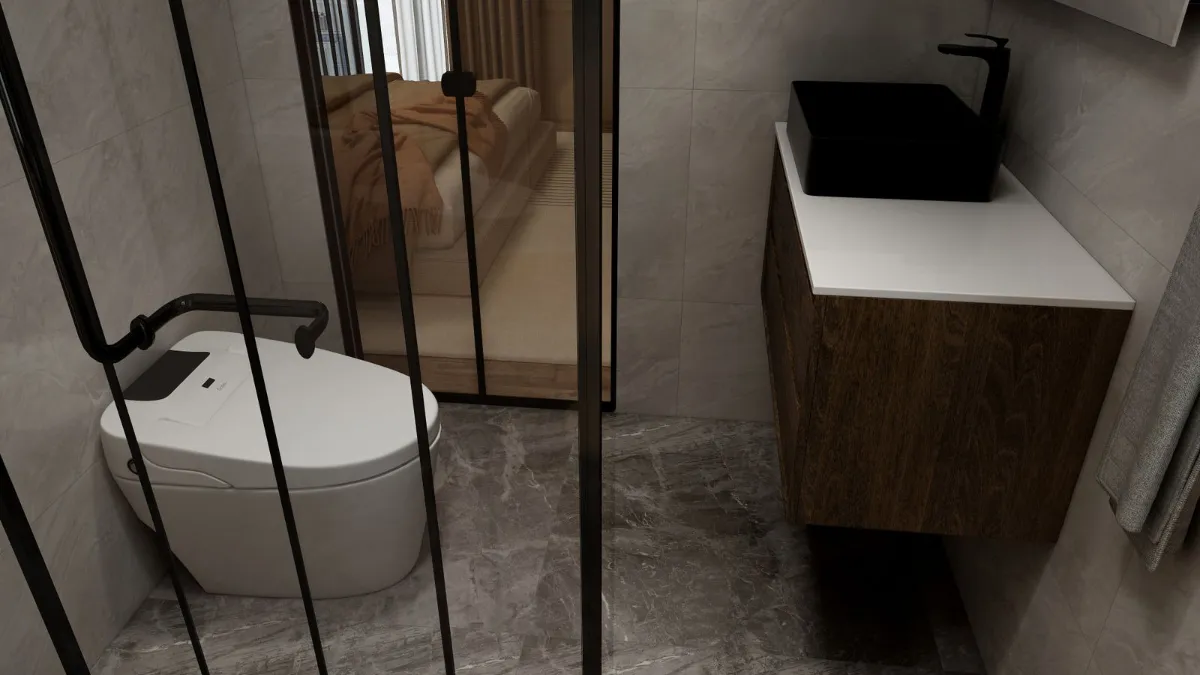
Common Smart Toilet Features
Warm-water cleansing. Adjustable water temperature, pressure and nozzle position. Heated seat. Keeps the seat warm. Many models let you adjust the temperature rather than offering a single heat setting. Warm-air dryer. Dries after washing, which can reduce the need for toilet paper. Automatic lid and seat. Opens when you approach and closes when you leave. Automatic flush. Flushes after you stand up. Deodorizer. A fan and filter reduce odors. Night light. A soft light for nighttime visits. Self-cleaning nozzle. Rinses itself. Remote or panel control. Lets you save settings for different users.
Not every model has every feature, and more features usually mean a higher price.
Power Requirements
Power is the key limit. Most smart toilets need a nearby electrical outlet to power the heater, water heater, dryer, sensors and controls. Without power, usually only the flush works, and some models may not flush at all without power.
Some guides give wattage figures. One source says a tankless bidet seat can have a maximum power draw of 1,400 watts, while a tank-type seat draws about 600 watts at its peak. Those are peak figures and can differ from average use. Battery power is not a practical workaround for heated models. Many installations need a GFCI outlet, which is a safety outlet for wet areas. If you do not have one near the toilet, you may need an electrician.
Check the product manual for exact requirements, and ask an electrician before adding an outlet.
Cost
Costs vary widely.
Electric bidet seats for an existing toilet: about $200 to $800 in the US, according to one guide. Full smart toilets: costlier, and can be several times the price of a standard toilet. Installation: may add the cost of a plumber or electrician. Running cost: small but real, since the seat and water heater use electricity. Repairs: electronics and sensors can cost more to fix.
I did not find reliable price figures beyond these approximate ranges, so get quotes from retailers.
Installation and Fit
A smart toilet is not always a drop-in replacement. Check: Rough-in distance. The measurement from the wall to the center of the drain. Common is 12 inches, but check yours. Water supply location. The shutoff valve must reach the toilet. Outlet location. Cords must not cross wet areas. Space. Smart toilets are often larger and need more clearance. Floor and flange. A flat, stable floor and a good flange. Water pressure and hardness. Hard water can build scale.
One source notes that installation takes a little longer than for a standard toilet. For apartments, a smart toilet may not be allowed by the landlord. See the heated toilet seat guide for simpler options.
Pros
Key points: warmth and comfort, especially in cold climates; better personal cleaning, with less toilet paper; helpful for people who find wiping difficult; adjustable settings for different users; a modern feel.
Cons
Key points: high cost; needs power and a nearby outlet; hard water care. Descaling and filter changes; repairs may be expensive; installation can be complex; spray strength may feel gentle to some people; heater failure. Seats can malfunction like any appliance.
| Pros | Cons |
|---|---|
| Heated seat | High cost |
| Warm-water wash | Needs power |
| Less toilet paper | Repairs cost more |
| Adjustable settings | Hard water care |
Smart Toilet vs Bidet Seat
For renters or homes with limited outlets, a bidet seat on an existing toilet is often easier and cheaper. The flush stays mechanical, and if the seat fails, you can replace the seat alone. A full smart toilet is more sensible in a new build or a full remodel, where wiring and plumbing are planned.
One source suggests that a conventional toilet paired with a smart bidet seat can be a lower-risk alternative, since the toilet’s mechanical flushing system stays separate from the electronic seat. Another says bidet seats on existing toilets are often the best choice for renters or homes with limited power. See the portable bidet and heated toilet seat guides.
Smart Toilet for Different Homes
Guest bathroom: a smart toilet adds a luxury touch, but may be used rarely. A bidet seat may be enough. Apartment: check landlord rules and outlet access. Master bathroom: often the best place for a full smart toilet. Older adults or people with mobility needs: features like automatic lids, warm washing and drying can help. Talk to a healthcare provider about needs. Homes with hard water: plan for descaling and filters.
What to Check Before Buying
Outlet and plumbing location. Rough-in distance. Water pressure and hardness. Features you will actually use. Warranty and parts availability. Whether a plumber or electrician is needed. Cleaning and maintenance needs. Noise level and ease of use. Local code and landlord rules.
What mistakes should you avoid?
A few common mistakes are worth avoiding: not having a nearby outlet; skipping the rough-in measurement; paying for features you will not use; ignoring hard water; forgetting about power outages; buying without checking the return policy.
Frequently Asked Questions
Does a smart toilet need electricity?
Yes, for the heated seat, bidet and dryer.
Is a smart toilet worth it?
It can be for comfort, but a bidet seat is cheaper and lower risk for many homes.
How much does a smart toilet cost?
Bidet seats run roughly $200 to $800, and full smart toilets cost more.
Can I install one myself?
Maybe, but an outlet and plumbing fit may need a professional.
Do smart toilets work in a power outage?
Usually only the flush works, and some models need power for it too. Check the manual.
Are smart toilets hard to clean?
Many have self-cleaning nozzles, but hard water can cause build-up. Follow the manual.
What is the difference between a smart toilet and a bidet seat?
A smart toilet has the electronics built into the toilet. A bidet seat attaches to a regular toilet.
Conclusion
A smart toilet adds comfort but also cost and upkeep. Check your power, plumbing and budget first, and think about whether a bidet seat could give you the features you want.
If you only want a warm seat and a bidet, a seat attachment may be the better pick. If you are remodeling and want everything built in, a smart toilet can be a nice upgrade.
Related guides
 Toilet Dimensions: Standard Size, Rough-In and Clearance RequirementsA standard toilet is about 28 to 30 inches deep, roughly 20 inches wide and 27 to 32 inches high, and the most…Read more →
 Toilet with Bidet: Built-In vs Bidet Seat, Cost, Power Needs and DrawbacksA toilet with a bidet either has the washing function built into the bowl or uses a bidet seat that replaces…Read more →
 RV Toilet Guide: Gravity Flush, Macerating, Cassette and Composting Types ComparedQuick answer: the four main RV toilet types are gravity flush (simple and common), macerating (grinds waste for…Read more →
 Smart Mirror Guide: LED Lighting, Anti-Fog, Bluetooth, Wiring and How to ChooseA smart mirror is a bathroom mirror with extra features built in: LED lights, an anti-fog heater, touch…Read more →


One Comment