How to Clean a Mattress: Step-by-Step Guide for Stains and Odors
You spend a third of your life on your mattress, and it collects more than you might think. Sweat, dust, skin flakes, spills and accidents all end up in the fabric. Cleaning it a few times a year keeps it fresher and helps it last longer.
This article is part of our mattress buying guide, where you can compare related options.
To clean a mattress, strip the bedding, vacuum the surface, treat stains, let a deodorizer like baking soda sit on it and vacuum again. Let the mattress dry fully before you put the sheets back. The steps are simple, but the details change with the type of stain and the type of mattress.
This guide gives you a basic cleaning routine, plus step-by-step help for urine, sweat, blood and other common stains. You’ll also learn what to avoid, how to keep a mattress clean and answers to common questions.
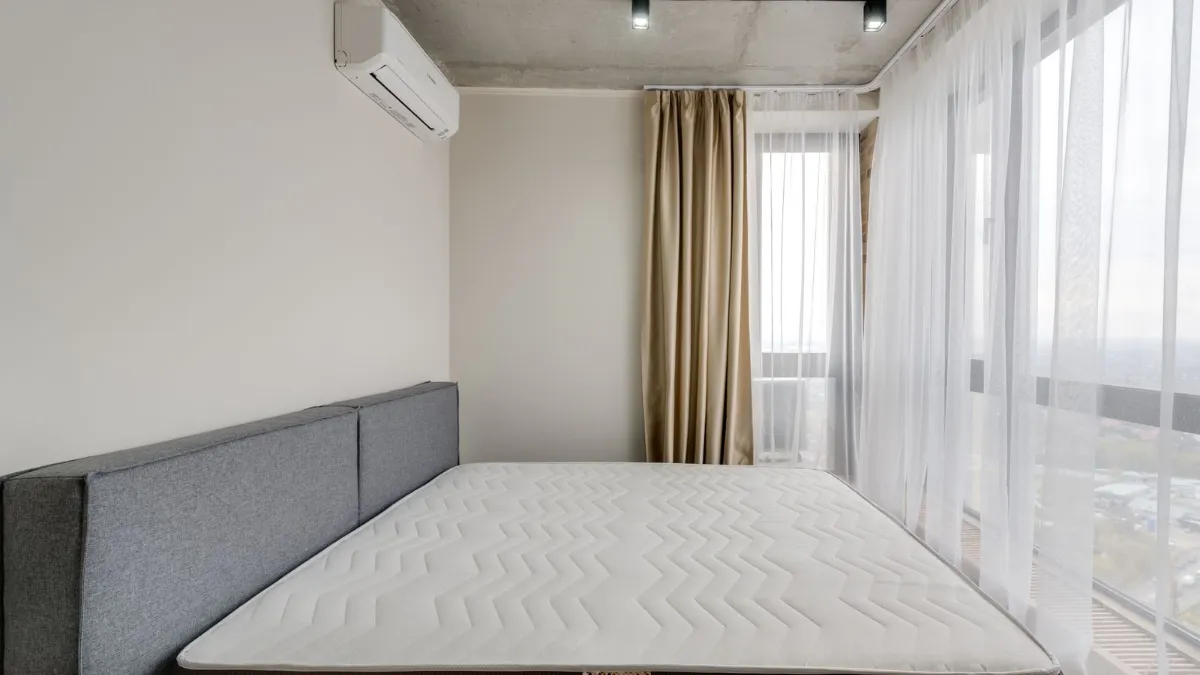
What You Need Before You Start
Gather the supplies before you begin so you don’t leave the mattress half-wet.
Key points: a vacuum with an upholstery attachment; baking soda; white vinegar; dish soap; hydrogen peroxide (3%) for some stains; a spray bottle; clean white cloths or towels; a soft brush; an enzyme cleaner, if you’re treating pet or urine stains.
Check the care tag on your mattress and the maker’s website first. Some foam mattresses react badly to certain products. If the maker says not to use something, follow that advice.
How to Clean a Mattress: The Basic Routine
This routine works for general upkeep, about every few months.
- Strip the bed. Take off all sheets, covers and pillow protectors. Wash them as the labels direct.
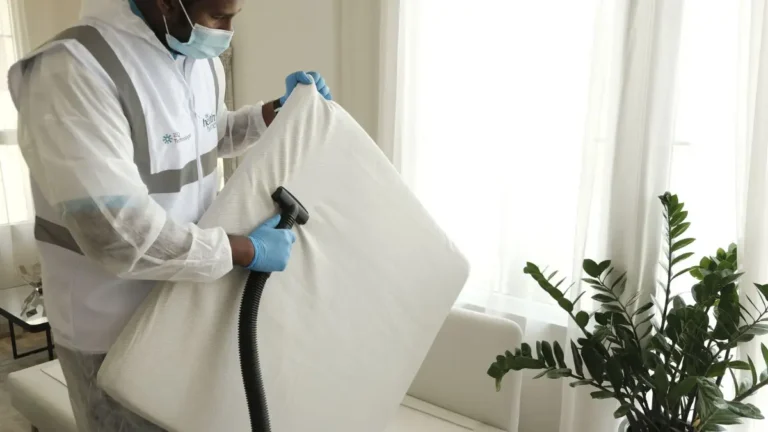
- Vacuum the whole mattress. Use the upholstery attachment. Go over the top, the sides and the seams, where dust likes to hide.
- Treat visible stains. Use the methods in the next section.
- Sprinkle baking soda. Cover the whole surface in a thin, even layer. Baking soda absorbs moisture and odors.
- Let it sit. Guides give different times. Some suggest 30 to 60 minutes, and others say at least 8 hours for a deeper clean. If you can, leave it longer for stronger smells.
- Vacuum again. Remove all the baking soda.
- Flip or rotate if allowed. Some mattresses are made for one side only. Check the maker’s guidance.
- Let it air out. Open a window or use a fan. If you can, let the sun in for a little while.
- Remake the bed. Only put sheets on once the mattress is fully dry.
How to Remove Urine Stains and Smells
Urine stains are among the most common. The key is to act fast, since stains get harder to remove over time.
- Blot first. Press dry towels on the spot to soak up as much liquid as you can. Don’t rub, since rubbing pushes liquid deeper.
- Spray with a vinegar mix. Many guides suggest equal parts white vinegar and water. Lightly spray the area, but don’t soak the mattress.
- Cover with baking soda. Add a thick layer over the damp spot.
- Let it sit. Leave it for several hours, or overnight for strong odors.
- Vacuum. Remove the baking soda and check the area.
- Repeat if needed. If you can still see the stain or smell it, repeat the steps.
For stubborn stains, some guides use a mix of hydrogen peroxide, a little dish soap and baking soda. Apply it to the stain and let it work before blotting. Test on a hidden spot first, since peroxide can lighten fabric. An enzyme cleaner made for urine breaks down the proteins that cause the smell, which may help when odors don’t go away. If the smell remains after repeated treatment, the urine may have soaked deep into the mattress.
How to Remove Sweat Stains and Yellowing
Sweat leaves yellow marks and a stale smell. Use a mix of hydrogen peroxide, baking soda and a drop of dish soap. Spray or dab it on the stain and gently work it in with a soft brush. Let it sit for a short time, then blot with a damp cloth to lift it. Finish with a light sprinkle of baking soda and vacuum it off after it sits.
How to Remove Blood Stains
Use cold water, since warm water can set the stain. Dab the spot with a cloth dipped in cold water. For a stubborn stain, mix a bit of dish soap with cold water and dab again. Hydrogen peroxide can help on fresh stains, but test it on a hidden area first. Blot dry with a clean towel.
How to Remove Other Common Stains
| Stain | What to try |
|---|---|
| Coffee or tea | Blot, then dab with a vinegar and water mix |
| Wine | Blot, then dab with a little dish soap and cold water |
| Grease or oil | Sprinkle baking soda, let it sit, then vacuum |
| Vomit | Remove solids, blot, then use a vinegar mix and baking soda |
| Pet accidents | Blot, then use an enzyme cleaner |
Always blot, don’t rub. Keep the cleaning liquid light, so the inside of the mattress doesn’t get wet.
How to Clean Different Mattress Types
Memory foam: foam holds moisture, so use as little liquid as you can. Check the maker’s instructions before using any cleaning product. Don’t soak it, and let it dry completely. Innerspring: these mattresses dry a little faster because air moves through the coils, but the fabric on top still needs gentle care. Don’t use too much water, since it can rust the coils. Hybrid: treat it like foam on top. Use light moisture and good airflow. Latex: natural latex doesn’t like harsh chemicals or too much water. Use mild soap and little liquid.
Never put a mattress in a dryer or wash it in a machine. Never use steam cleaners unless the maker says it’s okay.
How to Dry a Mattress Fast
A wet mattress can grow mold, so dry it well. Blot as much moisture as you can. Point a fan at the spot, and use a dehumidifier if you have one. Open the windows if the weather is dry. A bit of sunlight can help, but don’t leave a foam mattress in strong sun for a long time. Don’t put sheets back on until the surface feels fully dry.
How Often Should You Clean a Mattress?
A light cleaning every few months works for most households. Vacuum it each time you change the sheets if you can. Deep clean it twice a year, or sooner after spills, illness or allergy flare-ups. Wash bedding often, since it protects the mattress from sweat and oil.
How to Keep a Mattress Clean Longer
Use a waterproof mattress protector. It’s the best defense against spills and sweat. Wash the protector and sheets regularly. Let the bed air out each morning for a few minutes before you make it. Don’t eat or drink on the bed. Keep pets off the bed, or use a washable cover. Rotate or flip the mattress if the maker allows it. Keep the bedroom dry and well ventilated.
When to Replace a Mattress Instead
Cleaning can’t fix everything. If you notice deep sagging, lumps, broken springs or strong smells that return after cleaning, it may be time for a new mattress. Also replace it if you see mold. If you have allergies or asthma and your symptoms get worse at night, talk to a health professional.
Frequently Asked Questions
Can I clean a mattress with baking soda and vinegar?
Yes. Many guides use a vinegar and water mix on the stain, then baking soda to absorb moisture and odor. Use light amounts of liquid, and check the maker’s advice for foam.
How long should baking soda sit on a mattress?
Guides vary. Some suggest 30 to 60 minutes for light cleaning, while others recommend at least 8 hours for deep cleaning and odors.
How do I get urine out of a mattress?
Blot right away, spray a light vinegar and water mix, cover with baking soda and let it sit. Vacuum and repeat if needed. An enzyme cleaner can help with stubborn smells.
Can I steam clean a mattress?
Only if the maker allows it. Steam adds moisture and heat, which can damage foam and cause mold.
How do I dry a mattress after cleaning?
Use fans, open windows and a dehumidifier if you have one. Keep sheets off until the mattress is completely dry.
Should I flip my mattress?
Only if it’s made to be flipped. Many modern mattresses have a top and bottom and shouldn’t be flipped. Rotating them head to foot is often fine.
Conclusion
Cleaning a mattress takes a vacuum, baking soda and a little patience. Strip the bed, vacuum, treat stains, let baking soda do its job and give the mattress time to dry. For urine, sweat and blood, the right method and quick action make a big difference.
Check the care tag, avoid soaking the mattress and use a protector to keep it clean going forward. A few simple habits can keep your mattress fresher and help it last longer.
Related guides
 Folding Mattress: Tri-Fold Foam Thickness, Sizes, Density and Who It SuitsA folding mattress is a foam mattress that folds into thirds so you can store it in a closet or carry it.…Read more →
 Adjustable Mattress Guide: Which Mattress Types Work on Adjustable Bases (Foam, Latex, Hybrid) and What to CheckQuick answer: most foam, latex and many hybrid mattresses work on an adjustable bed base. Casper rates memory…Read more →
 Inflatable Mattress Guide: Air Bed Height, Built-In Pumps, Leaks, Weight Capacity and CareQuick answer: an inflatable mattress, or air bed, is a mattress you fill with air for guests, camping or…Read more →
 Full vs Queen Mattress: Size Difference, Couples, Room Size, Price and How to ChooseFull and queen mattresses are two of the most popular sizes in the country, and they look close on a size…Read more →