Mattress Pad Guide: Pad vs Topper vs Protector, Thickness, Layering Order and Care
Shopping for mattress layers can be confusing. Pads, toppers, protectors and covers are all sold near each other, and the names are used loosely. You might buy a pad hoping to fix a firm mattress, then find it barely changes how the bed feels. Or you might buy a topper when what you needed was a waterproof protector. Knowing the differences saves money and sleep.
This article is part of our mattress buying guide, where you can compare related options.
A mattress pad is a thin, quilted layer that goes on top of the mattress and under the fitted sheet. It adds a little softness and some light protection. This guide explains what a pad is, how it differs from a topper and a protector, how thick each is, what order to layer them in, how to choose and how to wash a pad. The sources agreed on the basics, but said little about fill materials or fitted skirt sizing, so those parts are general knowledge and I mark them.

What Is a Mattress Pad?
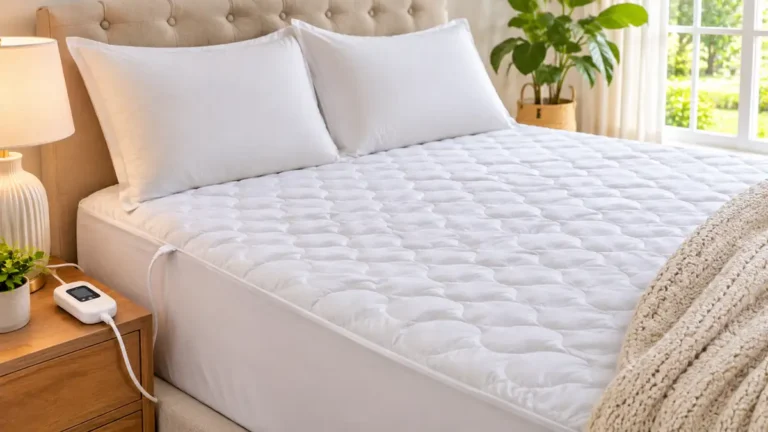
A mattress pad is a thin, lightly cushioned layer, often quilted, that adds a little softness and some light protection. It usually has a fitted skirt or elastic corners that hold it on the mattress. It is sometimes called a mattress cover, though that term is also used for protectors and encasements. See the mattress cover guide.
A pad adds only slight softness and won’t reshape the bed the way a topper does.
Pad vs Topper vs Protector
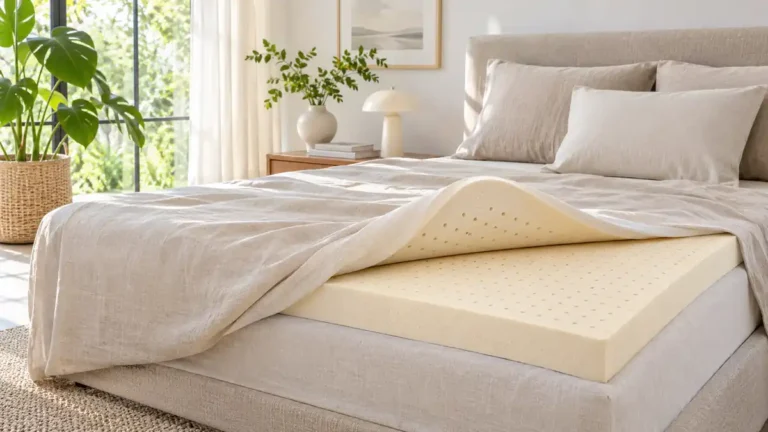
Mattress pad: thin and lightly cushioned. Adds a little softness. Provides light protection from dirt and wear. Rarely fully waterproof. Mattress topper: the thicker item that mainly changes how the bed feels. One source lists toppers at roughly 2 to 3 inches thick. Made of foam, latex, fiber or other materials. See the mattress topper guide. Mattress protector: its job is defense. Protectors are typically the waterproof layer, while pads are rarely fully waterproof. Protectors are thin. Some protectors are padded, which blurs the line between protector and pad. Some are sold as padded protectors, adding cushioning alongside the protection. Encasement: covers all six sides of the mattress. See the mattress cover guide.
| Layer | Thickness | Main job | Waterproof? |
|---|---|---|---|
| Pad | Thin, quilted | Light cushion and protection | Rarely |
| Topper | About 2 to 3 inches | Change the feel | No |
| Protector | Thin | Defense against spills and stains | Often |
| Encasement | Thin | Full coverage, bed bugs | Check listing |
When to Use a Pad
A pad can help if: You want slightly more softness without buying a thick topper. You want to protect the mattress from body oils and wear. You want a thin layer that is easy to wash. Your mattress is in decent shape and you want a little extra comfort. You want a layer between the mattress and the sheet.
A pad will not fix a sagging mattress or very firm bed. For that, you need a topper or a new mattress. See the how to choose a mattress guide.
Layering Order
Products can usually be stacked. One suggested order is: mattress, then topper, then pad or protector, then fitted sheet. In other words:
- Mattress.
- Topper (if you use one).
- Pad or protector.
- Fitted sheet over everything.
Some people put a protector directly on the mattress, then a topper, then another protector over the topper to keep it fresh. One source notes that you can still place a protector over your topper to keep it fresher for longer.
Check that the fitted sheet is deep enough for all the layers. See the fitted sheet guide for measuring the full stack.
Care
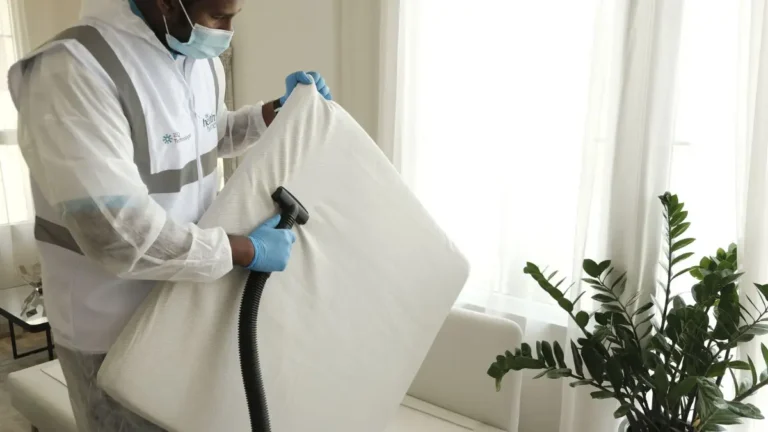
Pads are generally easier to maintain than toppers, and some pads have removable, machine-washable covers. Always check the label.
Key points: wash the pad every month or two, or as needed; use a gentle cycle with mild detergent; avoid bleach and fabric softener; dry on low heat or air dry; fluff after drying; spot clean spills quickly; replace when the pad loses its loft or wears thin.
Fill Materials (General Knowledge)
Check each product.
Key points: polyester fiberfill. Common and affordable; cotton. Breathable; down alternative. Soft; wool. Temperature regulating; memory foam or latex layers. More like a thin topper; cooling fabrics. Some pads add cooling covers. See the cooling mattress guide.
Sizing and Fit (General Knowledge)
Match your mattress size. Twin, twin XL, full, queen, king or California king. See the full vs queen and twin vs twin XL guides. Check the skirt depth. A skirt that is too shallow will pop off. Check the thickness of the mattress. Elastic corners vs full elastic skirt. A full skirt stays on better. Anchor straps can help on thick mattresses.
What are the main strengths and weaknesses?
On the plus side: adds light softness; protects the mattress; easy to wash; usually affordable; thin, so sheets still fit. On the downside: does not change the bed’s firmness much; rarely waterproof; can bunch or slide if poorly fitted; wears down over time.
How to Choose a Mattress Pad
Decide your goal: softness, protection or both. If you need waterproofing, choose a protector or a padded protector. If you want a big feel change, choose a topper. Match the size and depth. Pick a fill and cover that suit your sleep temperature. Check the care label. Check the warranty and return policy. Read reviews for notes on bunching and sagging.
What mistakes should you avoid?
A few common mistakes are worth avoiding: expecting a pad to fix a firm or sagging mattress; buying a pad when you need a waterproof protector; ignoring the skirt depth; using too many layers and ending up with sheets that don’t fit; washing on high heat; forgetting to replace a worn pad.
Frequently Asked Questions
What is the difference between a mattress pad and a topper?
A pad is thin and lightly cushioned. A topper is thicker, around 2 to 3 inches, and changes how the bed feels.
Is a mattress pad waterproof?
Rarely. Protectors are usually the waterproof layer.
Do I need a pad if I have a protector?
Not necessarily. Choose based on whether you want extra softness.
What order do I layer a pad, topper and protector?
Mattress, topper, pad or protector, then the fitted sheet.
Can I wash a mattress pad?
Many are machine washable. Check the label.
How long does a mattress pad last?
It depends on use and care. Replace it when it loses loft or wears thin.
Conclusion
A mattress pad is a thin, quilted layer that adds light softness and protection. It is not a topper and not a waterproof protector, so decide what you need before you buy.
Layer in the right order, match the size and depth and wash it regularly. With the right layer on top, your bed will feel fresher and last longer.
Related guides
 Heated Mattress Pad Guide: Safety, UL or ETL Marks, Wattage, Dual Zones, Washing and Overnight UseQuick answer: a heated mattress pad is a thin pad with heating wires that goes on your mattress under the sheet…Read more →
 Folding Mattress: Tri-Fold Foam Thickness, Sizes, Density and Who It SuitsA folding mattress is a foam mattress that folds into thirds so you can store it in a closet or carry it.…Read more →
 Adjustable Mattress Guide: Which Mattress Types Work on Adjustable Bases (Foam, Latex, Hybrid) and What to CheckQuick answer: most foam, latex and many hybrid mattresses work on an adjustable bed base. Casper rates memory…Read more →
 Full vs Queen Mattress: Size Difference, Couples, Room Size, Price and How to ChooseFull and queen mattresses are two of the most popular sizes in the country, and they look close on a size…Read more →