Mattress Cover Guide: Cover vs Protector vs Encasement vs Pad
“Mattress cover” is one of those product names that means different things to different sellers. Some use it for a waterproof protector. Some use it for a zippered encasement that wraps the whole mattress. Others use it for a thin quilted pad. If you buy the wrong one, you might get a soft layer when you wanted bed bug protection, or a waterproof sheet when you wanted extra cushioning.
This article is part of our mattress buying guide, where you can compare related options.
This guide explains the four products, compares them, covers waterproofing and bed bugs, and shows how to measure, choose and wash a cover. It draws on mattress-industry guides. Sources disagreed in places, so I flag where to check the product listing. It also pairs with the mattress protector guide, which looks at protectors in more depth.
The Four Products
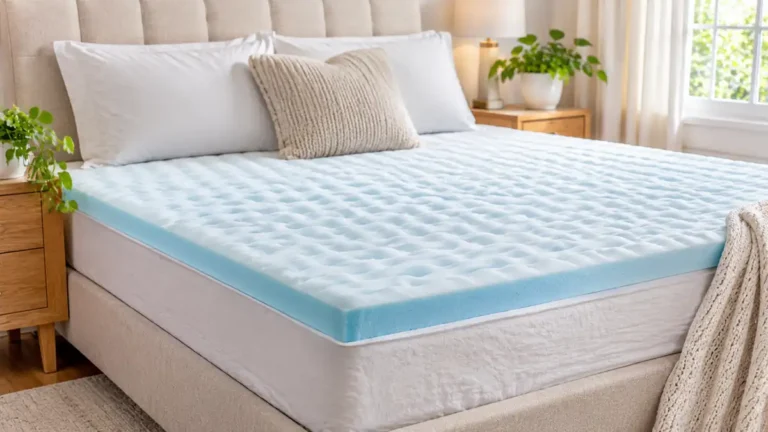
Mattress protector: a protector covers the top and sides of the mattress, like a fitted sheet. It usually has a waterproof or water-resistant layer. It protects against spills, sweat, pet accidents and dust. The bottom of the mattress stays open. It is designed to be washed often. Mattress encasement: an encasement covers all six sides of the mattress and closes with a zipper. Good ones use a membrane and a zipper that closes without gaps. Some sellers call it a “mattress cover.” It is the product people buy for bed bug and dust mite protection. Mattress pad: a pad is a thin quilted layer that sits on top. It adds light cushioning and basic protection from dirt. One source describes it as a thin quilted layer for light cushioning. It is not usually waterproof. Mattress topper: a topper is a thicker comfort layer, often foam, latex or down alternative, that changes how the bed feels. It is not primarily a protection product. See the mattress topper guide.
| Product | Coverage | Main purpose | Waterproof? | Stops bed bugs? |
|---|---|---|---|---|
| Protector | Top and sides | Spills, sweat, stains | Usually | No |
| Encasement | All six sides | Bed bugs, allergens | Check listing | Yes, if zippered |
| Pad | Top | Light comfort | Rarely | No |
| Topper | Top | Comfort change | No | No |
Waterproofing: Protector vs Encasement
Protectors are the usual waterproof choice. They are made with a barrier layer, such as polyurethane or similar, that stops liquid from soaking into the mattress. Sleep Foundation and others describe protectors as primarily waterproof or water-resistant barriers.
Encasements are less clear. Tom’s Guide warns that mattress encasements are not always waterproof, so you could be in a race against time to remove one before liquid soaks through. Sleep Foundation, on the other hand, notes that many mattress encasements include a waterproof layer. Both statements can be true: some are waterproof, and some are not. Read the product description and look for a waterproof membrane or barrier.
Breathability matters. A fully waterproof barrier can feel warm or crinkly. Some covers use a soft, quiet membrane and breathable fabric to reduce that. If you sleep hot, look for cooling fabrics and thin membranes.
Bed Bugs and Allergens
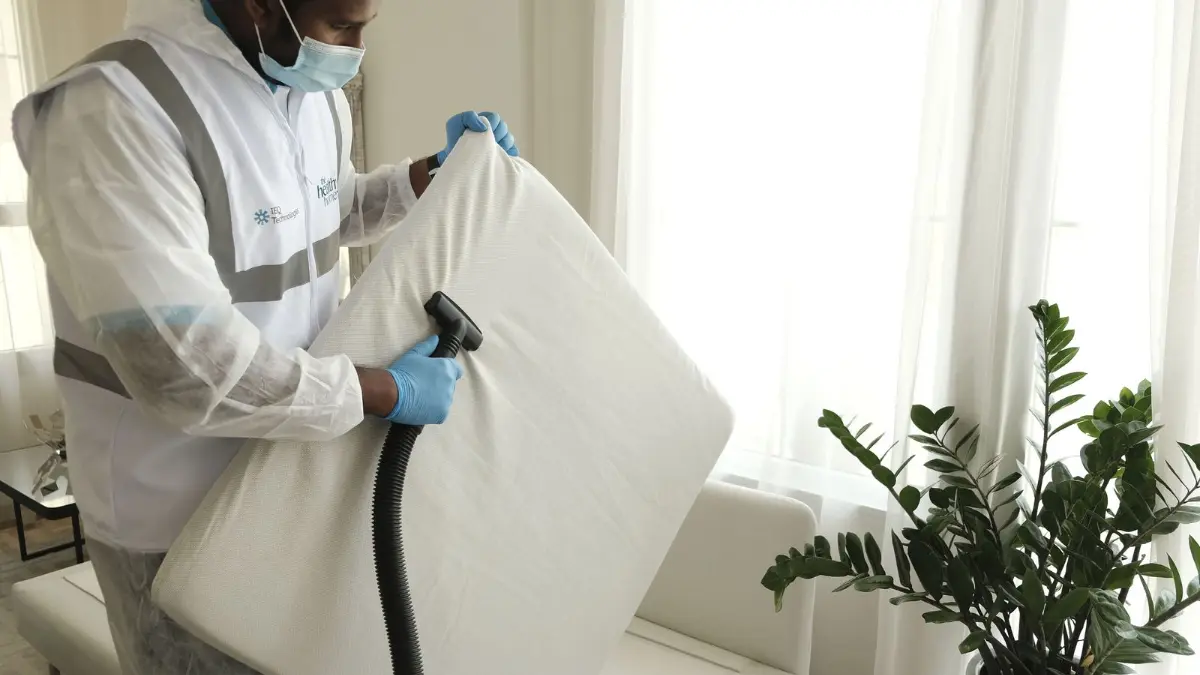
Only a fully zippered encasement can stop bed bugs. A protector that fits like a fitted sheet leaves the bottom open, and bed bugs can crawl under the elastic edge. A good encasement closes all six sides so bed bugs cannot get in or out. One source says an encasement can also trap bugs already inside, which can die over many months. It does not remove an infestation on its own. You still need a broader plan, often including professional treatment.
Dust mite and allergen encasements work the same way. The cover keeps mites and allergens from getting into or out of the mattress. If you have allergies, ask your doctor or allergist whether an allergen-rated cover is right for you.
If you only need protection from spills and stains, a protector is simpler. One source advises that you only need one of the two, not both.
How to Choose the Right Size and Depth
A cover that does not fit will slip, bunch and wear out. Measure your mattress. Length and width. Match the standard size, such as twin, twin XL, full, queen, king or California king. See the bed sizes guides. Depth. Measure from the bottom edge to the top surface. Include any topper if you plan to put the cover over it. Pocket depth. Pick a cover whose pocket depth is at least as deep as your mattress. Deep pocket covers are made for thick mattresses. Check the stretch. Covers with elastic skirts stretch to fit a range of depths.
For odd sizes, such as Alaskan king or split sizes, check availability before you buy the mattress. See the Alaskan king guide.
Materials and Features
Cotton and cotton blends. Soft and breathable. Polyester and microfiber. Durable and often easy to wash. Tencel or bamboo-derived fabrics. Soft and sometimes cooler. Waterproof membrane. Polyurethane is common. Quiet versions reduce crinkle noise. Zipper quality. Look for a strong, tight zipper with a cover flap, especially on encasements. Skirt and elastic. Strong elastic keeps the cover in place. Warranty. Some covers have multi-year warranties.
How to Wash a Mattress Cover
Always follow the care label. General steps:
- Strip the bed and remove the cover.
- Check the label for the water temperature and drying instructions.
- Wash on a gentle cycle with mild detergent.
- Avoid bleach and fabric softener, which can damage waterproof layers.
- Dry on low heat or air dry. High heat can damage the membrane.
- Put it back when fully dry.
Wash protectors every month or two, or more often if there is a spill. Wash encasements less often, since they stay on the mattress for a long time. Wipe the zipper area occasionally.
Mattress Warranty and Stains
Most mattress warranties do not cover stains. A protector or encasement helps you avoid stains that void the warranty. Some brands even recommend using a protector. Keep a record of the cover and read your mattress warranty for details. See how to choose a mattress for more on warranty terms.
What are the main strengths and weaknesses?
Protector
- Pros: waterproof, easy to wash, low cost.
- Cons: does not block bed bugs, can feel warm or noisy.
Encasement
- Pros: full coverage, blocks bed bugs and allergens when zippered.
- Cons: harder to remove, sometimes not waterproof, can be warm.
Pad
- Pros: adds light comfort.
- Cons: little protection.
How to Choose a Mattress Cover
Decide your main concern: spills, bed bugs, allergies or comfort. Choose the product type that matches: protector, encasement, pad or topper. Measure your mattress length, width and depth. Check waterproofing in the listing. Check breathability if you sleep hot. Read the care label to make sure you can wash it easily. Check the warranty and return policy. Read reviews for notes on noise, fit and durability.
What mistakes should you avoid?
A few common mistakes are worth avoiding: assuming every encasement is waterproof (check the listing); using a protector to try to stop bed bugs (it leaves the bottom open); buying the wrong depth (the cover slips or tears); washing on high heat (it can damage the membrane); using bleach or fabric softener; using a pad when you need a waterproof protector.
Frequently Asked Questions
What is the difference between a mattress cover and a protector?
Sellers use the words loosely. A protector usually covers the top and sides and is waterproof. A cover can mean a protector, an encasement or a pad, so check the details.
Do I need a mattress encasement?
Mostly if you are worried about bed bugs or allergens.
Are mattress covers waterproof?
Protectors usually are. Encasements may or may not be, so read the description.
Can I use both a protector and an encasement?
One source says you only need one or the other.
How often should I wash a mattress protector?
Every month or two, or sooner after a spill.
Will a mattress cover make the bed hot?
Some do. Look for breathable fabrics and thin membranes.
Does a mattress cover protect the warranty?
It helps prevent stains, which many warranties do not cover.
Conclusion
A mattress cover protects your investment, but the word covers several products. Choose a protector for spills and everyday protection, an encasement for bed bugs and allergens and a pad or topper for comfort.
Measure carefully, check waterproofing, wash it as directed and keep your mattress clean for years.
Related guides
 Folding Mattress: Tri-Fold Foam Thickness, Sizes, Density and Who It SuitsA folding mattress is a foam mattress that folds into thirds so you can store it in a closet or carry it.…Read more →
 Adjustable Mattress Guide: Which Mattress Types Work on Adjustable Bases (Foam, Latex, Hybrid) and What to CheckQuick answer: most foam, latex and many hybrid mattresses work on an adjustable bed base. Casper rates memory…Read more →
 Inflatable Mattress Guide: Air Bed Height, Built-In Pumps, Leaks, Weight Capacity and CareQuick answer: an inflatable mattress, or air bed, is a mattress you fill with air for guests, camping or…Read more →
 Best Duvet Covers Guide: Percale vs Sateen vs Linen, Thread Count, Closures, Ties and FitQuick answer: a duvet cover is a removable case for a duvet insert. Percale is crisp, cool and breathable,…Read more →