Kids Bookshelf Guide: Front-Facing Shelves, Height, Anchoring, Materials and Safety
A good kids bookshelf does more than store books. It invites a child to pick one up. A shelf at the right height, with covers showing, turns reading into something your child can do alone. A shelf at the wrong height, or one that wobbles, becomes a place where books vanish and where a climbing toddler can get hurt. So the choice matters for both learning and safety.
This article is part of our kids bedroom furniture guide, where you can compare related options.
A kids bookshelf is a shelf made for children’s books and often toys. It may be a low front-facing shelf, a tall bookcase, a tree-shaped unit, a sling rack or a modular cube set. This guide explains the types, why front-facing shelves are popular, how high to place them, how to anchor them, which materials and finishes to look for and how to pick one that grows with your child.
Types of Kids Bookshelves
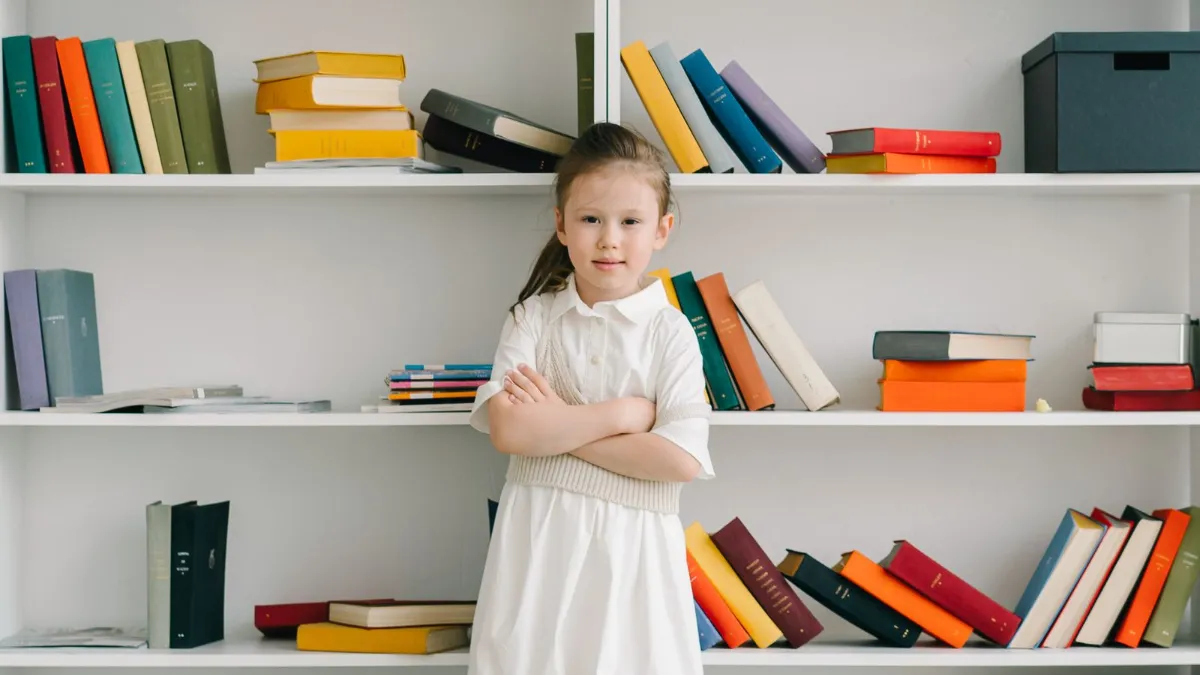
Front-facing (Montessori-style) shelf: shallow shelves or slings that show book covers. Children can see and choose. Typically low, around 24 inches tall in the models reviewed. Fabric sling shelf: a frame with fabric pockets holding books cover-out. Light and easy. A reviewer notes that fabric pockets in popular models can stretch or sag with daily toddler use, so wood or sturdier construction may suit heavy use better. Low bookcase: a short, wide unit with several shelves. Good for books and toys. Tall bookcase: more storage. Needs wall anchoring. See the small bookshelf guide. Tree-shaped or novelty shelf: fun for older kids. AshDeco’s guides aim tree-style or taller units at older kids. Cube organizer: cubes for books, bins and toys. Toy and book combo: shelves with bins for toys below. Wall-mounted ledge shelves: picture ledges that display book covers on the wall. Rolling cart: moves books around the room. Nursery bookshelf: designed for babies through young toddlers.
| Type | Best for | Note |
|---|---|---|
| Front-facing | Babies, toddlers | Easy self-service |
| Fabric sling | Light use | May sag |
| Low bookcase | Books and toys | Stable |
| Tall bookcase | Older kids | Anchor |
| Ledge shelves | Small rooms | Secure mounting |
Why Front-Facing?
Showing covers helps children pick and return books on their own. When a child sees the cover, they recognize favorites, and a spine-out row of thin board books is hard for small hands. The idea is still sensible: easy access encourages independent reading.
Front-facing shelves work best when you rotate the books. Show a few at a time, and swap them every week or two.
Height and Placement
Guidance on height is consistent. Front-facing Montessori-style shelves are typically low, around 24 inches tall in the models reviewed, so toddlers can reach every shelf. One source suggests placing a nursery unit about 24 to 30 inches off the floor, away from the crib, to discourage climbing.
Placement tips: low enough to reach from sitting or standing; away from the crib or bed, where a child could climb; in a cozy reading corner with a rug and a beanbag. See the bean bags guide; near good light; away from windows and cords; not blocking doors or closets.
For older kids, taller shelves work, but keep heavy books low and light items high.
Anchoring and Safety
Several sources treat wall anchoring as essential. One Lazada guide says securing a freestanding unit is a critical step in any home with active toddlers, and recommends units with included hardware or a separate anti-tip kit. Regardless of the height or weight of your child’s bookshelf, securing it to the wall is a non-negotiable safety step. A designer quoted by Hunker makes the same point, noting that kids climb and that anchoring protects them.
How to anchor:
- Find a wall stud.
- Attach the anti-tip bracket or strap to the shelf.
- Screw into the stud, or use anchors rated for the load.
- Check that the strap is tight.
- Re-check every few months.
Other safety checks: rounded corners; no small parts that can break off; stable base. Wide feet; weight limit. Do not overload; no pinch points in folding parts; heavy items low; supervise young children.
See the kids dresser and kids bed guides for other child safety points.
Materials and Finishes
An Our Code World guide lists non-toxic finish, wall anchoring and rounded edges as baseline requirements for an unsupervised kids’ bedroom. Other notes: Solid wood. Strong and long lasting. HomeToSight recommends solid wood or zero-VOC units with rounded edges. Plywood and engineered wood. Lower cost. Check the glue and finish. Certifications. One listing cites GREENGUARD Gold and FSC certifications, which are worth checking for yourself. GREENGUARD Gold relates to low chemical emissions, and FSC relates to responsibly sourced wood. Non-toxic paint and finishes. Children chew on edges. Fabric slings. Easy to clean, but may sag. Plastic. Light and wipeable, but check durability. Smooth sanded edges.
Growing With Your Child
Key points: adjustable shelves; modular units that you can add to; neutral colors that suit different ages; sturdy construction that lasts through school years; changing use. A low shelf can hold toys, then books, then school items.
Match the shelf to the age: front-facing for babies and toddlers, low bookcases for preschoolers, taller units for school-age kids.
Organizing Kids’ Books
Key points: sort by type: board books, picture books, chapter books; rotate seasonal books; keep favorites easy to reach; use bins for small items; label shelves with pictures for pre-readers; keep a basket for books to read next; let kids help put books back.
Add bookends for chapter books. See the bookends guide.
Care
Key points: wipe with a damp cloth; wash fabric slings per the label; check screws and anchors; re-tighten hardware; remove damaged parts.
How to Choose a Kids Bookshelf
Consider your child’s age and height. Choose a type: front-facing, low bookcase or tall bookcase. Check the height and reachability. Check anchoring hardware and plan a stud. Check materials and finish for safety. Check the weight limit and stability. Think about growth. Measure the space. Read reviews for sagging and wobble.
What mistakes should you avoid?
A few common mistakes are worth avoiding: skipping the wall anchor; choosing a shelf too tall for toddlers; placing it next to the crib; using fabric slings for heavy daily use without checking sagging; ignoring finishes; overloading shelves.
Frequently Asked Questions
What is a front-facing bookshelf?
A shelf that displays book covers so children can see and pick books themselves.
How high should a kids bookshelf be?
Low shelves of about 24 inches suit toddlers, and one source suggests placing nursery units 24 to 30 inches off the floor away from the crib.
Do kids bookshelves need to be anchored?
Yes. Sources call wall anchoring non-negotiable, whatever the height or weight.
What materials are safest?
Solid wood or low-VOC finishes with rounded edges, and check certifications.
Are fabric book slings good?
They are light and easy, but may stretch or sag with daily toddler use.
How many books should I display?
A few at a time, rotated often.
Conclusion
A kids bookshelf should be low, stable and inviting. Choose a front-facing shelf for little ones, anchor every freestanding unit to the wall, look for non-toxic materials and rounded edges and rotate the books so your child always finds something new.
With the right shelf, your child’s reading corner becomes a place they want to visit every day.
Related guides
 Kids Couch Guide: Safety, Foam Density, Washable Covers, Sizes and Modular Play CouchesQuick answer: a good kids couch has rounded edges, non-toxic high-density foam, a washable removable cover and…Read more →
 Kids Dresser Guide: Safety, STURDY Act, Anchoring, Drawer Size and How to ChooseA kids dresser holds clothes, but it also needs to do something more important: stay on its feet. Every year,…Read more →
 Kids Desk Guide: Height by Age, Adjustable Desks, Chairs and PostureA kids desk looks like a simple purchase, but the wrong one can make homework harder. If the desk is too high,…Read more →
 Floor Pillows Guide: Sizes (20 to 32 Inches), Fill Types, Meditation Cushions, Covers and CleaningQuick answer: floor pillows are large cushions for sitting on the floor. A 24 inch square suits living room…Read more →