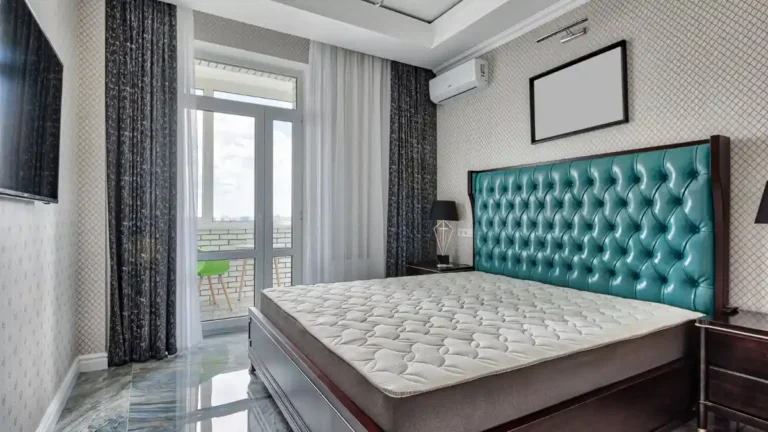
Heated Mattress Pad Guide: Safety, UL or ETL Marks, Wattage, Dual Zones, Washing and Overnight Use
Quick answer: a heated mattress pad is a thin pad with heating wires that goes on your mattress under the sheet to warm the bed. Choose one with a UL or ETL mark, dual controls for couples, auto shut-off and machine-washable fabric. Safety guidance matters: the Electrical Safety Foundation International is quoted as saying never to use a heating pad or electric blanket while asleep, so follow the maker’s manual and check CPSC.gov.
This article is part of our mattress buying guide, where you can compare related options.
A heated mattress pad makes a cold bed warm before you get in. It lies flat, stays in place and can have separate controls for each side. But it is also an electric heating appliance in your bed. Safety guidance conflicts: many pads are marketed for overnight use, while a safety organization quoted in the search says not to use these products while asleep. This guide explains how pads work, how they compare with electric blankets, features, safety, care and how to choose. This is not safety certification advice. Follow the maker’s instructions and check CPSC.gov. See the best electric blankets guide for CPSC recall examples.

What Is a Heated Mattress Pad?
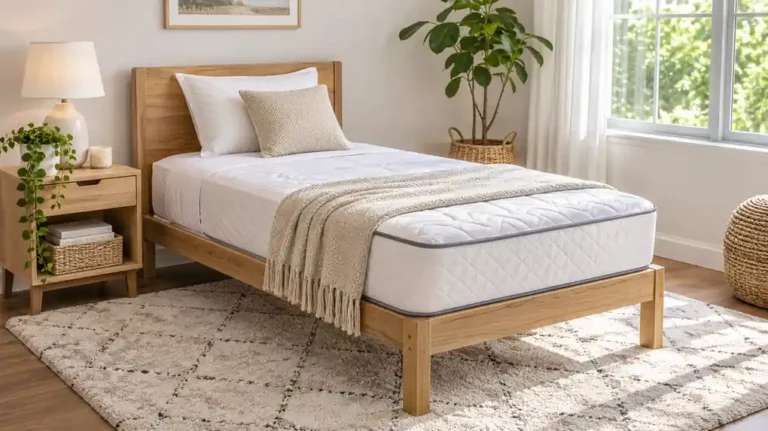
It looks like a fitted mattress pad with wires inside. It fits over the mattress with elastic corners or skirts, like a fitted sheet. A controller sets the temperature. Sizes: twin, full, queen and king, with dual-zone versions for queen and king. Blunique sells heated mattress pads in twin (39 by 75) and king (78 by 80) sizes, per Walmart listings.
Heated Pad vs Electric Blanket
| Feature | Heated mattress pad | Electric blanket |
|---|---|---|
| Position | Under you, below the sheet | Over you or under |
| Heat | From below | From above |
| Slipping | Stays put | Can shift |
| Use | Often for warming the bed | Same |
| Wash | Most are machine washable | Most are |
Pads usually lie flat and are generally more efficient for all-night warmth, per one summary. Whether they are safe all night depends on the product and the maker’s instructions.
Wattage and Energy Use
Sources conflict.
One article attributes a figure to the US Department of Energy: a typical heated mattress pad consumes around 50 to 100 watts of electricity, while an electric blanket typically uses 20 to 40 watts. A vendor-style comparison gives queen-size figures of 60 to 75 watts for pads and 75 to 100 watts for blankets.
These conflict, so check product labels. Electricity cost depends on use. I did not verify costs.
Safety and Certification
One source says the CPSC oversees both product types and that they must meet electrical safety, labeling and testing standards, and it lists UL 1023, UL 1024 or UL 1574 as electrical safety standards. The Electric Blanket Institute advises avoiding any unit without a UL or ETL mark. The Electrical Safety Foundation International says you should never use a heating pad or electric blanket while asleep, and that heating pads and electric blankets cause around 500 fires each year, per the summary I saw. I did not verify this at the source. Using both a pad and a blanket at once is discouraged, since it is more likely to cause overheating.
So: choose a certified product, check for recalls and warnings on CPSC.gov, follow the manual about sleeping use and consider using the pad to pre-warm the bed and turn it off or down before sleep. People with reduced sensation, medical devices or sleep conditions should ask a doctor. Do not use on infants or pets.
Memory Foam and Other Mattresses
The Electric Blanket Institute says there is no safety problem using one with a good memory foam mattress, unlike cheap egg-crate foams. Opinion is divided on whether mattress pads should go on memory foam. Check both the mattress and pad makers’ instructions. See the best memory foam mattress and best cooling mattress guides for heat considerations.
Dual Zone and Controls
Dual-zone queen and king models generally have a controller on each side of the bed. Look for: independent temperature controls; clear displays; auto shut-off timers (such as 10 hours); overheat protection; preheat settings; a detachable cord.
Fit and Size
Match your mattress size and depth. Deep-pocket skirts fit thick mattresses and toppers. See the fitted sheet guide for pocket depth. Check dimensions on the product. See the twin vs full and king vs queen guides for mattress sizes.
Washing and Care
Most heated pads are machine washable, but make sure your model is machine washable before throwing it in the laundry. General care: unplug and detach the controller; wash on a gentle cycle; dry on low heat or per the label; don’t dry clean or iron unless allowed; store loosely; inspect wires, cords and the controller for damage. Replace if damaged.
Using It Safely
Key points: read the manual; don’t fold or bunch it while on; don’t tuck the controller under the mattress; don’t use with a second heating product; keep pets and heavy objects off; don’t use if frayed, scorched or wet; unplug when not in use; use with a thin sheet and not a thick, heat-trapping layer.
Alternatives
Key points: a warm duvet and flannel sheets. See the bedding sets and white comforter guides; a hot water bottle; a heated throw while awake. See the comfort blanket guide; raising room temperature safely.
What are the main strengths and weaknesses?
On the plus side: warms the bed evenly; stays in place; dual controls for couples; washable. On the downside: safety conflicts about overnight use; recalls occur in this product category; wattage figures vary; needs an outlet near the bed.
How to Choose a Heated Mattress Pad
Check CPSC.gov for recalls and warnings. Choose a UL or ETL certified product. Read the maker’s guidance on overnight use. Choose the size and skirt depth. Choose dual controls if needed. Choose auto shut-off and overheat protection. Check machine-washability. Check cord and controller quality. Read independent reviews. Check the warranty.
What mistakes should you avoid?
A few common mistakes are worth avoiding: ignoring recalls; using a damaged pad; using a pad and blanket together; assuming overnight use is safe for every model; washing a non-washable pad; relying on unverified wattage claims.
Frequently Asked Questions
Is a heated mattress pad safe?
It can be if certified and used per the instructions. A safety organization quoted in the search says not to use these while asleep.
What certification should I look for?
A UL or ETL mark.
How many watts do they use?
Sources conflict, from about 50 to 100 watts for pads. Check the label.
Can I use one on memory foam?
One source says there is no problem with a good memory foam mattress. Check the makers’ instructions.
Can I wash it?
Most are machine washable. Check yours.
Pad or blanket?
Pads stay in place and warm from below. Blankets sit over you.
Conclusion
A heated mattress pad warms a cold bed, but safety comes first. Choose a certified model, check for recalls, follow the maker’s overnight guidance and never use damaged equipment.
Because wattage and safety claims conflict, rely on the label and manual. Then you can enjoy a warm bed on cold nights.
Related guides
 Mattress Pad Guide: Pad vs Topper vs Protector, Thickness, Layering Order and CareShopping for mattress layers can be confusing. Pads, toppers, protectors and covers are all sold near each…Read more →
 Folding Mattress: Tri-Fold Foam Thickness, Sizes, Density and Who It SuitsA folding mattress is a foam mattress that folds into thirds so you can store it in a closet or carry it.…Read more →
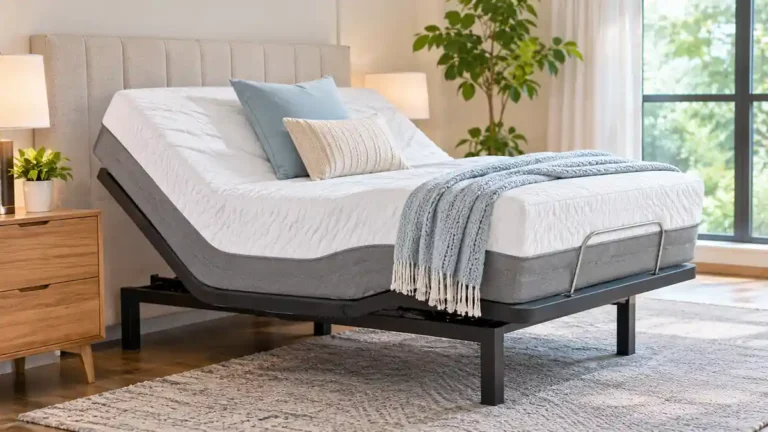 Adjustable Mattress Guide: Which Mattress Types Work on Adjustable Bases (Foam, Latex, Hybrid) and What to CheckQuick answer: most foam, latex and many hybrid mattresses work on an adjustable bed base. Casper rates memory…Read more →
 Full vs Queen Mattress: Size Difference, Couples, Room Size, Price and How to ChooseFull and queen mattresses are two of the most popular sizes in the country, and they look close on a size…Read more →